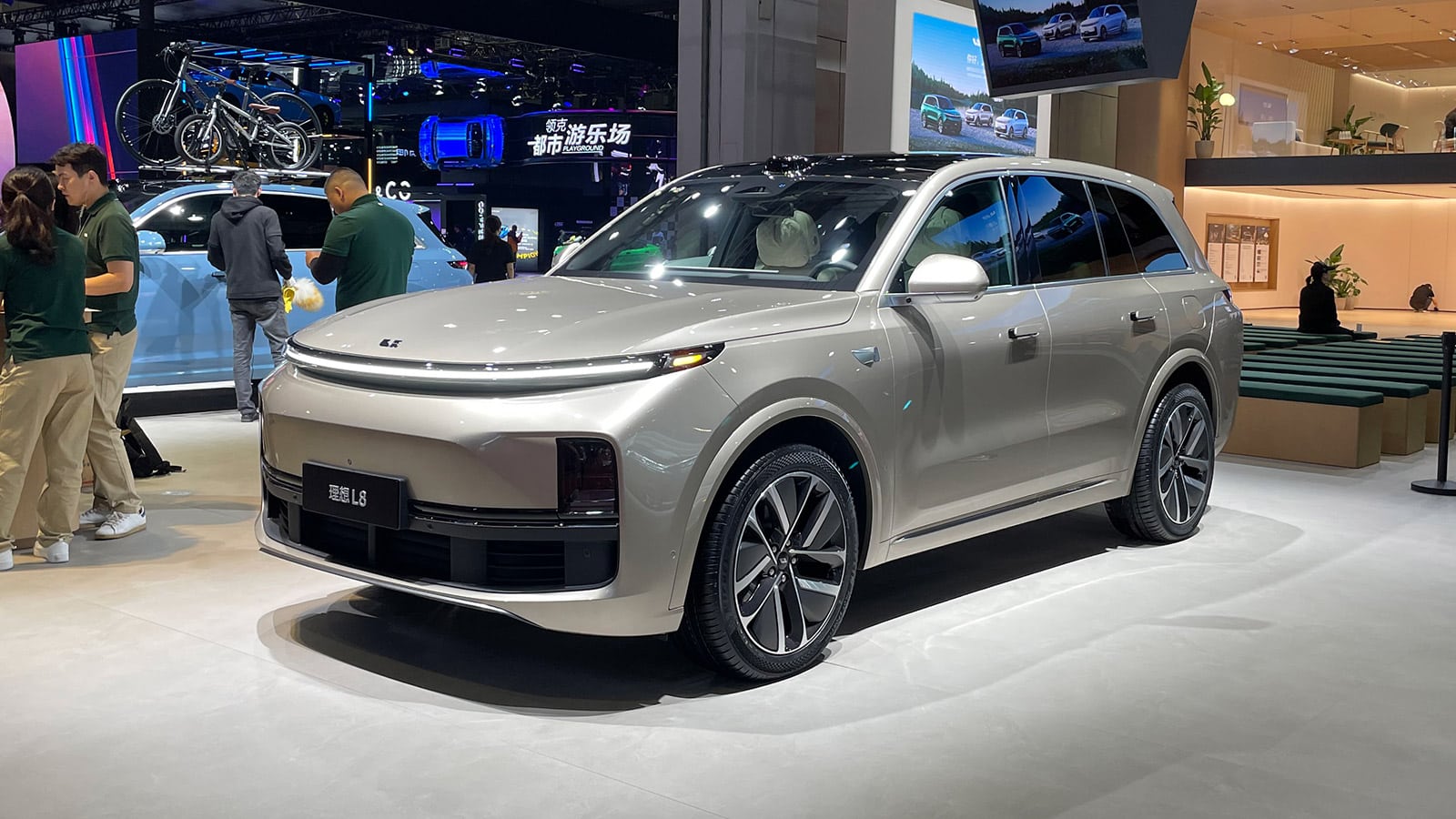

The automotive world is buzzing, not just with the hum of electric motors, but with the rapid advancements in artificial intelligence. In a move that highlights the dynamic talent flow within China’s tech scene, Lang Xianpeng, a key figure behind Li Auto’s smart driving technology, has reportedly ventured into a new startup focused on embodied AI. This isn’t just a career change; it’s a leap into one of the hottest sectors in technology right now.
The Embodied AI Gold Rush
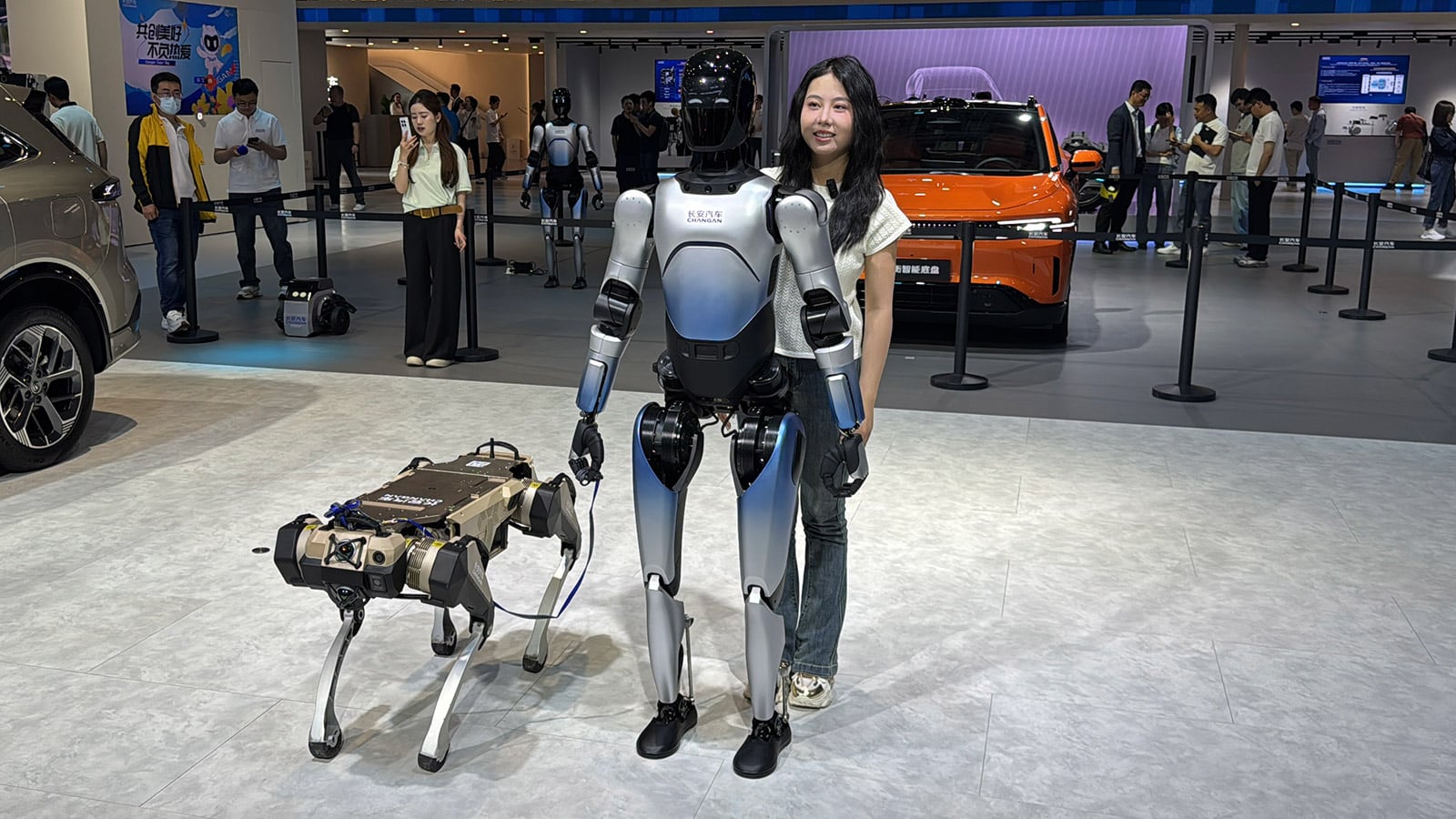
Embodied AI is all about giving physical machines, like robots, the intelligence to understand and interact with the real world. Think of robots that can learn tasks, adapt to new environments, and operate with a level of autonomy we’ve only dreamed of. Investors are pouring billions into this field, recognizing its potential to revolutionize everything from manufacturing to daily life. Lang Xianpeng, teaming up with a seasoned executive from Alibaba, is strategically positioning himself at the forefront of this exciting new frontier.
Talent Drain or Talent Shift?
Lang’s departure is the latest in a trend of top engineers and executives leaving established electric vehicle (EV) companies to pursue opportunities in robotics and AI. While some might see this as a ‘brain drain’ for the auto industry, it also speaks volumes about the enormous potential and perceived financial rewards in the burgeoning AI robotics sector. For individuals like Lang, who have led large teams and developed cutting-edge tech, founding their own ventures offers a chance to capture value that might be out of reach as employees, even at senior levels.
The landscape for AI startups in China is incredibly competitive, with funding rounds often exceeding 1 billion yuan ($145 million). While current demonstrations of AI capabilities might seem impressive, like a robot folding clothes, they are often described as ‘handcrafted’ models. The real test will be scaling these technologies for practical, commercial applications. Industry insiders believe that once robust data production methods are established, companies with a clear technological vision will rise to the top. This suggests that the window for new entrants is narrowing, and capital will soon concentrate on a select few promising ventures.
A Legacy at Li Auto
Lang Xianpeng wasn’t just any engineer; he was instrumental in shaping Li Auto’s advanced driver-assistance systems (ADAS). Joining in 2018, he rose through the ranks, leading crucial developments. He was a driving force behind Li Auto’s strategic shift towards end-to-end smart driving technology in 2024 and the adoption of Vision-Language-Action (VLA) models in 2025. His recent reassignment to head a new humanoid robot department, followed by his departure, signals a significant strategic pivot for Li Auto itself, emphasizing the growing importance of AI and robotics within the company’s future plans. This move mirrors broader industry trends, where companies like Li Auto are increasingly focusing on AI and robotics.
This shift in focus from automotive innovation to AI hardware is a fascinating development. It underscores the interconnectedness of these technologies and the immense opportunities that lie ahead for those who can bridge the gap between intelligent software and physical execution. We’ll be watching Lang Xianpeng’s new venture closely, eager to see how embodied AI transforms the world around us, one robot at a time.