
A New Era of Urban Riding Safety
Get ready for a seismic shift in how we think about two-wheeled safety. Chinese lidar innovator Hesai just dropped a bombshell announcement: a partnership with Niu Technologies to integrate advanced lidar sensors into electric scooters and motorcycles. This isn’t just a small step; it’s a giant leap for rider protection, bringing cutting-edge perception technology beyond the realm of passenger cars and into the bustling urban jungle.
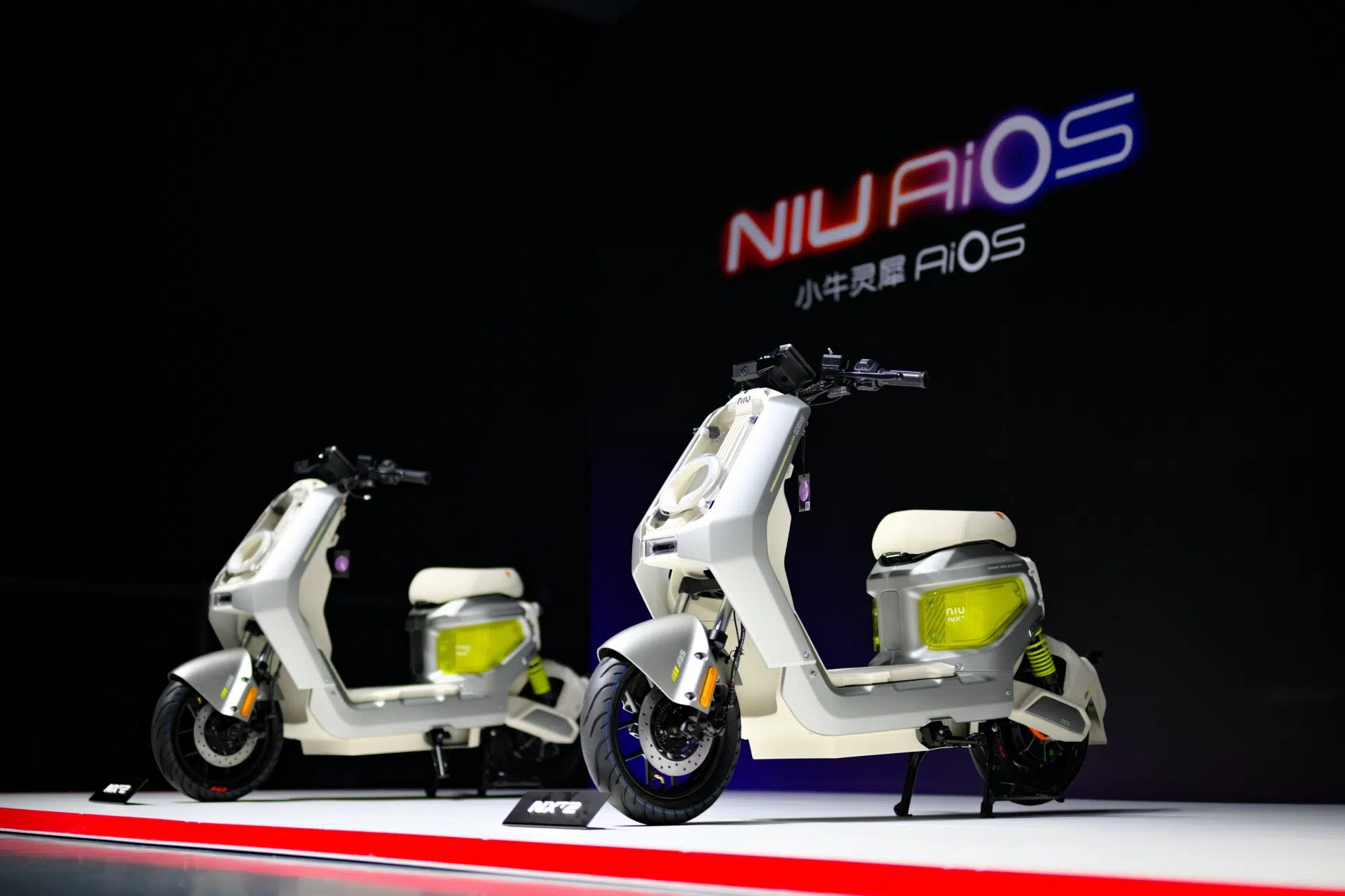
Hesai’s FTX fully solid-state blind-spot lidar is set to become the eyes for Niu’s electric steeds, promising to dramatically enhance safety in the unpredictable chaos of city riding. It’s a move that aligns perfectly with Niu’s vision, showcased at their 2026 new product launch event, where they also unveiled NIU AIOS, an AI operating system designed to make two-wheelers smarter and more aware.
Seeing the Unseen, Even in the Fog
What makes the FTX sensor so special? Imagine a lidar with a massive 180° by 140° field of view. That’s Hesai’s FTX, capable of spotting pedestrians, other vehicles, and even tricky road conditions in all sorts of weather. Hesai claims its resolution is more than double that of previous generations, while also managing to shave off a remarkable 66% of the weight. This is crucial for nimble electric bikes and scooters where every gram counts.
This compact sensor is specifically engineered for short-range perception and blind-spot monitoring. Think about navigating crowded streets, filtering through traffic, or dealing with those low-lying obstacles that can easily catch you out. The FTX works in tandem with D-Robotics’ Sunrise series intelligent computing chips, creating an omnidirectional perception system that offers riders an unprecedented level of environmental awareness.
Niu CEO Li Yan put it perfectly: urban traffic is getting more complex, and a single sensing solution just isn’t cutting it anymore. Hesai CEO Li Yifan echoed this sentiment, stating that this partnership is setting a new intelligence standard for the industry, paving the way for safer and smarter journeys on two wheels.
The Price is Right: Lidar for the Masses
The real game-changer here? Cost. For years, lidar technology was prohibitively expensive, often costing hundreds of thousands of yuan. But Hesai has achieved something remarkable through chip integration and mass production, bringing the price down to around $200 USD. A decade ago, comparable units would set you back over $43,000. This dramatic price reduction is precisely what’s unlocking the potential for lidar in more accessible products like electric scooters and motorcycles.
This isn’t an isolated trend. Hesai reports that lidar penetration in China’s passenger car market hit 19% by the end of 2025, showing a clear move towards broader adoption. The Niu partnership marks the first large-scale integration into the electric two-wheeler sector, a testament to how quickly advanced automotive tech is trickling down.
We’re seeing this tech filter into more affordable EVs across the board. BYD, for instance, is offering lidar as an option on its tiny $10,000 Seagull city car. Leapmotor also recently filed for its A05 compact EV with lidar included. It’s clear that Chinese manufacturers are leveraging their prowess in sensor technology and aggressive pricing strategies to make advanced safety features accessible to a wider audience.
China’s Tech Dominance on Display
Hesai is a powerhouse in China’s lidar market, already supplying its long-range sensors for autonomous driving programs with giants like Baidu, Pony.ai, WeRide, and Zoox. Their latest deal with Niu underscores a critical insight into the Chinese EV ecosystem: the relentless pace of innovation and the aggressive push to drive down costs through scale. Chinese battery suppliers and component manufacturers are often at the forefront, enabling these breakthroughs.
Niu Technologies itself is a major player in the electric two-wheeler space, known for its stylish and popular e-scooters and motorcycles. While their past attempt at building an electric car didn’t pan out, their focus on electrification and smart technology for two-wheelers remains strong. This lidar integration is a clear indicator of their commitment to pushing the boundaries of what’s possible in personal urban mobility.
This move by Hesai and Niu isn’t just about adding a sensor; it’s about redefining safety and intelligence for a massive global market. It’s a compelling example of how China’s rapidly evolving automotive industry is not only leading in electric vehicles but also in the sophisticated technologies that will underpin the future of transportation, from high-end EVs to the humble electric scooter.