
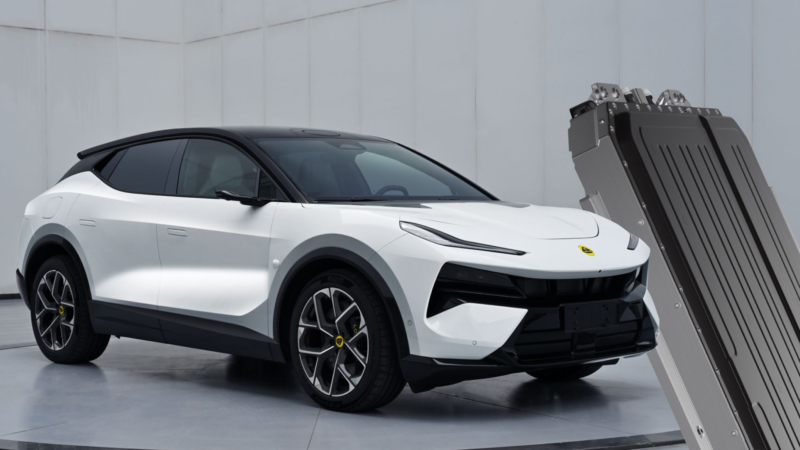
Lotus, the iconic British brand known for its lightweight sports cars, is making a surprising pivot. After going all in on pure electric vehicles, the company is now embracing plug in hybrids, and its first entry is a monster. The Lotus Eletre PHEV, curiously named “For Me” in China, is a high performance crossover packing a wild powertrain and some seriously advanced tech, all in a bid to win back momentum after a tough sales year.
It’s a strategic shift born from necessity. With deliveries sliding 40% in the first three quarters of 2025, Lotus is leaning on its parent company, the Geely Group, to build a vehicle that offers the best of both worlds, a car for drivers who want thrilling performance without the range anxiety.
A Powertrain That’s Pure Insanity
Let’s get straight to the numbers, because they are staggering. The Lotus For Me will likely borrow its powertrain from the Zeekr 9X Hyper, another beast from the Geely family. This setup combines a 2.0-liter turbocharged four cylinder engine with three electric motors to produce a jaw dropping 1,030 kW, or 1,381 horsepower. In a family-sized SUV, that’s enough to launch it from 0 to 100 km/h in under three seconds. It’s a level of performance that challenges thoroughbred supercars, all while being able to tow over 2,200 kg.
The system is incredibly flexible. The 275 hp gasoline engine can power the wheels directly for that classic sports car feel, or it can act as a generator on the move. Even while cruising at 120 km/h on the highway, the engine can recharge the battery from 30% to 80% in just 90 minutes.
Quick Specs & Metrics
| Metric | Value | Unit | Notes |
|---|---|---|---|
| 0–100 km/h (0–62 mph) | < 3 | s | Projected, based on shared powertrain |
| Peak power | 1,030 (1,381) | kW (hp) | Combined output from engine and three e-motors |
| Top Speed | 230 | km/h | Electronically limited |
| Electric Range (CLTC) | 345 – 355 | km | China-specific test cycle; real-world range may vary |
| Battery capacity | 70 | kWh | Ternary NMC chemistry; supplier: CATL-Geely JV |
| Max DC fast-charge rate | 6C | — | 20-80% in 8.5 minutes on 900V architecture |
| Fuel consumption (drained battery) | 5.98 – 6.10 | L/100 km | WLTC test conditions |
| Curb weight | 2,575 – 2,625 | kg | Weight varies by trim level |
More Than Just Muscle: The Battery Tech
Underneath the floor sits a 70 kWh ternary NMC battery pack from the CATL-Geely joint venture, the same one found in the highly sought after Zeekr 9X. It delivers up to 355 km of pure electric range under CLTC conditions, which is plenty for daily commutes and errands without ever touching a drop of fuel.
But the real magic is its charging speed. Thanks to a cutting edge 900V electrical system, the pack supports 6C charging. In simple terms, you can juice the battery from 20% to 80% in just over eight minutes. That’s barely enough time to order a coffee. This kind of speed makes EV ownership practical and convenient, eliminating long waits at the charger.
Brains and Beauty
The Eletre PHEV doesn’t mess with a winning formula, keeping the same aggressive and aerodynamic design as its all electric sibling. Features like an active rear spoiler that generates 90 kg of downforce and a sleek drag coefficient of 0.26 prove that performance is still at its core. It also comes equipped with a slick, retractable LiDAR system, a piece of tech that’s quickly becoming essential in China’s premium EV space for advanced driver aids.
Lotus’s Big Bet
The Eletre “For Me” is more than just a new model. It’s a calculated gamble. Lotus is betting that a high performance PHEV is the right tool to navigate a market where flexibility is king and EV giants like BYD have found success by offering consumers a wide array of powertrain choices.
The SUV will make its debut in China in January 2026 before going on sale in the first quarter, with a European launch planned for the first half of the year. According to Lotus CEO Feng Qifeng, this is just the beginning of a brand wide transformation that will see all its models offer a PHEV option by 2028. It’s a bold fusion of British performance heritage and Chinese technological firepower, and it might just be the move Lotus needs.