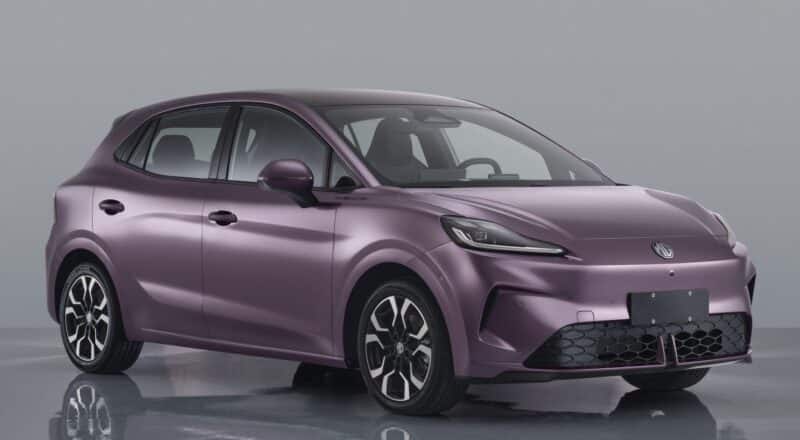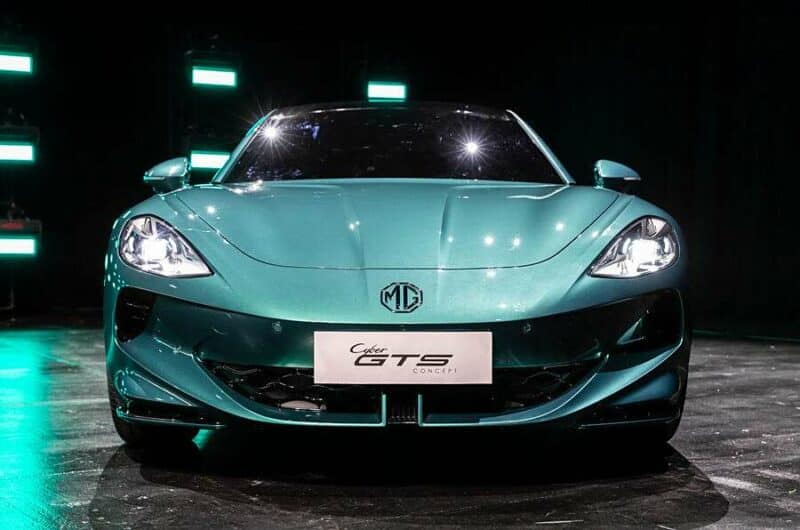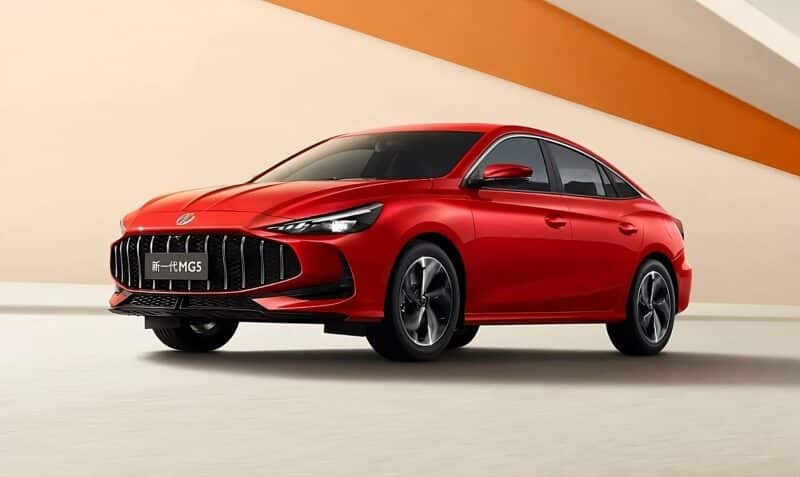

MG is gearing up for a significant 2025 with the introduction of two compelling new models: a compact pure electric sedan and a large five-seater plug-in hybrid SUV. Zhou Yan, general manager of SAIC’s MG brand, confirmed these plans, emphasizing a shift towards “less British style and more Chinese style” with an ambitious vision to see Chinese cars conquer the global market.
While details remain under wraps regarding global availability, the focus is clearly on strengthening MG’s presence with these new offerings. One of these upcoming models, possibly either the sleek new sedan or the spacious SUV, will feature cutting-edge semi-solid state batteries, hinting at impressive range and performance.
MG’s Evolving Lineup and Market Strategy
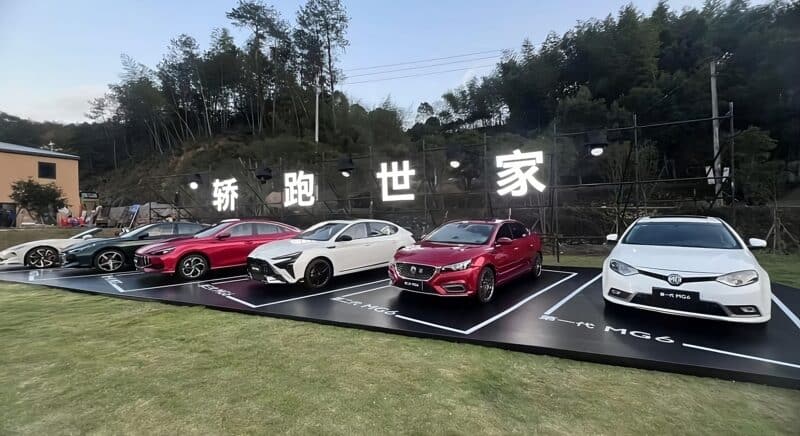
MG’s current portfolio is already diverse, boasting models from the exhilarating EXE181 electric hypercar and the Cyberster electric roadster, to a range of sedans like the MG5 and MG7, and popular SUVs including the MG One and MG ZS. Looking further ahead, there’s buzz about a seven-seater SUV, potentially named the “MG QS,” for the Australian market in 2025. This could be a sibling to the Roewe RX9, and whispers suggest a potent 1.5T plug-in hybrid system.
MG, a brand with deep roots in British automotive history stretching back to 1924, found a new home with China’s Nanjing Automobile Group in 2005, eventually becoming a part of SAIC in 2007. This heritage, combined with Chinese innovation, positions MG uniquely in the global landscape.
Navigating the Shifting Automotive Tides
Globally, MG’s sales have been on an impressive upward trajectory, consistently increasing from 298,000 units in 2019 to a remarkable 840,000 in 2023. For five consecutive years, MG has led China’s single-brand automobile exports, contributing a substantial 70% to SAIC’s overseas sales. This export dominance showcases the brand’s global appeal and competitiveness.
However, the domestic market tells a different story. In China, MG has seen a decline in sales, dropping from 159,000 units in 2019 to 100,000 in 2023. The domestic contribution to global sales plummeted significantly from 53.3% in 2019 to a mere 11.9% in 2023. This mirrors a broader trend for SAIC, which saw overall sales dip from 6.238 million vehicles in 2019 to 5.021 million in 2023, a 28% fall from its 2018 peak.
The fierce competition in China’s rapidly evolving new energy vehicle (NEV) segment is undeniable, with both joint ventures and domestic brands vying for market share. SAIC is certainly not sitting still. Their “Three-Year Action Plan for the Development of NEVs” aims for a staggering 3.5 million NEV sales by 2025. It’s clear that MG’s strategic electrification transformation, highlighted by these upcoming models, is a crucial step to revitalize its sales and strengthen its position in both domestic and international markets. The integration of advanced battery technology, such as the promised semi-solid state batteries, could be a game-changer.
What to Expect on the Road Ahead
The move towards more “Chinese style” in design suggests a focus on local preferences and technological advancements that resonate with the fastest-growing EV market in the world. As MG pushes forward with models equipped with innovative battery technology and fresh designs, it will be exciting to watch how these new vehicles perform against rivals. The new compact EV sedan will likely compete in a fiercely contested segment, while the large PHEV SUV could carve out a niche for families seeking both efficiency and space. The global automotive community will surely be watching to see if MG’s bold strategy for 2025 truly allows their “Chinese cars to run around the world.”