
Nio is sending its charming Firefly EV on a world tour. The Chinese automaker has confirmed that the right-hand drive (RHD) version of its compact electric car will land in the UK and Thailand in 2026. This move signals a broader global strategy, pushing beyond China and Europe to capture new audiences.
The Firefly first hit the Chinese market in April 2025 with an aggressive price tag. It’s a strategy that’s worked well at home, with Nio delivering over 26,000 units in just a few months. But now, with RHD production officially underway, Nio is setting its sights on markets like Australia, New Zealand, and Southeast Asia.
| Metric | Value | Unit | Notes |
|---|---|---|---|
| 0–100 km/h (0–62 mph) | 8.2 | s | Standard on all models |
| Peak power | 105 | kW | Equivalent to 141 hp |
| Range (WLTP) | 330 | km | Real-world range may vary |
| Battery capacity (usable) | 42.1 | kWh | Single battery option available |
| Dimensions (L/W/H) | 4003/1781/1557 | mm | Wheelbase: 2,615 mm |
| Starting price (China) | 119,800 | CNY | Approx. 16,850 USD, before incentives or BaaS |
A Global Push Beyond Europe
Nio isn’t just dipping its toes in international waters, it’s making a calculated dive. Firefly CEO Daniel Jin told Reuters the company is prioritizing countries without major tariff barriers. This makes perfect sense when you look at the numbers. The Nio’s Firefly EV faces a steep 31% import duty in the EU, which has bloated its price to nearly double what it costs in China.
The brand already launched in Norway, the Netherlands, and Belgium, but the high price has made for a tough sell. By targeting the UK, Thailand, and Australia next, Nio is hoping to find a smoother path to growth. The first RHD models have already been produced and are headed for Singapore.
The Price and Trust Challenge
In China, the Firefly EV’s aggressive pricing, starting around 16,850 USD, is a huge draw. Nio even offers a Battery-as-a-Service (BaaS) plan that drops the initial cost by 30%. In Europe, however, it’s a different story. The car starts at 27,500 USD in Norway and a hefty 34,950 USD in the Netherlands.
This price hike puts it in a tough spot. As its initial sales in Norway show, with only 19 registrations in 2025, building a brand from scratch is a slow grind. Daniel Jin admits that winning consumer trust will take time, especially when some distributors see Firefly as just another face in the crowd of Chinese EVs. In Singapore, for instance, it will be positioned as a “boutique small car,” priced even higher than the popular BYD Dolphin, a key competitor in the China’s EV export race.
Getting to Know the Firefly
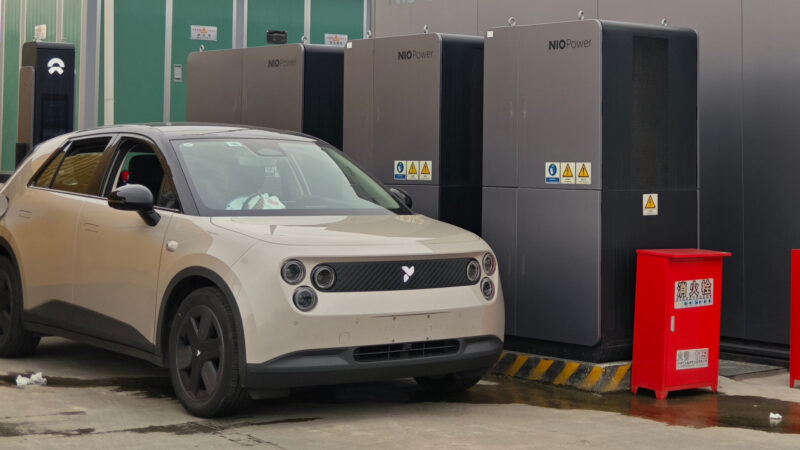
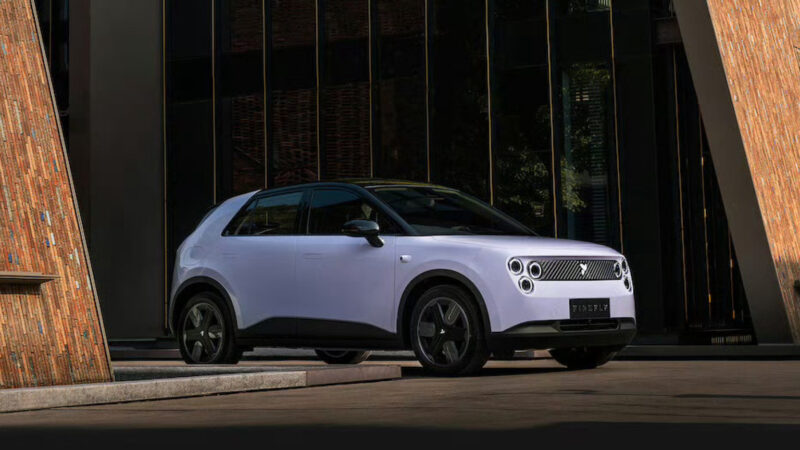
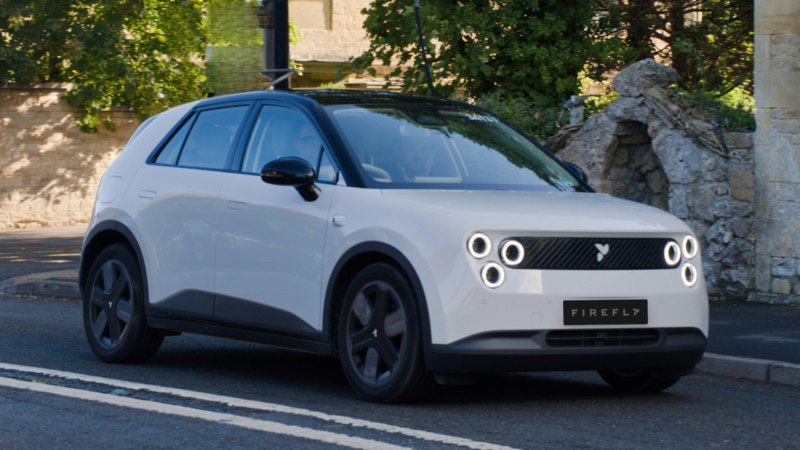
So what are buyers getting? The Firefly is a stylish small hatchback with friendly, circular headlights and a sleek, modern look. It’s a bit longer than a Mini Cooper, giving it a solid presence on the road. Inside, the cabin is surprisingly tech-forward for a car in this class, featuring a large 13.2-inch floating center screen and a clean 6-inch digital instrument panel.
Under the skin, it’s built for zippy, efficient city driving. The 105 kW motor (141 hp) delivers an 8.2-second sprint to 100 km/h, which is more than enough to feel lively in traffic. Its 42.1 kWh battery provides up to 330 km of WLTP range, a practical figure for daily use. While it may not have headline-grabbing power, the Firefly has proven its credentials in other areas, especially since Nio’s Firefly just proved small EVs can be super-safe in crash tests. It’s a well-rounded package, but its success in these new markets will ultimately depend on whether Nio can convince buyers that it’s worth the price.