
The Charging Revolution and the Case Against Oversized EREV Batteries
Shen Fei, Senior Vice President of Nio and CEO of its Onvo brand, recently stirred the pot in the EV world, stating that large capacity batteries in extended-range electric vehicles (EREVs) are wasteful, particularly given the rapid growth of charging infrastructure in China. He argues these massive battery packs, along with their range extender units, not only eat into valuable cabin space but also tack on an unnecessary 15,000 yuan (about $2,100 USD) to the price tag, a burden for both carmakers and consumers.
Onvo’s Ambitious Battery Swap Expansion
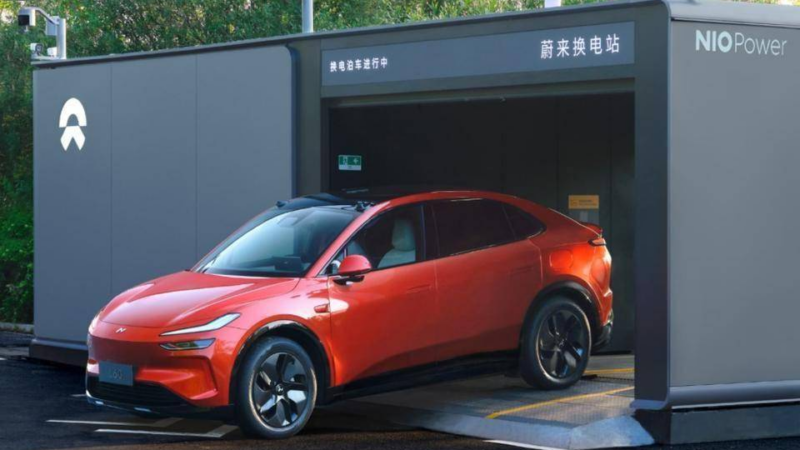
Onvo clearly puts its money where its mouth is. The company is set to aggressively expand its battery swap network, aiming to add over 8,000 new battery packs to its nationwide system by mid-January 2026. This move will more than double their current inventory of roughly 7,000 packs across 2,300 swap stations. It’s a bold play, especially as Nio pushes to break even by Q4.
Shen laid out a compelling financial argument for this massive investment. The strategy hinges on capitalizing on peak-valley electricity price differences. “In regions like Zhejiang, each battery in our swap stations can earn approximately 1.2 yuan (0.17 USD) per kilowatt-hour in price differentials,” Shen explained. He further detailed that with an average usable capacity of 50 kWh per battery, this could translate to a daily profit of 60 yuan (8.4 USD) or an annual profit of around 20,000 yuan (2,800 USD) per battery. Nationally, the average profit hovers between 12,000 to 13,000 yuan (1,680 to 1,820 USD), making the investment remarkably profitable over a battery’s lifespan.
Consumer Behavior Speaks Volumes
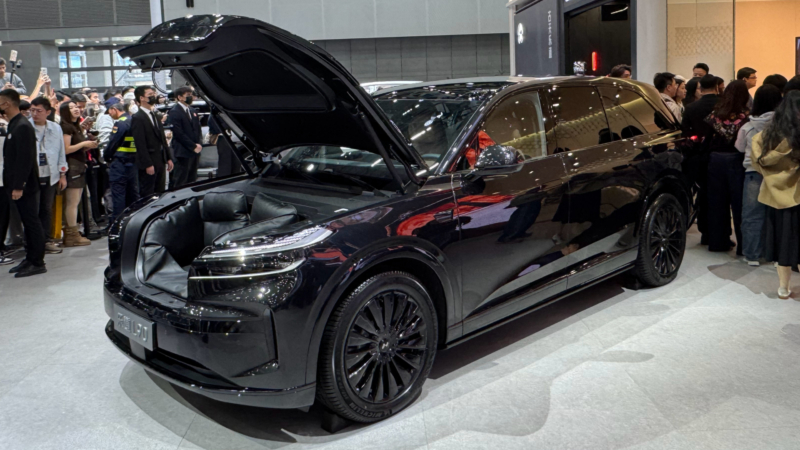
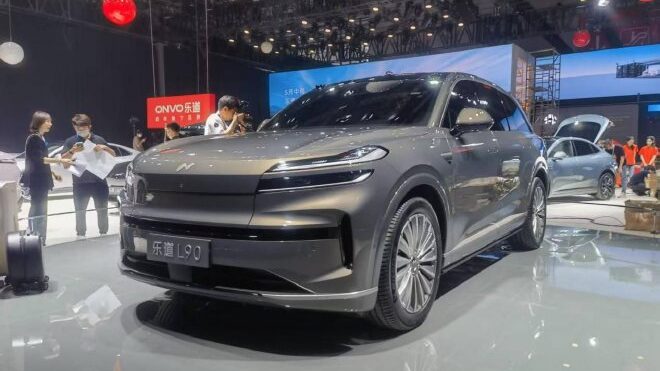
Perhaps the most surprising revelation is that about 40% of Onvo L90 owners, despite their vehicle coming standard with an 85 kWh battery, willingly opt to downgrade to 60 kWh batteries through Nio’s Battery-as-a-Service (BaaS) program. This choice saves customers 3,600 yuan (504 USD) annually in rental fees and highlights a crucial shift: increasing confidence in the charging infrastructure means less range anxiety for drivers. Many are realizing that bigger isn’t always better or necessary.
Innovation Beyond Incremental Changes
This consumer trend stands in stark contrast to the broader industry push towards ever-larger batteries in EREVs. Shen didn’t mince words, calling this approach wasteful in an era where charging solutions are becoming increasingly sophisticated and accessible. “Adding larger batteries and fuel tanks is merely incremental innovation,” Shen stated. “Battery swapping represents systemic innovation that requires comprehensive solutions beyond single technological approaches.”
With roughly 120,000 Onvo vehicles on the road and 2,300 swap stations, the 60:1 vehicle-to-station ratio already surpasses industry norms. Shen believes an ideal setup would involve each station maintaining between 4 to 7 battery packs, ensuring adequate service for varying range needs.
The Editor’s Take: The Future is Swappable
Nio’s battery swap stations often proudly display the slogan: “Hybrids culminate in pure electric vehicles, and pure electric vehicles culminate in battery swapping.” It is a philosophy that resonates deeply in China’s dynamic EV landscape. From a user experience perspective, range extenders, with their ancillary power delivery and noise, simply cannot match the seamlessness of pure electric drive. Moreover, with electricity prices in China significantly lower than gasoline, many hybrid and EREV owners are hesitant to rely on their internal combustion engines, which often leads to frequent charging cycles that diminish the overall user experience.
Automakers have responded to this dilemma by stuffing increasingly larger batteries into hybrid vehicles. Case in point, the upcoming Leapmotor D19 range-extended model is rumored to feature an 80 kWh battery, a capacity that rivals or even exceeds many pure electric vehicles. Yet, as exemplified by the Onvo L90, where a significant portion of owners opt for smaller battery packs, the market is clearly signaling a preference for efficiency and convenience over raw, often underutilized, capacity. This tells us the future is not just electric, but smart, efficient, and potentially swappable.