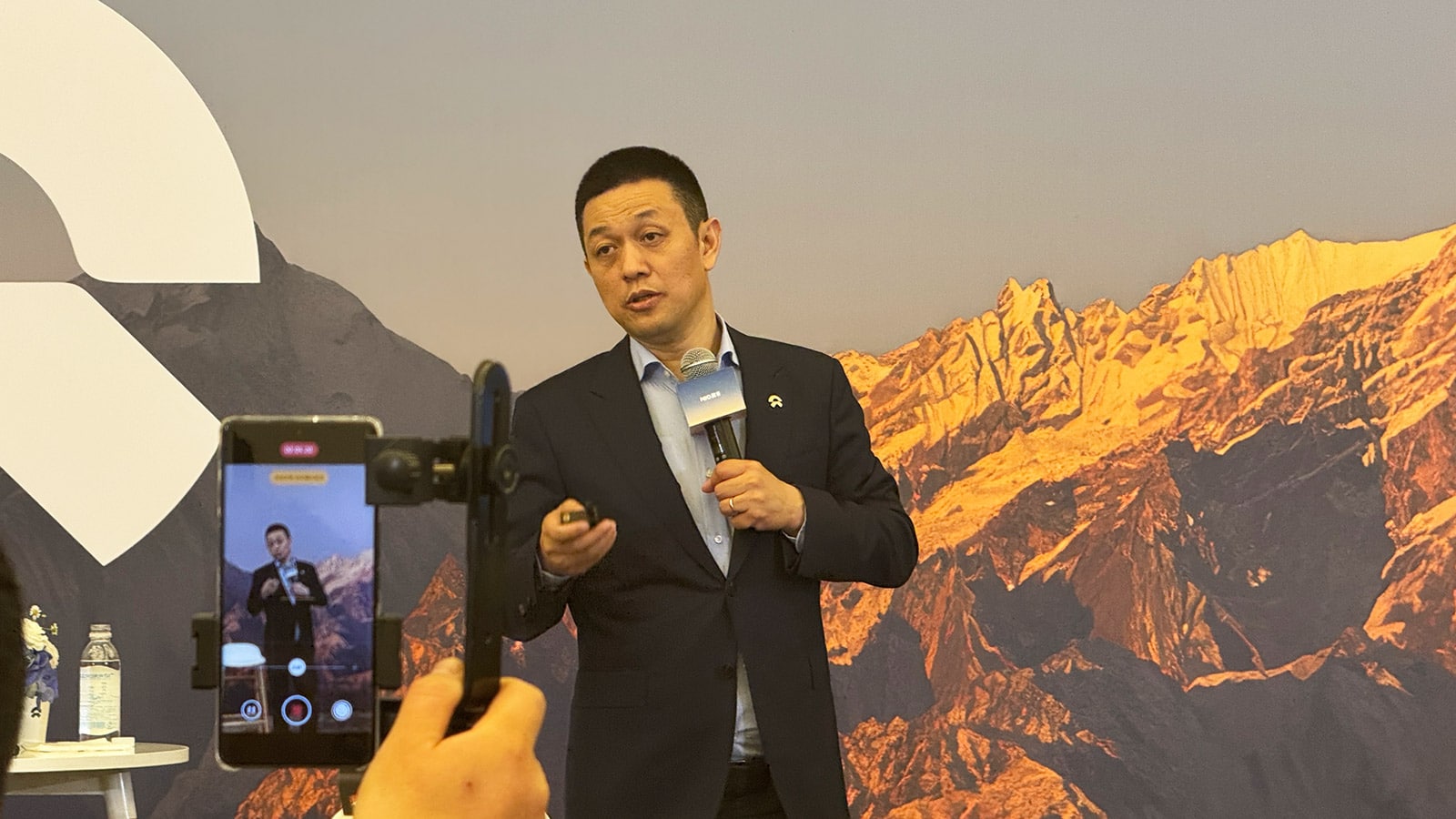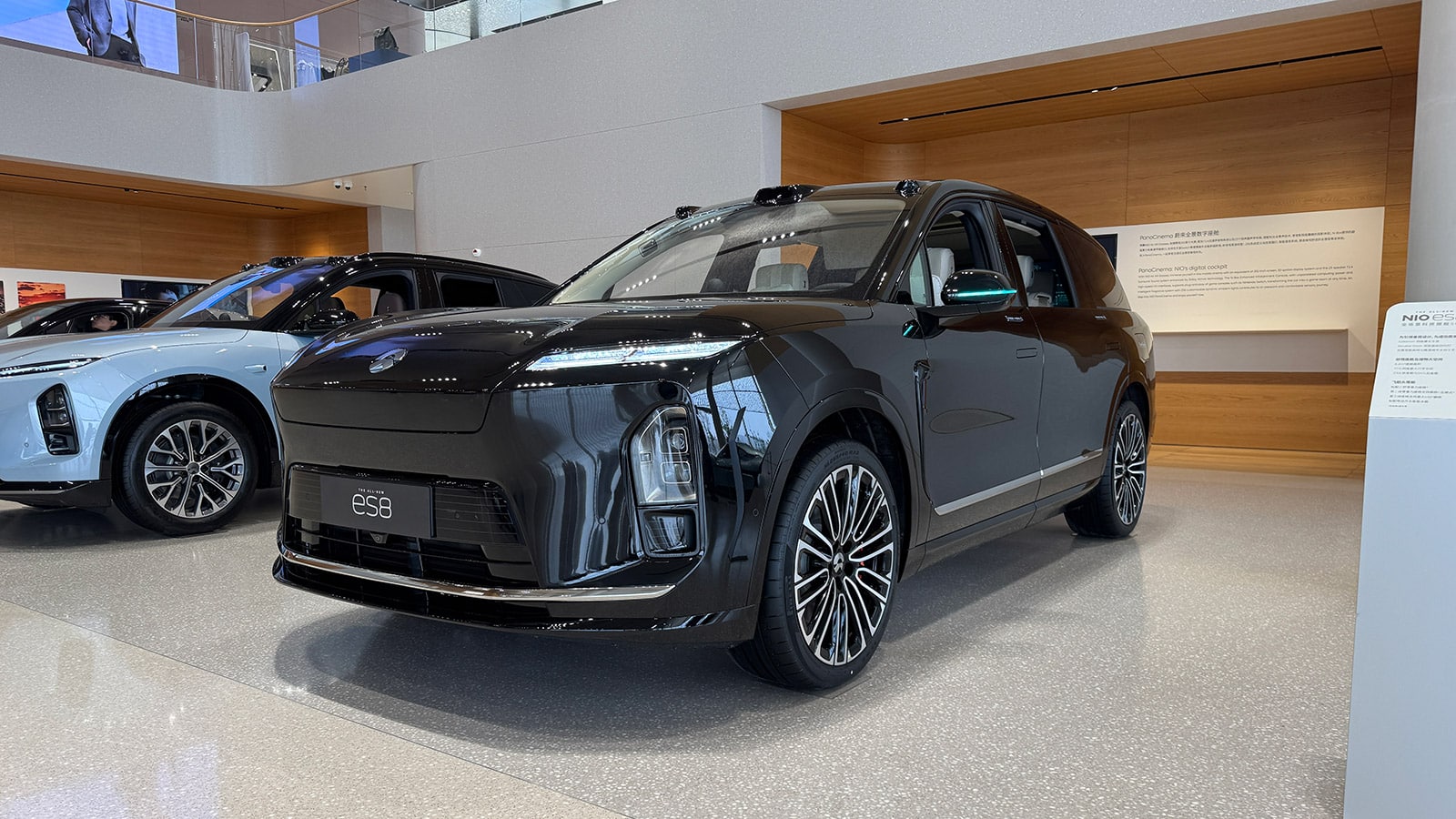

Just one day after launching the new third-generation ES8, Nio’s founder and CEO William Li seemed genuinely pleased. In a quick media briefing before catching a flight, he confirmed the company’s new flagship SUV is already a hit.
“The order volume has exceeded our expectations,” Li shared, while holding back on specific numbers. He wisely pointed out that many automakers now use pre-order figures as a marketing tool, leading to “order inflation” that doesn’t always reflect real demand and can complicate production planning.
A Crowded Market and Ambitious Targets
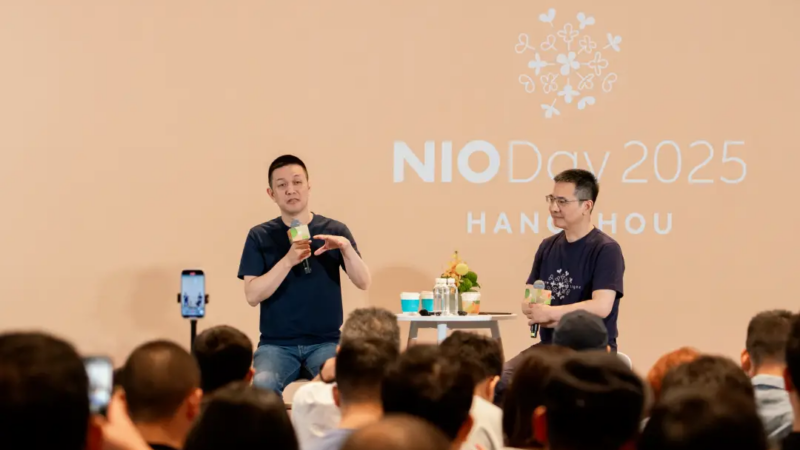
The new ES8 made its official debut on September 20th at Nio Day 2025 in Hangzhou, an event the company moved up from its usual year-end slot. Deliveries started the very next day, signaling Nio’s confidence. It enters a fiercely competitive China’s auto market, where over 30 new or updated models were launched in September alone as brands rush to secure their positions.
The pricing is strategic. Starting at 406,800 yuan ($57,100), or 298,800 yuan ($42,000) with a battery rental plan, the final price is actually 10,000 yuan ($1,390) lower than its pre-sale sticker.
Li has set some ambitious goals. He aims to scale production capacity to 40,000 units by the end of the year and hopes to cross the 15,000 monthly delivery mark by December. To keep buyers happy, Nio promises to cover any purchase tax changes for customers who order this year but take delivery in the next, a move that shows long-term commitment. This aggressive push follows recent successes where the company has seen strong weekly sales.
Pricing Full Circle
According to Li, the new ES8 is a milestone, marking the “first new energy intelligent vehicle in China to undergo three iterations.” He reflected on its pricing history, which has come full circle. The first generation started at 448,000 yuan ($62,300), effectively dropping below 400,000 yuan after subsidies. The second generation climbed past 500,000 yuan ($69,700), and now the third generation has settled back at a more competitive 406,800 yuan ($57,100).
“The pricing of the all-new ES8 has solidified Nio’s brand positioning,” Li explained. This move helps create a clearer distinction between the three Nio brands. Nio will remain the premium marque, while the new mainstream Onvo and affordable Firefly brands target different segments. Interestingly, even with the lower price, Li says the new ES8 is more profitable thanks to better technology and economies of scale.
The Future is Converging
Looking ahead, Li believes the form of intelligent electric vehicles is starting to stabilize. He drew a compelling parallel to smartphones. “It’s like the iPhone 4, the difference between it and current models is just evolution, not radical change anymore,” he remarked.
While the core recipe for smart EVs is becoming clearer, he feels the industry hasn’t quite reached its transformative moment. For intelligent driving, he’s watching two key metrics, the accident reduction ratio and how often the feature is used in city driving. Li estimates it will take another year or two for intelligent driving to hit a 60 to 70 percent usage rate, which he sees as the turning point. As for what the ultimate automotive company of the future looks like? He suggests we might need another decade to see that picture fully emerge.