
Quick Specs & Metrics
Here’s what makes the Nissan NX8 stand out:
- Powertrains: BEV (73 kWh, 81 kWh) and EREV (20.3 kWh, 21.1 kWh, 37.4 kWh)
- Power Outputs: Up to 335 hp (BEV), 261 hp (EREV)
- Range: 565–650 km (BEV), 102–185 km (EREV)
- Dimensions: 4,870 mm long, 2,917 mm wheelbase
- Tech: LiDAR-assisted NOA, dual-screen cockpit, 2.4-meter LED light strip
A New Chapter for Nissan’s Electric Ambitions
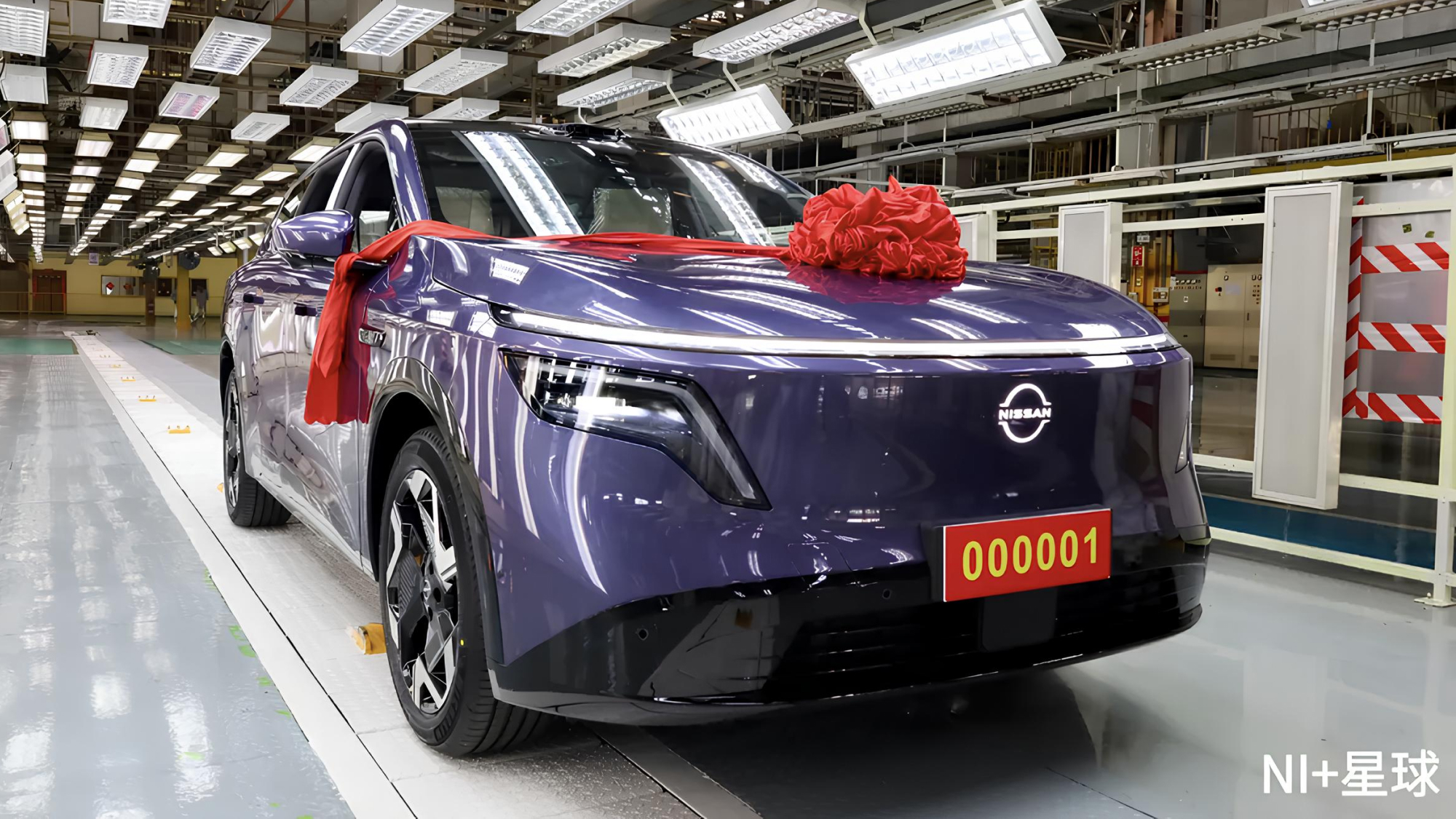
The first purple-pressed Nissan NX8 rolled off Dongfeng-Nissan’s Guangzhou production line on January 28, marking a pivotal moment for the brand in China. This isn’t just another EV. It’s Nissan’s first China-developed electric SUV, built to compete in the world’s most aggressive EV market. With a license plate boldly stamped “000001,” Nissan’s message is clear: they’re aiming for a million sales, domestically and beyond.
Design That Commands Attention
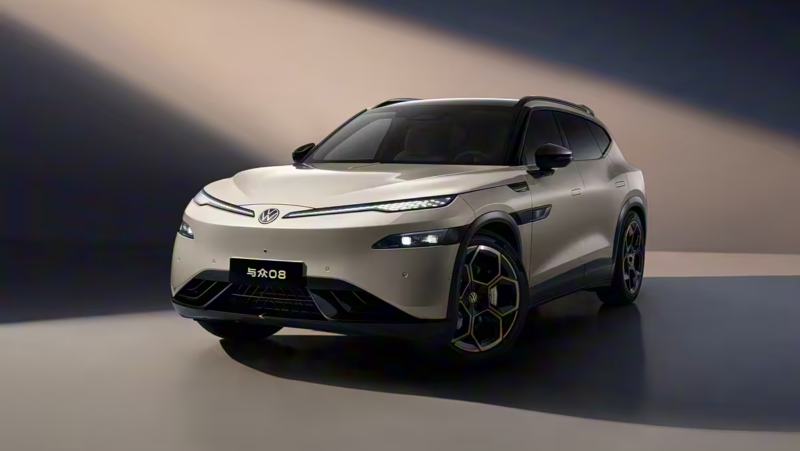
The NX8 isn’t shy. Its V-motion grille flows into a futuristic 2.4-meter LED light strip, while the 2,917 mm wheelbase promises cabin space rivaling the Volkswagen ID.Unyx 08. Inside, dual screens dominate a minimalist dashboard, flanked by a stalk shifter and two wireless chargers. The LiDAR sensor perched on the roof hints at advanced highway and urban NOA capabilities, putting it in the same conversation as BYD’s God’s Eye 5.0 system.
Powertrains: Flexibility Meets Performance
Nissan offers two paths to electrification here. The EREV variant pairs a 1.5L turbo engine (146 hp) with three battery sizes, delivering 102–185 km of electric-only range—ideal for city commuters who occasionally road-trip. The BEV version goes all-in with 288 hp or 335 hp motors, backed by 73 kWh or 81 kWh batteries. At 650 km CLTC, its range competes squarely with the XPeng X9, though real-world efficiency will depend on Nissan’s thermal management tech.
Why This Matters for China (and the World)
Dongfeng-Nissan’s Guangzhou plant can churn out 600,000 vehicles annually, and the NX8 is a strategic bet. China’s EV buyers demand cutting-edge tech at competitive prices, and Nissan’s local R&D push—shared with the N7 sedan platform—shows they’re adapting fast. By 2026, exports to Southeast Asia and the Middle East will follow, leveraging China’s cost-efficient supply chain. Notably, Nissan’s EREV approach mirrors Leapmotor’s D19, targeting range-anxious drivers not ready for full BEVs.
Ownership Prospects
Expect competitive pricing—likely under ¥250,000 ($34,500) for the BEV—to undercut German rivals. The EREV’s smaller battery should mean lower upfront costs, though charging infrastructure is expanding rapidly in China. With Nissan’s reliability track record and Dongfeng’s local service network, the NX8 could be a savvy choice for families eyeing tech-forward, practical EVs. One to watch when orders open in March.