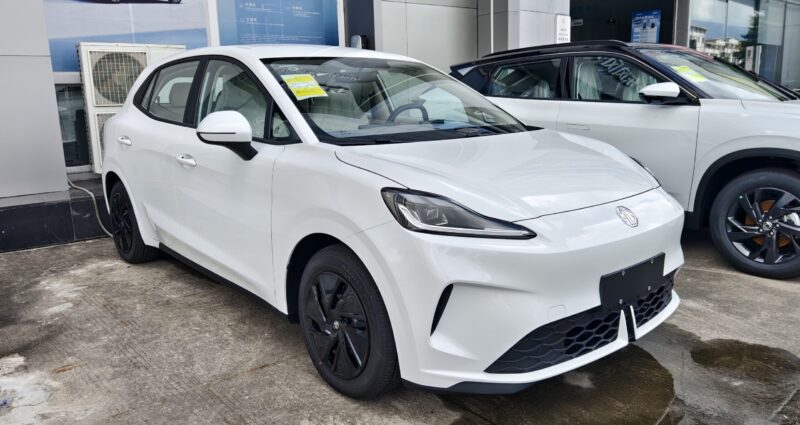

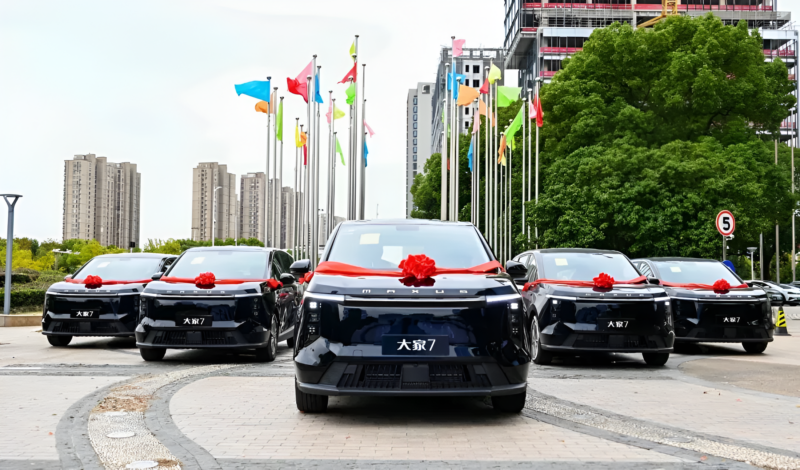
The SAIC Maxus Mifa 7 electric MPV just rolled into Shanghai’s ride-hailing scene with a hundred units, making a serious statement. It is the first large-scale deployment of a battery-swap MPV in China, boasting a CLTC-rated range of 527 kilometers and rapid 90-second battery swaps. This means less downtime and more earnings for professional drivers.
Built for the Grind: Maximizing Efficiency and Comfort
SAIC Maxus designed the Mifa 7 with commercial use in mind. It builds on their latest generation of seven-seat electric MPVs, but with tweaks that cater specifically to the demands of ride-hailing. The quick battery-swap system is a game-changer, giving drivers over two additional hours of operational time daily compared to traditional charging. Think about the impact on income potential, that’s huge for those behind the wheel.
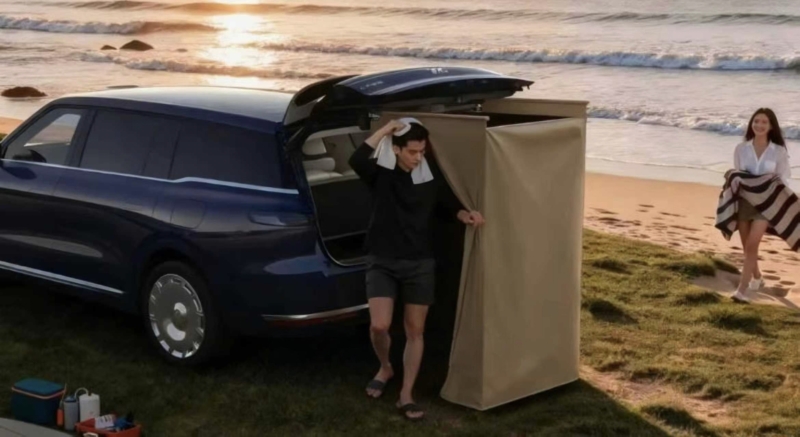
This MPV isn’t just about the innovative battery tech, though. It rides on a dedicated suspension system, has a generous 2,975-millimeter wheelbase, and a high-efficiency body structure that maximizes interior space. You also get a flexible three-row, seven-passenger layout, a 760-liter luggage compartment that can swallow plenty of bags, 32 storage spots, and seven USB charging ports. Plus, it features a large sliding side door and an advanced driver-assistance system that is perfect for navigating busy city streets.
Safety and Value: A Winning Combination
Safety is a big deal, and the Mifa 7 doesn’t cut corners. It has earned a five-star Euro NCAP safety certification a nice nod to leading European safety standards. The seven-seat configuration is a smart move too, making it ideal for moving small groups, which could reduce the need for multiple vehicles and cut down on per-passenger travel costs.
At around 180,000 yuan (about 25,300 USD), the Mifa 7 positions itself squarely in the mid-range of China’s electric MPV segment. Earlier in 2025, SAIC Maxus also dropped a plug-in hybrid version, which came with a 1.5-liter turbocharged engine, a 176-kilowatt electric motor, and two battery options that offered either 140 or 230 kilometers of electric-only range. But this new battery-swap model is all-electric and specifically targets ride-hailing operations rather than private consumers.
The adoption of battery swap technology in this segment highlights a growing trend in China’s EV market, aiming to address range anxiety and charging times for commercial fleets. Other brands, like Nio with its Firefly brand, are also exploring innovative charging and battery solutions to stay competitive. In fact, the broader EV charging infrastructure in China continues to expand rapidly, supporting various models and technologies. It will be interesting to see how this dedicated approach influences the efficiency and profitability of ride-hailing services in the long run.