
You can feel the electricity in the air, and I’m not just talking about the cars. As September 2025 wrapped up, China’s new energy vehicle startups delivered numbers that tell a story of intense competition, rapid innovation, and a market that’s maturing right before our eyes. The sales race has become a full-blown sprint, and the results are nothing short of spectacular.
Picture this: three companies, three different approaches to electrification, all vying for the hearts and wallets of Chinese consumers. What’s fascinating isn’t just who sold what, but what these numbers reveal about where the market’s heading and what it means for you, the potential EV owner.
The Unstoppable Leapmotor Momentum
Let’s start with the headline grabber. Leapmotor didn’t just break records in September, they shattered them with 66,657 deliveries. That’s not just crossing the 60,000 mark for the first time, it’s setting a new benchmark for what a Chinese startup can achieve in a single month. Think about that number for a second. It represents families choosing electric mobility, commuters embracing cleaner transportation, and a company hitting its stride at exactly the right moment.
What’s driving this success? From where I sit in the industry, it’s a combination of smart pricing, solid technology, and timing. Leapmotor’s vehicles hit that sweet spot where affordability meets decent range and features that matter to real people. Their recent achievement of rolling their one millionth vehicle off the assembly line tells you this isn’t a flash in the pan. They went from half a million to a million units in just 343 days, which in automotive terms is moving at light speed.
For consumers, this scale means something tangible. More cars on the road means better service networks, more charging infrastructure support, and a stronger resale value down the line. When you see a company achieving this kind of Leapmotor’s dominance, it’s not just about bragging rights, it’s about stability in an often volatile market.
Xpeng’s Calculated Comeback
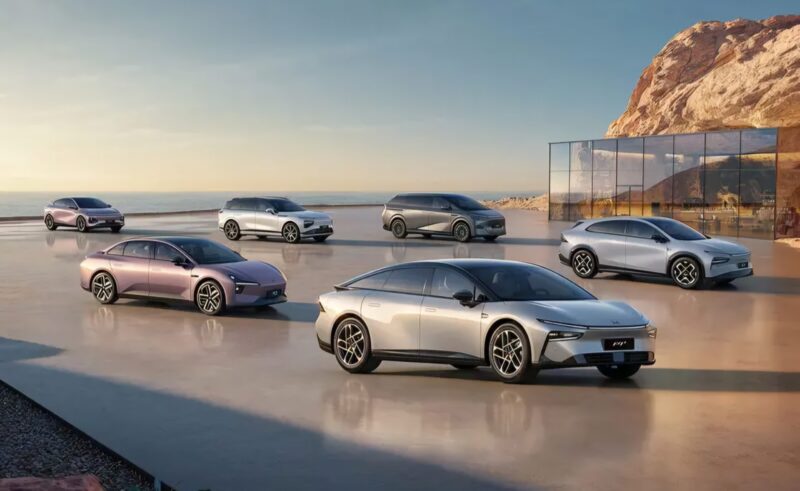
In second place, Xpeng delivered 41,581 vehicles, which represents a staggering 95% year-over-year increase. That’s not just growth, that’s explosive expansion. What’s particularly interesting is their 10% month-over-month improvement, showing they’re building momentum rather than hitting a plateau.
Dig into the numbers and you’ll find some gems. The Xpeng Mona M03 sold over 10,000 units in September alone, bringing its cumulative sales past 180,000. That’s a model that’s found its audience, and it’s speaking volumes about what consumers want: practical range, smart features, and a price that doesn’t require a second mortgage.
From a technical perspective, Xpeng’s been quietly impressive. Their production efficiency improvements mean they’re now hitting 40 units per hour on the new P7 line. That might sound like factory talk, but it translates to better quality control, more consistent build quality, and ultimately, a better car for you. Their European expansion into Switzerland, Austria, Hungary, Slovenia, and Croatia shows they’re thinking globally while executing locally, a strategy that’s paying dividends in this sales gauntlet of a market.
Li Auto’s Steady Presence
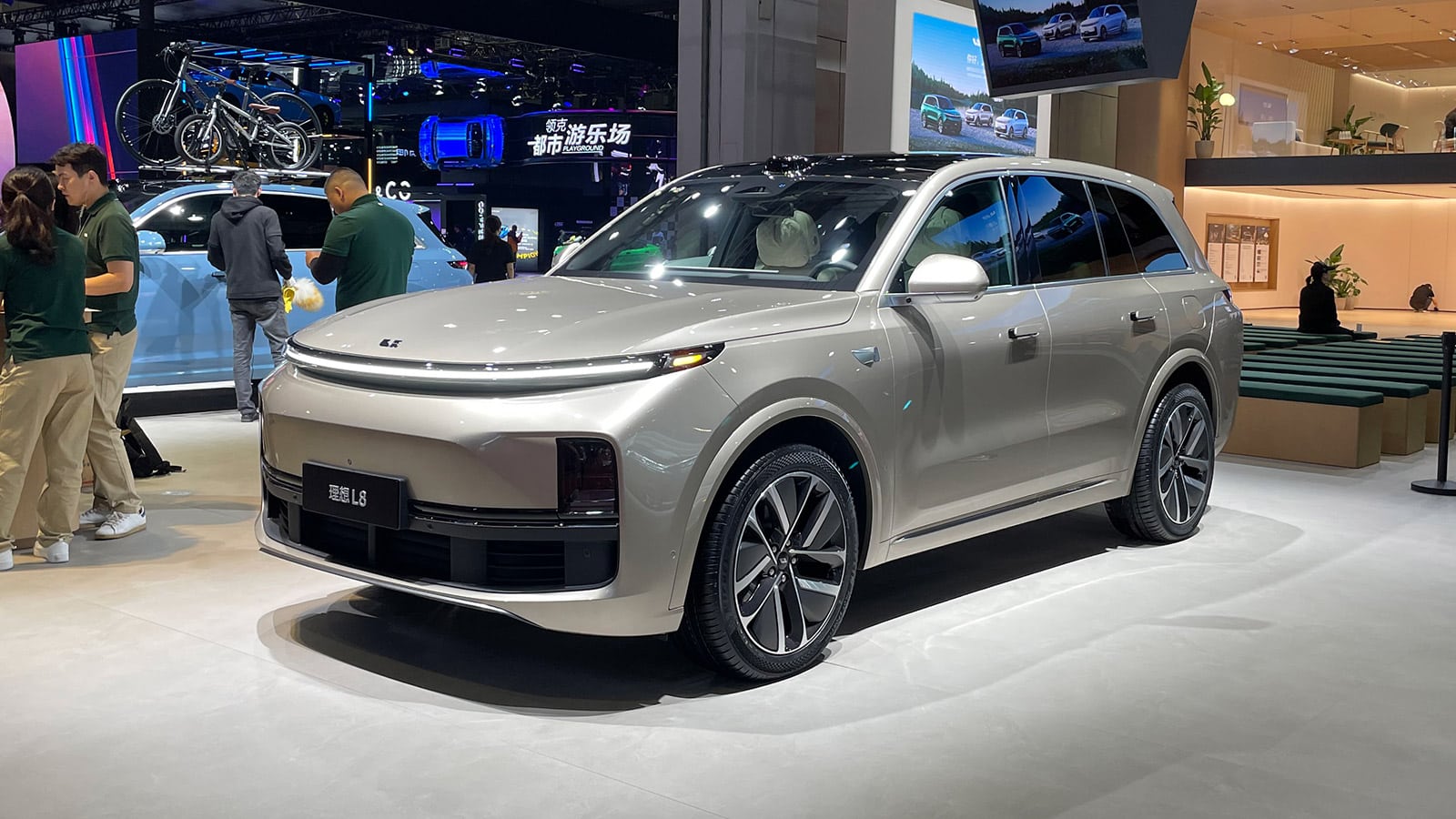
Li Auto’s 33,951 deliveries might put them in third place, but don’t mistake position for weakness. Their cumulative historical deliveries have now passed 1.43 million vehicles, which is a testament to building a loyal customer base over time. In the third quarter alone, they moved 93,211 units, showing consistent demand for their particular blend of extended-range electric technology.
The recent launch of their Li i6 five-seater SUV on September 26th, with deliveries already underway, shows they’re not resting on their laurels. For consumers, Li Auto represents a different approach to electrification, one that addresses range anxiety head-on while still delivering that smooth, quiet electric driving experience. It’s a compromise that’s clearly resonating with a significant segment of the market.
The Supporting Cast Making Waves
While the top three grab most of the attention, the rest of the field tells its own important story. Arcfox at 16,074 units, Voyah at 15,224, and IM Motors at 11,107 show there’s room for multiple players in this expanding market. Each brings something different to the table, whether it’s luxury positioning, unique technology, or specific market focus.
What’s exciting about this broader field is the innovation it drives. When you have six companies all pushing hard, you get better cars, more features, and competitive pricing. It’s the kind of environment that benefits consumers directly, forcing everyone to up their game. This intense competition is what makes the Chinese EV market so dynamic, and it’s why we’re seeing such rapid advancement in battery technology, charging speeds, and smart features.
What This Means for You, the EV Buyer
Let’s bring this down to street level. These sales numbers aren’t just industry statistics, they’re indicators of what’s working in the real world. When a model like the Xpeng Mona M03 sells 10,000 units in a month, it’s telling you something about what features matter to actual drivers.
From a consumer perspective, this competition means several things. First, you’re getting more car for your money. The features that were premium options a year ago are becoming standard. Second, service and support networks are expanding rapidly. When companies are selling at this volume, they have to build out their service infrastructure, which means better support when you need it. Third, resale values are becoming more predictable as these brands establish themselves in the market.
The technical advancements are happening at a pace that’s hard to keep up with, but in simple terms: batteries are getting more energy-dense, charging is getting faster, and the software that runs these cars is getting smarter. What was cutting-edge last year is becoming mainstream this year, and that acceleration benefits everyone looking to make the switch to electric.
Looking Down the Road
As we move into the final quarter of 2025, the trends we’re seeing in September set the stage for what’s to come. Leapmotor has already teased their flagship D19 SUV for October, showing they’re not content to just maintain their lead. Xpeng’s European expansion suggests they’re playing a longer game, building brand recognition in markets that will become increasingly important.
The November sales will be particularly telling, as they’ll show whether this momentum can be sustained through the traditionally strong year-end period. What’s clear is that the Chinese EV market has moved past the experimental phase and into full-scale adoption.
For anyone considering an electric vehicle, whether in China or watching from abroad, these numbers tell a compelling story. They show a market that’s vibrant, competitive, and delivering real innovation at a pace that’s reshaping the entire automotive landscape. The companies that are succeeding aren’t just selling cars, they’re solving real transportation problems for real people, and that’s what makes this moment in automotive history so exciting to watch unfold.
So the next time you see one of these EVs on the road, remember there’s a story behind it, a story of intense competition, rapid innovation, and a market that’s charging full speed into an electric future. And if these September numbers are any indication, that future is arriving faster than anyone expected.