
Singapore’s GIC, one of the world’s largest sovereign wealth funds, has filed a lawsuit in a US court against Chinese EV maker Nio and its top executives. This move alleges securities fraud, marking an unprecedented action for a sovereign wealth fund targeting a Chinese company listed overseas.
The Core Accusation: Inflated Revenue
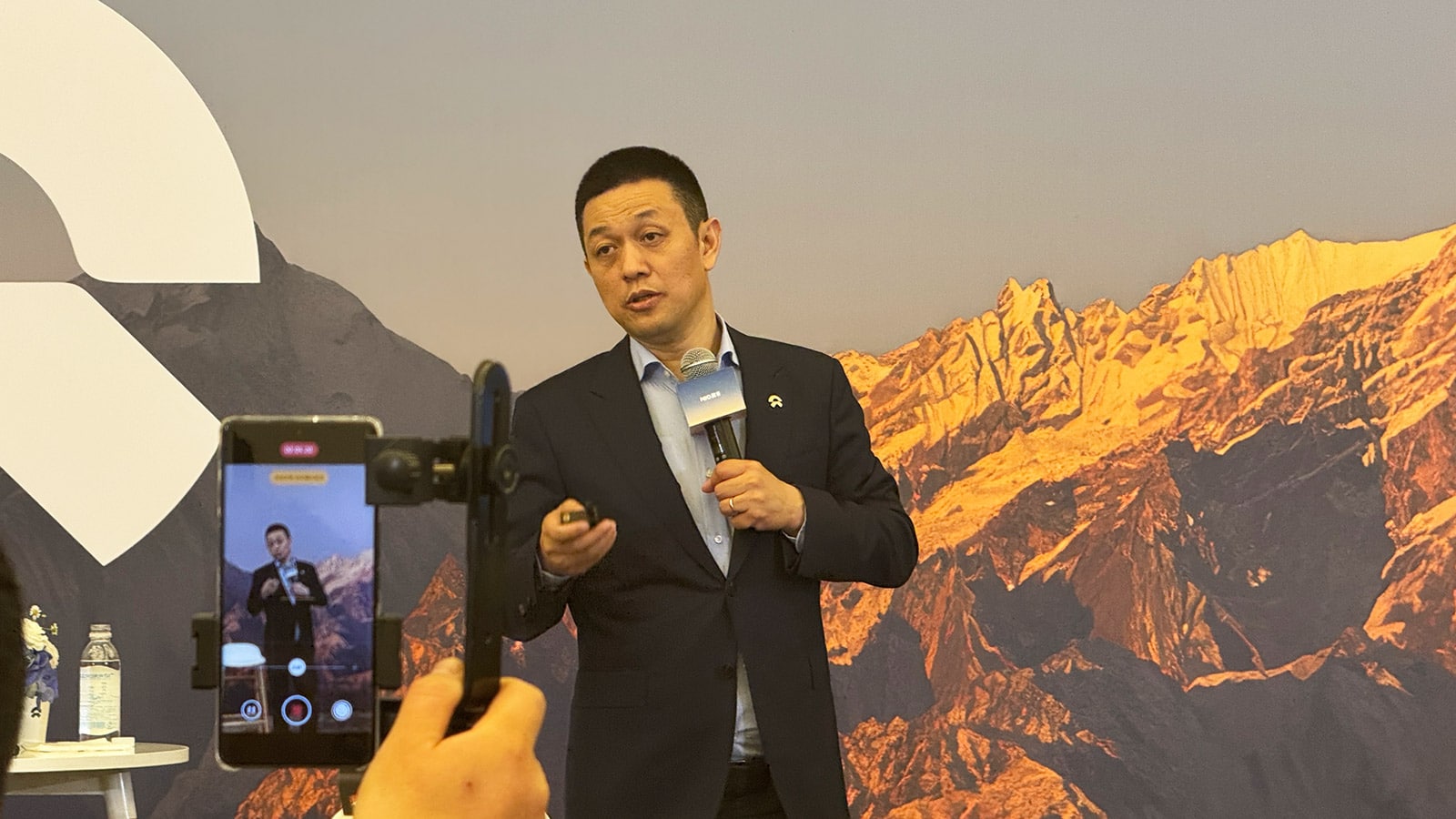
The lawsuit, lodged by the Singapore Government Investment Corporation (GIC), names Nio, its CEO William Li, and former CFO Feng Wei as defendants. GIC’s central claim is that Nio, through a battery asset company called Nio Battery Asset Co. Ltd., or “Weineng,” allegedly inflated its revenue and profits. Weineng was established with partners such as CATL.
The fund asserts that Nio concealed its actual control over Weineng, misleading investors and causing GIC to incur significant investment losses. The heart of the lawsuit focuses on Nio’s alleged financial statement manipulation via Weineng. GIC claims Nio boosted revenue and profits by prematurely recognizing battery sales and obscuring its true control over the entity.
The BaaS Model Under Scrutiny
The controversy really centers on Nio’s innovative “battery swap and battery rental” model, known as BaaS (Battery-as-a-Service). Here’s how it works: customers can buy a Nio EV without the battery, then rent the battery pack from Weineng. The critical issue is that Nio recognized the entire battery sales revenue upfront when these batteries were sold to Weineng.
The dispute boils down to different accounting interpretations under US standards. Should this revenue be recognized incrementally as users pay monthly rental fees, or can it be recognized immediately because the batteries were technically “sold” to Weineng? It’s a pretty big deal for how a company’s financials look.
Financial “Optimization” and Revenue Doubling
GIC’s lawsuit suggests Nio created Weineng in August 2020 with the specific goal of “optimizing” its financial reports. This maneuver allowed Nio to immediately recognize substantial revenue while also pushing battery depreciation costs off its balance sheet. The impact was immediate and impressive: Nio’s Q4 2020 revenue skyrocketed year over year, jumping from 2.85 billion yuan ($399 million USD) to 6.64 billion yuan ($930 million USD).
GIC argues that if the revenue had been recognized incrementally, which they believe aligns with proper accounting standards, Nio’s performance would have been much lower at the time. Consequently, its stock price, which surged to an all-time high of $62 USD in early 2021, wouldn’t have seen such a dramatic climb. Nio, of course, maintains that control over the batteries transferred to Weineng upon sale and that its “performance obligations” were met, justifying the upfront revenue recognition. These revenues were recorded as vehicle sales revenue and transparently disclosed as related-party transactions in financial reports.
The Variable Interest Entity (VIE) Debate
Another major sticking point in this case is the true extent of Nio’s control over Weineng, bringing into play the complex definition of a Variable Interest Entity (VIE). GIC alleges that Weineng isn’t really an independent company, but more of a “shell” entity that Nio substantially controls. If this claim holds, Nio would need to consolidate Weineng’s financial data into its own reports, which would invalidate that earlier upfront revenue recognition.
GIC has brought forward several pieces of evidence to back up its claim:
-
Intricate Equity Structure: After a capital boost in August 2021, Nio held 19.84% of Weineng’s shares, just under the 20% threshold that might automatically trigger a presumption of control. GIC interprets this as Nio deliberately trying to work around regulations. This kind of nuanced financial maneuvering highlights the intricate world of China EV corporate strategy.
-
Significant Actual Economic Interest: GIC claims that through various accounts receivable and guarantees, Nio’s real economic interest in Weineng stretched to a substantial 55%.
-
Lack of Business Autonomy: Weineng’s entire operational setup appears to be heavily reliant on Nio. Things like battery types, quantities, and even rental prices are all decided by Nio. Plus, battery operations, maintenance, and user billing are handled directly by Nio or its subsidiaries.
Current Status: Lawsuit on Hold
Currently, the court temporarily stayed the GIC lawsuit against Nio in early October 2025. This pause is in anticipation of the outcome of a pre-existing class-action lawsuit filed by US investors. It’s a complex legal battle with significant implications for Nio and other Chinese companies operating under similar financial structures. In related news, Nio’s CEO has also been vocal about the perceived inefficiencies of large batteries in EREV vehicles, showcasing the company’s ongoing focus on battery technology and efficiency. The company has been pushing its Firefly battery-as-a-service brand, further emphasizing their unique approach in the market.
About GIC
Established in 1981, GIC stands as one of Singapore’s three primary sovereign investment entities, alongside Temasek Holdings and the Monetary Authority of Singapore. Its core mission involves managing the nation’s foreign reserves and fiscal surpluses, aiming to achieve “long-term returns above global inflation at acceptable risk.” GIC’s latest annual report shows that equities make up 51% of its investment portfolio, clearly demonstrating why the performance of Chinese stocks, especially in the booming EV sector, directly influences GIC’s returns. The broader global focus on EV technology means that developments with companies like Nio are closely watched by major investment funds like GIC, illustrating the intertwined nature of global finance and the electric vehicle industry’s rapid growth. This lawsuit highlights the critical importance of transparent financial reporting and adherence to accounting standards, particularly for companies seeking international investment. The outcome will surely set a precedent for future interactions between global investment funds and overseas-listed Chinese companies, especially as demand for Nio’s diverse vehicle lineup continues to expand globally.