
Quick Specs & Metrics
Here’s what you need to know about sodium-ion batteries at a glance:
- Energy Density: 100-170 Wh/kg (vs. 180-200 Wh/kg for LFP)
- Cold Weather Performance: Retains >90% capacity at -20°C (vs. ~80% for lithium)
- Material Cost: 30-40% cheaper than lithium-ion
- Current Production: ~9 GWh globally (2025)
- Upcoming Models: Aion Y Plus (Q2 2026)
The Lithium Alternative Heating Up
Picture this: It’s a bitter -20°C morning in Harbin, and while lithium batteries in nearby EVs are struggling to hold charge, a fleet of delivery vans humming with sodium-ion packs starts up without complaint. This isn’t science fiction – it’s the near future China’s battery giants are building right now.
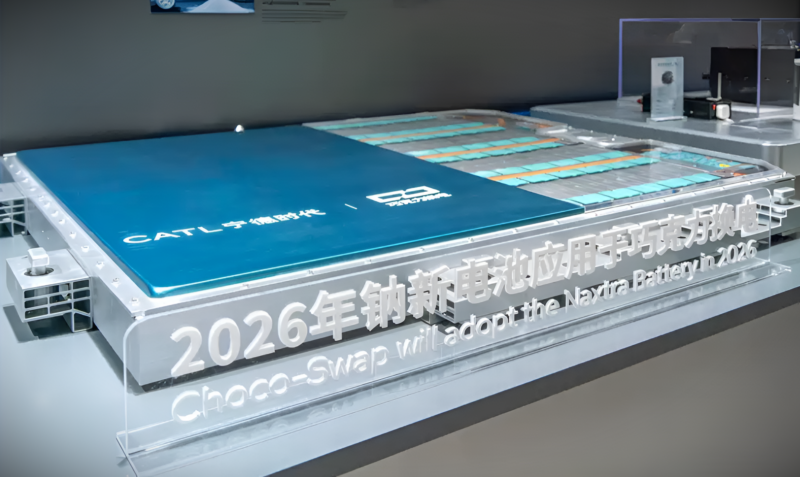
As lithium prices soared past 150,000 yuan/ton (about $20,900) in early 2026, squeezing profit margins on affordable EVs, Chinese manufacturers did what they do best – pivoted hard. CATL made waves with its sodium-ion battery launch for commercial vehicles, while BYD quietly built a 30 GWh production line that could power half a million compact EVs annually. Smaller players like EVE Energy and Ronbay Technology joined the rush, collectively investing over 1 billion yuan ($144 million) in new sodium-ion projects.
Why Sodium? Why Now?
The chemistry lesson here is simple: Sodium-ion batteries work much like the lithium-ion ones in your phone or EV, but swap out the scarce lithium (mostly mined in South America and Australia) for sodium – an element so abundant we literally put it on french fries. This table salt advantage gives China three strategic benefits:
- Supply Chain Security: No more geopolitical headaches over lithium access
- Cost Stability: Material costs could be 30-40% lower than lithium equivalents
- Cold Weather Prowess: Prototypes keep >90% capacity in deep freeze where lithium batteries falter
For budget-conscious buyers eyeing models like the upcoming Aion Y Plus, this could mean more affordable EVs that actually start in winter. For automakers, it’s a potential lifeline as safety regulations and material costs squeeze entry-level segments.
The Tradeoffs (Because There’s Always a Catch)
Before you get too excited, let’s talk limitations. Today’s sodium-ion batteries store less energy pound-for-pound than lithium – think 100-170 Wh/kg versus 180-200 Wh/kg for LFP or 250-300 Wh/kg for premium ternary lithium packs. That’s why you won’t see them in a 700km range luxury sedan anytime soon.
But here’s where Chinese engineering shines: They’re perfect for:
- City cars with 200-300km ranges
- Commercial fleets that charge daily
- Energy storage systems where weight matters less
- Northern regions where lithium batteries struggle
BYD’s strategy says it all – they’re not abandoning lithium, but expanding globally while hedging bets at home with sodium.
The Road Ahead
Walk through any major Chinese battery lab today, and you’ll see teams racing to close the energy density gap. Some are tweaking cathode materials, others experimenting with new electrolytes. The pace reminds me of lithium-ion’s early days – rapid iterations, weekly breakthroughs.
For consumers, this competition means more choices. Imagine:
- Budget EVs under $15,000 with cold-weather confidence
- Solar farms using sodium batteries for cheaper energy storage
- Delivery fleets cutting costs with locally sourced batteries
As one engineer at CATL told me, “We’re not building the battery of tomorrow – we’re building the batteries for different tomorrows.” In China’s vast, diverse market, that flexibility might be the smartest bet of all.
So keep an eye on those Harbin winters – the vans that start easiest might just be powered by the same stuff as your dinner table salt shaker.