
Volkswagen is set to integrate Xpeng’s advanced autonomous driving solution, XNGP, into its electric vehicles sold in China starting in 2026. This move marks a pivotal moment for both companies, as VW looks to accelerate its presence in the fiercely competitive Chinese EV market by leveraging local intelligent tech.
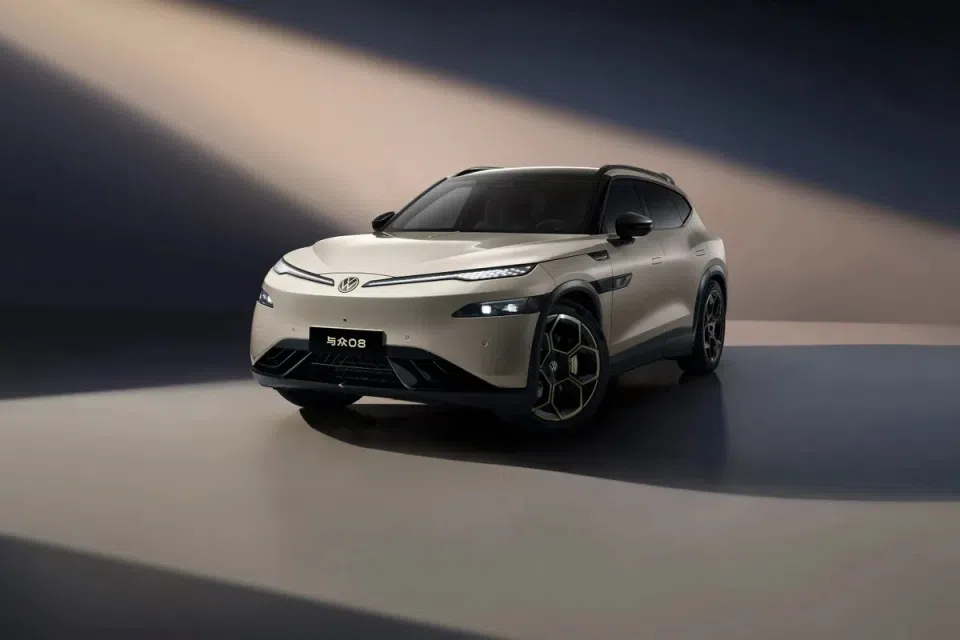
The initial rollout will feature XNGP in a new mid-size SUV, a collaborative effort between Volkswagen and Xpeng.
A Strategic Alliance
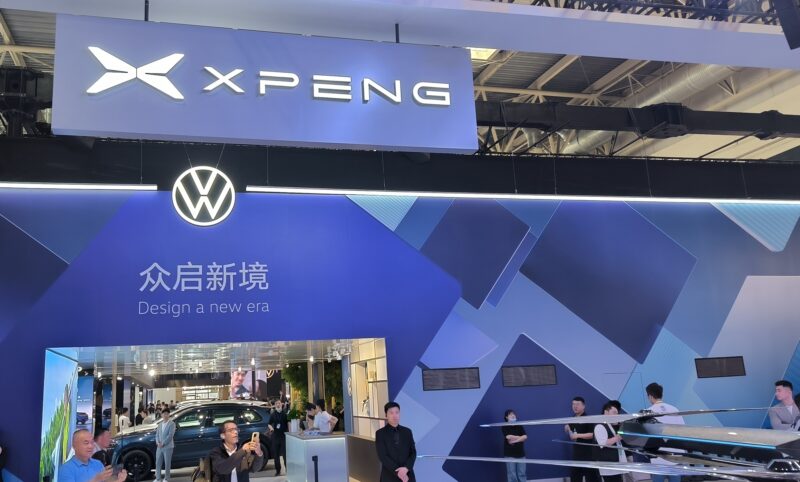
Volkswagen’s strategic investment of 700 million EUR in Xpeng back in July 2023, securing a 4.99% stake, laid the groundwork for this collaboration. Since then, the partnership has blossomed, with both giants confirming working on two mid-size SUVs slated for a 2026 launch. This alliance extends beyond just vehicles, it dives deep into platform development. The Sino-German team is also crafting a new EV platform known as China Electronic Architecture (CEA). This platform, an evolution of Xpeng’s existing E/E architecture, will eventually underpin all Volkswagen-badged cars in China. Ralf Brandstätter, a member of the Volkswagen AG board of management for China, confirmed this pivot in July 2024, emphasizing that “From 2026, all electric vehicles of the Volkswagen brand in China will be equipped with this very powerful and efficient architecture.”
An E/E architecture is essentially the central nervous system of a car, orchestrating all electrical and electronic systems. It handles hardware, software, and data flow, ensuring everything runs smoothly. For Volkswagen, this means a shorter development cycle, reduced costs, and EVs tailored for Chinese consumers, aligning with their “in China for China” strategy.
Xpeng’s Tech Takes Center Stage
Adding another layer to this partnership, Xpeng’s chairman, He Xiaopeng, announced in June 2025 that the company will also supply its in-house developed Turing AI ADAS chips for integration into VW models, also starting in 2026. Volkswagen is actively testing Xpeng’s XNGP system on upcoming EVs, with mass production set for 2026. While the advanced driver assistance system (ADAS) will debut on the co-developed SUVs, the branding of this licensed XNGP tech on Volkswagen vehicles is still under wraps.
Interestingly, Volkswagen China initially denied these reports, stating they were continuing ADAS development under Carizon, their joint venture with Horizon Robotics. They clarified their commitment to rolling out this technology across their fleet. However, Volkswagen China also concluded by confirming that “to quickly serve our Chinese customers’ demands and ramp up our product portfolio, Volkswagen will launch two fully electric models in 2026 that will use XPENG’s E/E architecture and ADAS stack.” This seemingly contradictory statement highlights the intricate dance of strategic partnerships and proprietary development in the fast-paced EV world. The shift shows that automakers need to embrace local expertise to stay competitive. In fact, you can see this trend where Volkswagen is rolling out a new SUV with Xpeng technology.
XNGP: Xpeng’s Answer to Autonomous Driving
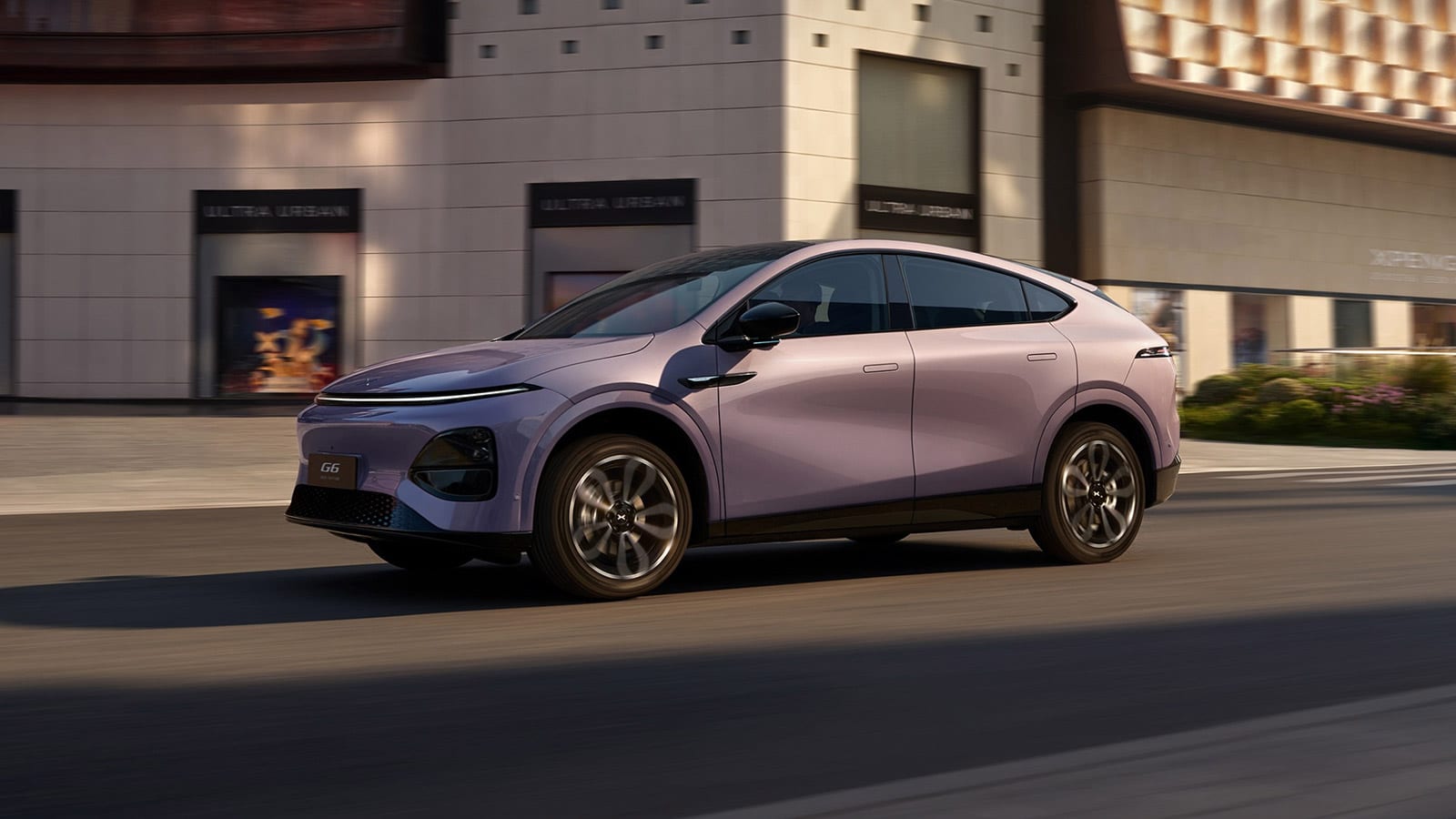
XNGP is Xpeng’s sophisticated vision-based, HD maps-free autonomous driving solution, designed to go head-to-head with Tesla’s Full Self-Driving (FSD). This technology is a significant leap toward more independent and intuitive driving experiences. Volkswagen’s software arm, Cariad (China), is playing a crucial role in developing the Xpeng-Volkswagen CEA architecture. Cariad China initially aimed to contribute cutting-edge ADAS and smart cockpit functions, transforming itself from a global software integrator to a local partner. However, Volkswagen CEO Oliver Blume recently announced Cariad officially discontinued its own software development, downsizing to primarily integrate and coordinate external software partners like Xpeng and Rivian. This shift clearly shows a strategic move by Volkswagen to lean on established leaders in autonomous tech rather than trying to reinvent the wheel internally for every market. This change also reflects in other areas, such as when China embraced steer-by-wire technology. It is a rapid market with ever-changing needs where the EV sales race heats up, and you can really see that the market in China is surging. To provide context, even companies like Xiaomi are making waves with their production numbers.