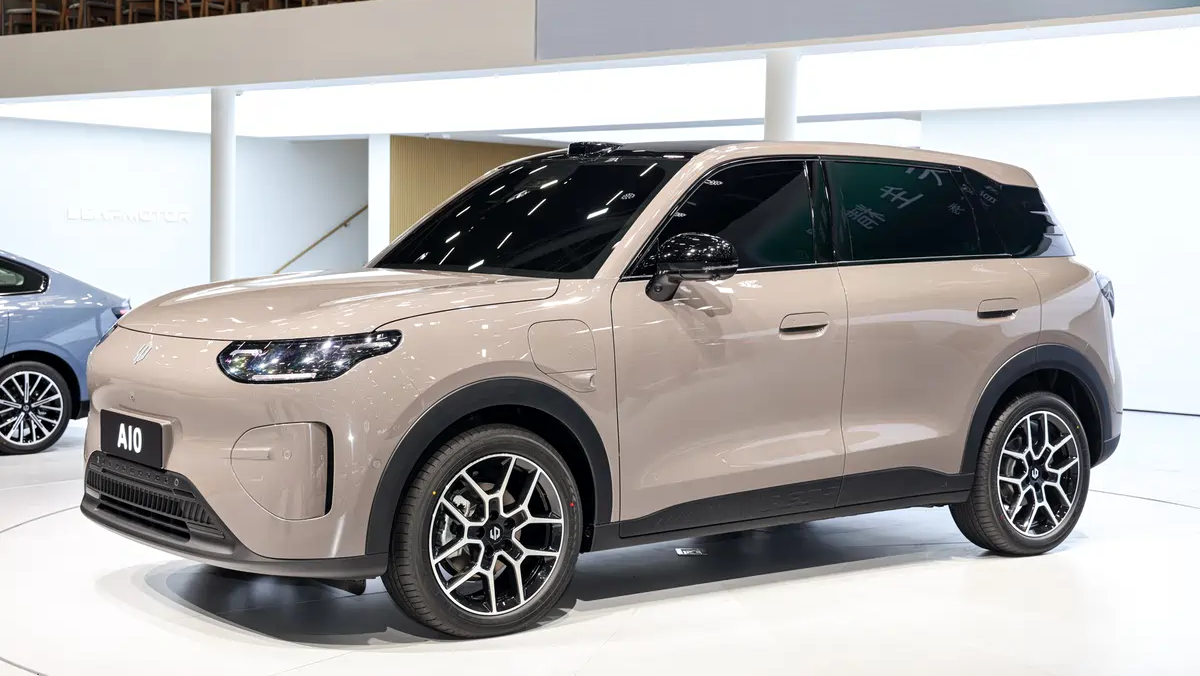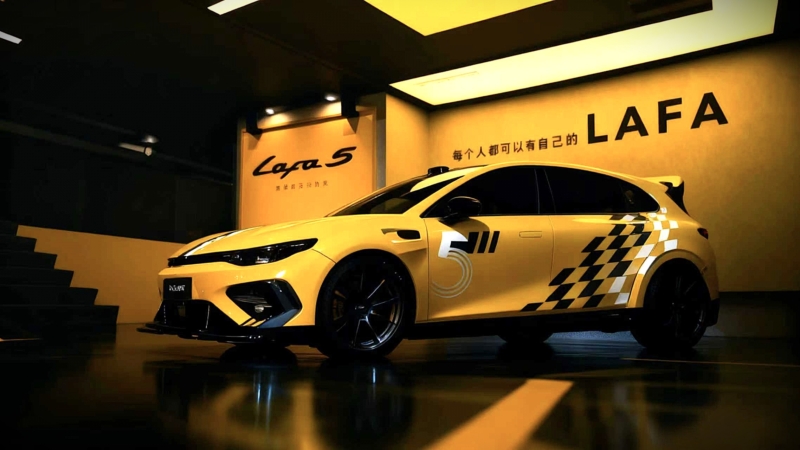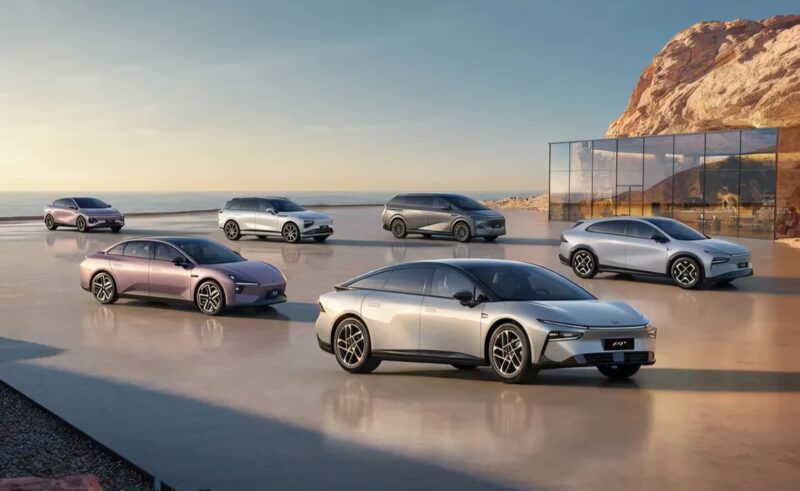

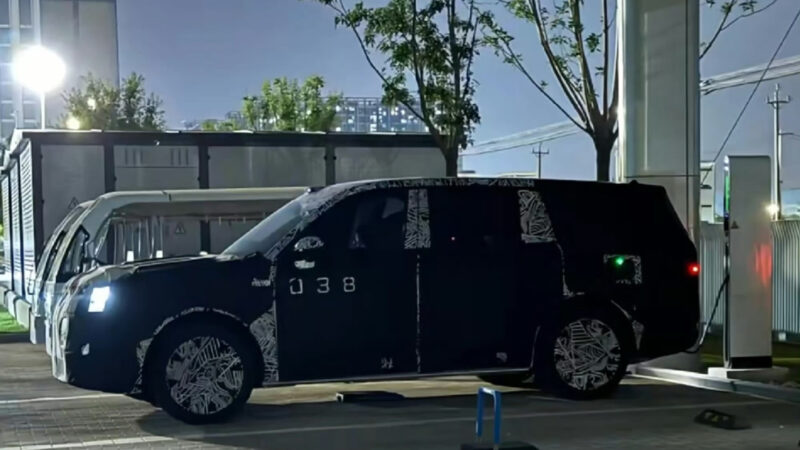
The electrification of the automotive world is accelerating at a dizzying pace, especially in China, where manufacturers are constantly pushing the boundaries of what’s possible. The latest buzz suggests that several key players—Xiaomi, Great Wall Motor (GWM), and Leapmotor—are gearing up to equip their plug-in hybrid electric vehicles (PHEVs) with a substantial 80 kWh battery pack next year. This move is set to redefine the segment, making these models some of the PHEVs with the largest battery capacities on the market.
The Rise of the Long-Range PHEV
In China, it is common for owners of hybrid vehicles to rely predominantly on electric power for their daily commutes, saving the internal combustion engine (ICE) for longer journeys, perhaps a trip to a nearby city. This unique usage pattern has sparked an intense competition among New Energy Vehicle (NEV) manufacturers to offer greater electric-only ranges.
This year alone, we saw SAIC introduce the IM LS6 EREV crossover with a 66 kWh battery, and Geely is set to launch the Zeekr 9X PHEV packing a 70 kWh unit. However, the upcoming models from Xiaomi, GWM, and Leapmotor are poised to raise the bar significantly.
80 kWh Batteries: A Game Changer for Hybrids
According to a report by Chinese media outlet 36Kr Auto, the Xiaomi Kunlun, specific models from GWM, and Leapmotor’s D-series vehicles are all slated to receive an 80 kWh battery next year. This massive battery capacity could translate to an impressive pure electric range of 400 to 500 kilometers (approximately 250-310 miles), effectively turning these PHEVs into daily driven electric cars with the added security of a gasoline engine for extended trips.
To manage the weight associated with such a large battery pack, 36Kr speculates that some automakers might opt for 8-series high-nickel batteries. While Lithium Iron Phosphate (LFP) batteries are popular, their heavier nature could push the total weight of these PHEVs past three tons. Historically, 8-series high-nickel batteries, a type of ternary NMC pack, faced challenges with stability and longevity. Yet, the world’s largest battery manufacturer, CATL, is on the verge of releasing a new generation of these batteries next year, promising improved performance and reliability. For context, most current NMC batteries utilize a 5-series technology, balancing nickel, cobalt, and manganese at a 5:2:3 ratio.
Outcompeting Pure EVs in Battery Size?
These upcoming Chinese PHEVs, with their 80 kWh batteries, are set to rival the battery capacities of many existing Battery Electric Vehicles (BEVs). For instance, a long-range Tesla Model Y comes with a 78.4 kWh battery, and the entry-level Xpeng G9 features a 79 kWh pack. This demonstrates a clear trend: PHEVs are evolving to offer electric-only capabilities that are increasingly closer to those of dedicated EVs.
One of the most anticipated models is the Xiaomi Kunlun. This SUV, potentially named ‘YU9’ upon release, has been rumored to include an 800V high-voltage system and three rows of seating. Another contender is the Leapmotor D16, the flagship SUV from the Stellantis-backed Chinese automaker. Finally, Great Wall Motor’s Tank 800 Hi4-Z is also expected to join this elite group of high-capacity PHEVs.
The push for larger batteries in PHEVs highlights a strategic shift in the Chinese market. It aims to offer consumers the best of both worlds: extensive electric range for daily use combined with the flexibility of a gasoline engine for longer journeys, all while leveraging cutting-edge battery technology from suppliers like CATL. It seems the arms race for battery capacity in hybrids is just getting started, promising exciting new options for drivers next year.