
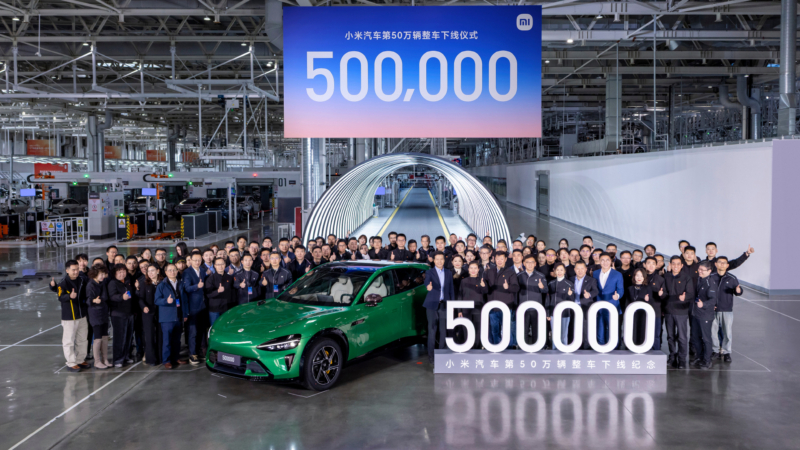
Xiaomi isn’t just a tech giant anymore. It’s a full-blown automaker, and it’s moving at a blistering pace. The company just celebrated a massive milestone, rolling its 500,000th vehicle off the production line. It took them just 602 days, or about 20 months, to hit that number since starting sales. That’s a serious statement of intent in the world’s most competitive electric vehicle market.
From Smartphones to Speedsters
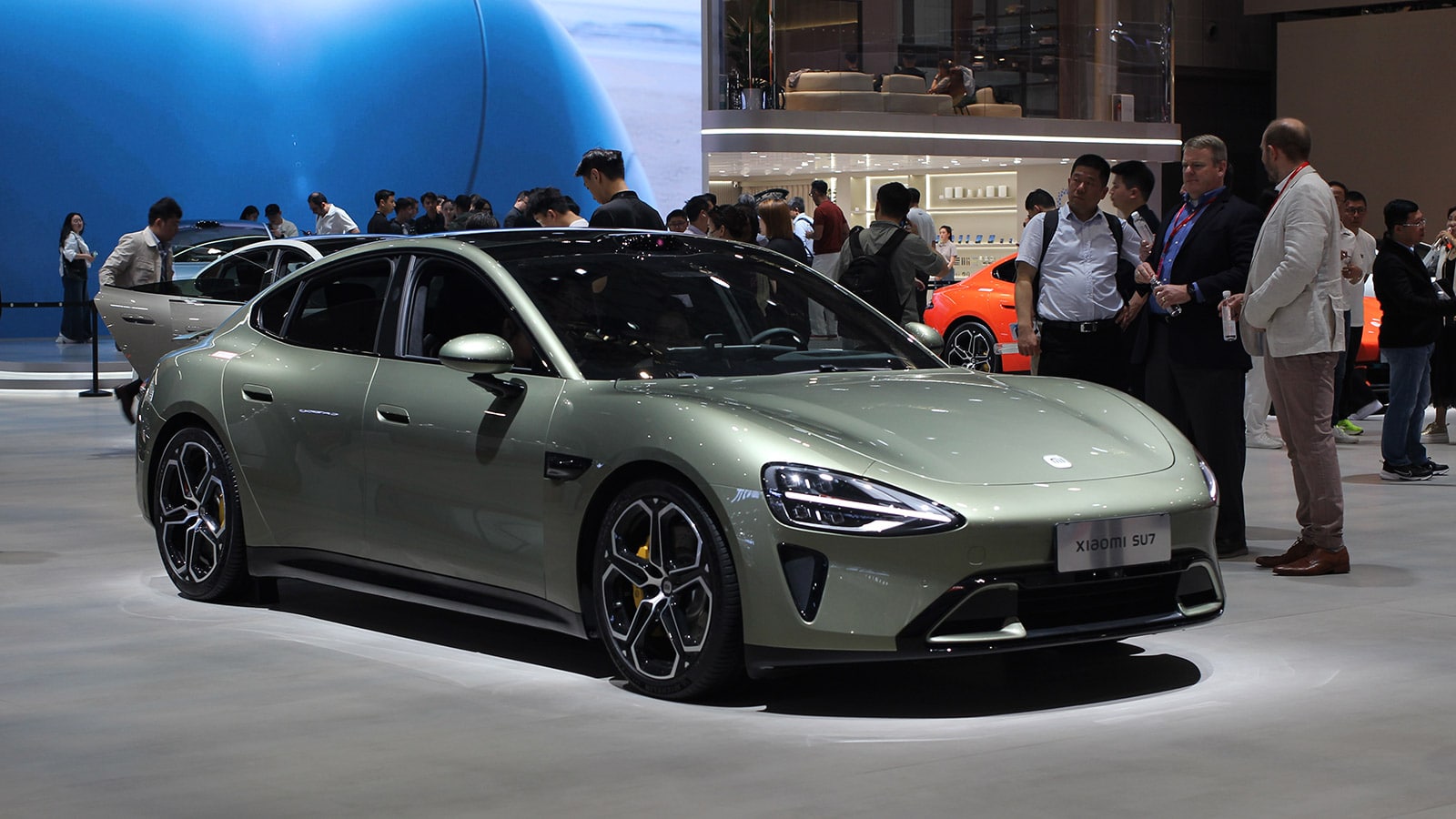
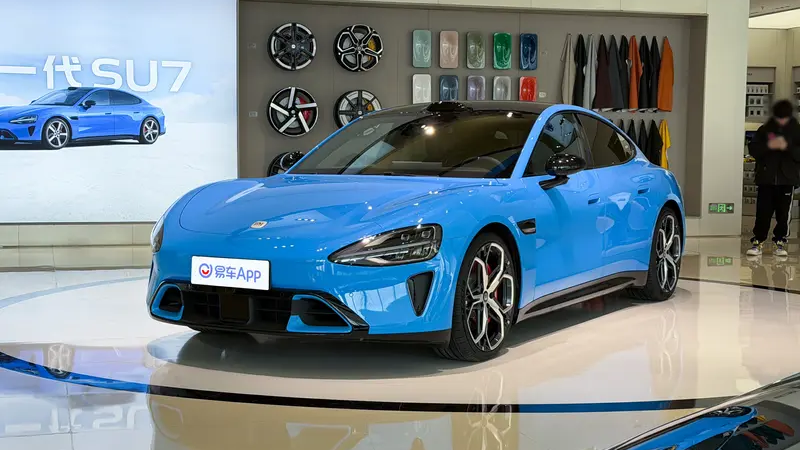
It all started with the sleek Xiaomi SU7 sedan, which launched on March 28, 2024. The car world was watching, wondering if a consumer electronics company could really pull off building a compelling EV. The answer was a resounding yes. The SU7 was an instant hit, produced with double shifts at Xiaomi’s Phase 1 factory to keep up with demand.
Then, on June 26, they followed up with the YU7 electric crossover. This model is squarely aimed at the king of the segment, the Tesla Model Y, and is now rolling off the lines at the new Phase 2 factory. This rapid two-model assault shows just how serious Xiaomi is about its automotive ambitions.
The Anniversary Ride: A Closer Look at the YU7
The 500,000th car was no ordinary model. It was a top-of-the-line YU7 Max, decked out in a stunning Emerald Green finish. This particular crossover wasn’t shy about its performance credentials, sporting an optional carbon fiber exterior package and big 20-inch wheels that frame bright yellow four-piston brake calipers. It looks fast just standing still. With a price tag of around 362,900 yuan (about $51,050), it’s positioned as a premium performance CUV.
And it’s got the power to back it up. The YU7 Max puts down an impressive 508 kW (681 hp) through its all-wheel-drive system. While it’s a roomy crossover measuring 4999mm long, 1996mm wide, and 1600mm tall, it has the heart of a sports car. Its range is quoted at 760 km under the CLTC standard, which is plenty for long trips. Here’s a quick breakdown of what makes it tick.
| Metric | Value | Unit | Notes |
|---|---|---|---|
| Peak power | 508 | kW | Equivalent to 681 hp from dual motors (AWD) |
| Range (CLTC) | 760 | km | China light-duty vehicle test cycle |
| Dimensions (L/W/H) | 4999/1996/1600 | mm | Large CUV/SUV segment |
| Starting price (local market) | ¥362,900 | CNY | For the specific anniversary spec (Max trim + options) |
Keeping Up With Overwhelming Demand
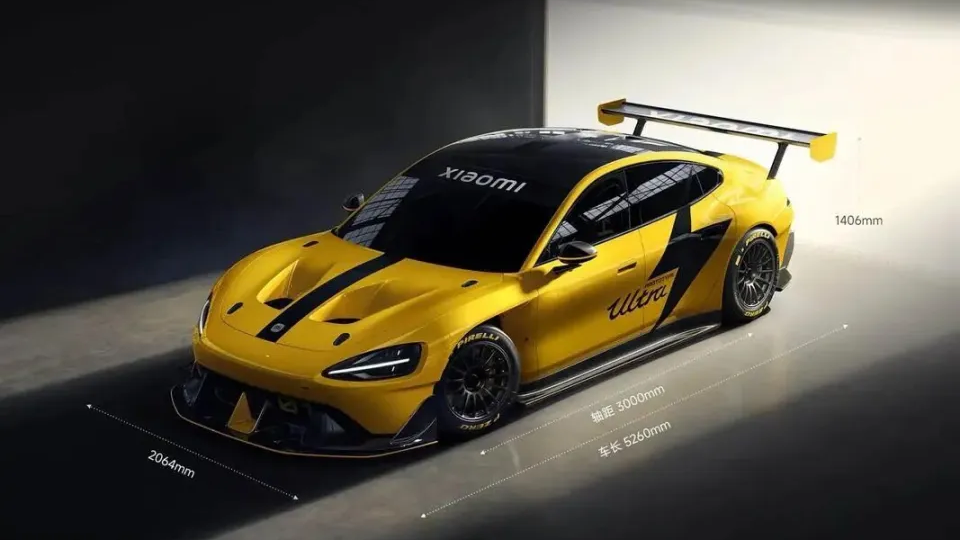
For a while, Xiaomi’s biggest problem was a good one to have: it couldn’t build cars fast enough. At one point, buyers were quoted a 62-week wait for a new YU7. Thanks to the new factory ramping up, those wait times have come down significantly. A YU7 order now takes a more manageable 32 to 38 weeks. The wait for the original SU7 sedan ranges from 6 to 31 weeks, while the high-performance SU7 Ultra can be in your driveway in just 6 to 9 weeks. This shows Xiaomi is quickly mastering the art of mass production, a hurdle that has tripped up many other startups.
The company’s delivery numbers tell the same story of rapid growth. After delivering 75,869 cars in Q1 and 81,302 in Q2, Xiaomi surged to 108,796 deliveries in Q3. They’re on track to hit their 2025 annual target of 350,000 vehicles, a goal Xiaomi Group president Lu Weibing expects to reach this very week. Looking further ahead, founder Lei Jun is aiming to deliver over 400,000 EVs by the end of 2025. It’s this kind of aggressive scaling that sets them apart from rivals like Nio.
The Global Stage Awaits
Xiaomi isn’t content with just conquering the Chinese market. Lu Weibing has already announced plans for a global launch in 2027, with Europe as the first target. He was recently spotted putting an SU7 Ultra through its paces on a two-day test drive in Germany, a clear signal that they’re getting ready to take on the established players on their home turf.
From a phone in your pocket to a high-performance EV on the autobahn, Xiaomi’s journey is one of the most exciting stories in the auto industry right now. Hitting half a million cars this quickly proves they aren’t just a novelty, they’re a legitimate automotive powerhouse in the making. Understanding concepts like battery technology is crucial, and Xiaomi is proving they have it mastered.