
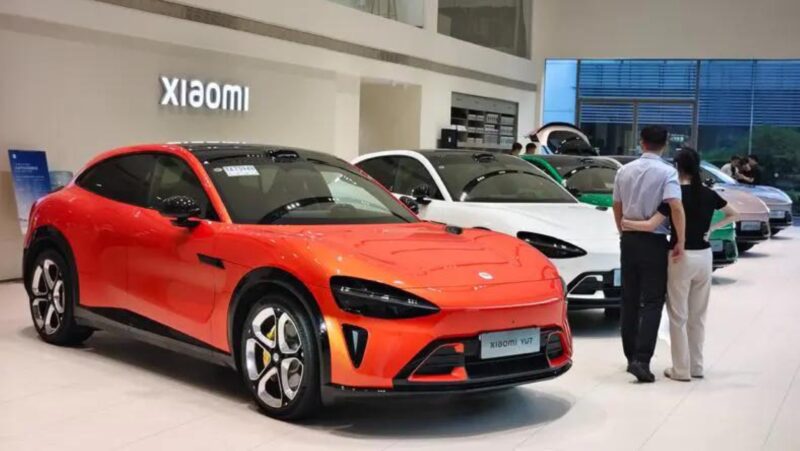
Xiaomi Auto is revving up its production lines for the YU7 electric SUV, tackling a demand surge that’s left rivals playing catch-up with enticing incentives. The company has launched a massive recruitment drive for its F2 (Phase 2) factory in Beijing Yizhuang, aiming to untangle the production bottlenecks that have led to extensive delivery delays. With over 240,000 orders locked in just 18 hours after its debut, the YU7 is proving to be a runaway success, but this popularity comes with its own set of challenges.
Long Waits and Locked-In Orders
If you’re eyeing a YU7, prepare for a wait. Current estimated delivery times stretch from a substantial 38 to a staggering 60 weeks. The Max version offers the quickest turnaround, at about 9.5 months; however, those opting for the Standard version could be waiting up to 15 months. Xiaomi’s app instructs customers to manually lock in their orders after placing a deposit, with production slots allocated based on this lock-in sequence. Once locked, deposits become non-refundable, though a 7-day grace period allows for configuration tweaks.
Xiaomi founder and CEO Lei Jun has publicly addressed these concerns, assuring customers that the company is aggressively working to speed up deliveries. The PR department emphasized that these delivery estimates are fluid and will be continuously updated as production capacity expands.
Expanding Production Footprint
Xiaomi’s initial EV facility, also in Yizhuang, was built to produce 150,000 vehicles annually and has been running a two-shift system since June 2024. But with the earlier SU7 sedan still in production, capacity for the YU7 has been constrained. The good news is the F2 factory is nearing completion and is expected to kick off operations this July.
Recruitment efforts reveal openings for a wide range of roles, including general workers, operators, and trailer drivers. The factory is looking for men aged 18-38, offering 11-hour shifts across two rotations, with daily pay at 230 yuan (approximately 32 USD).
Looking further ahead, Xiaomi has already secured land for a potential F3 (Phase 3) facility. A 52-hectare plot adjacent to its existing factories was reclassified for industrial use in March. In June, another plot in Yizhuang New City was acquired for 635 million yuan (about 87 million USD), earmarked for new energy vehicle and component development. While Xiaomi hasn’t officially confirmed this as a third factory, the signals are strong.
Rivals React with Incentives and Comparisons
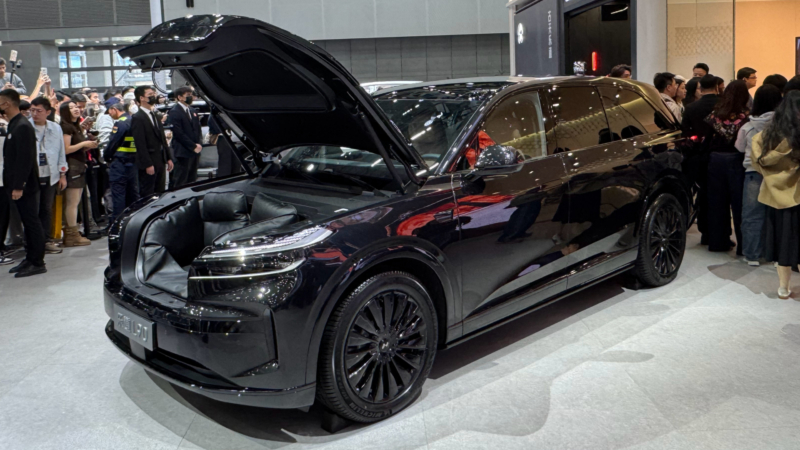
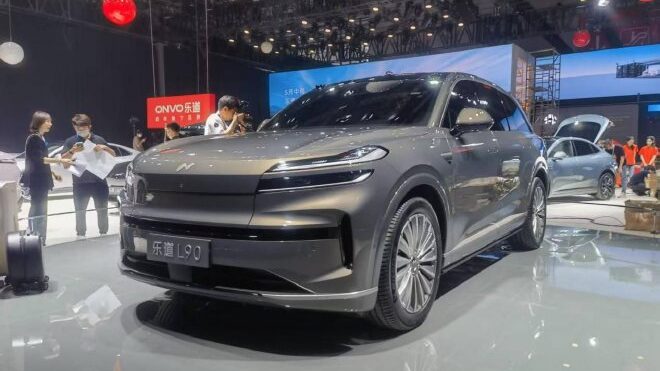
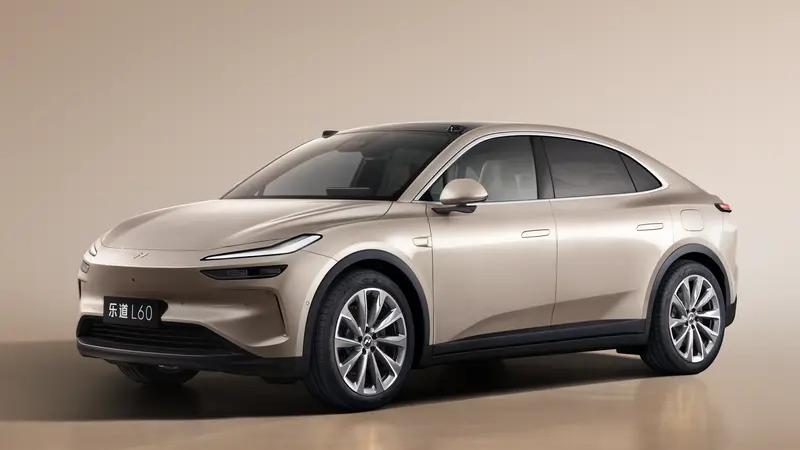
The YU7’s immense popularity hasn’t gone unnoticed by other EV manufacturers. Xpeng CEO He Xiaopeng reportedly placed an order for a YU7, highlighting the industry’s keen interest. Nio’s Onvo division quickly launched a direct comparison, pitting the YU7 against its L60 SUV. A Dongfeng Nissan executive, perhaps feeling the heat, posted a critique of Xiaomi’s sales strategy. The post was later deleted after public outcry.
To tempt YU7 customers away, several brands have rolled out attractive incentives. Competitors like Avatr, Zeekr, IM Motors, and Nio are now offering deposit reimbursements and faster delivery to those willing to switch their allegiance. Huawei’s Aito went even further, announcing subsidies of up to 60,000 yuan (around 8,270 USD), while Tesla countered by upgrading its Model 3 and Model Y Long Range variants.
With such intense competition, Xiaomi’s expedited production scale-up at its F2 factory is more critical than ever. It’s a high-stakes race to meet customer expectations and hold onto those coveted orders in China’s dynamic EV market.