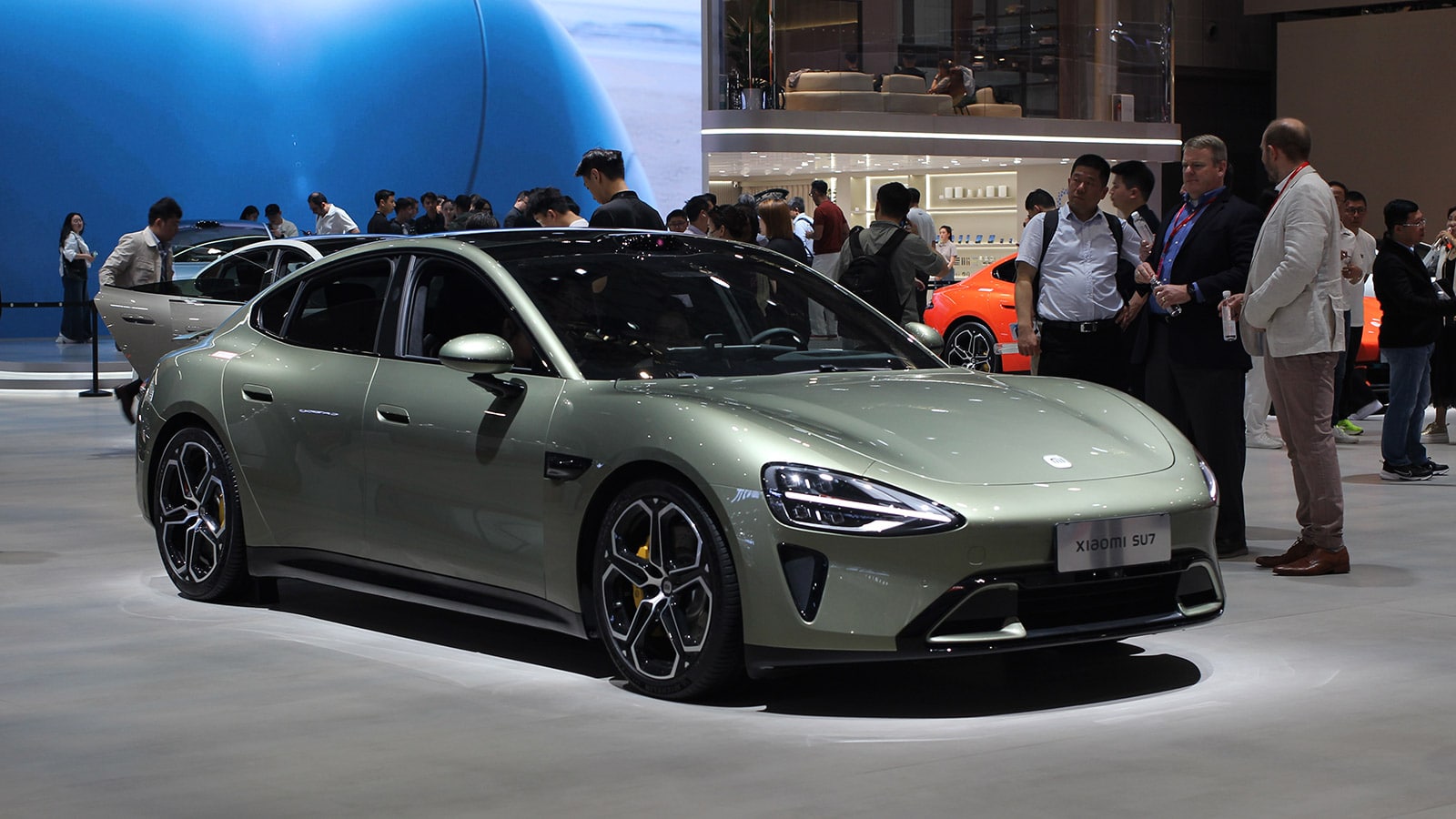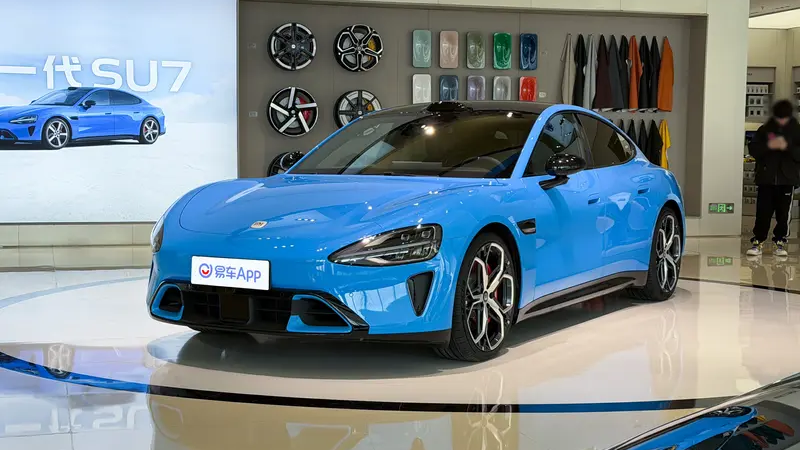

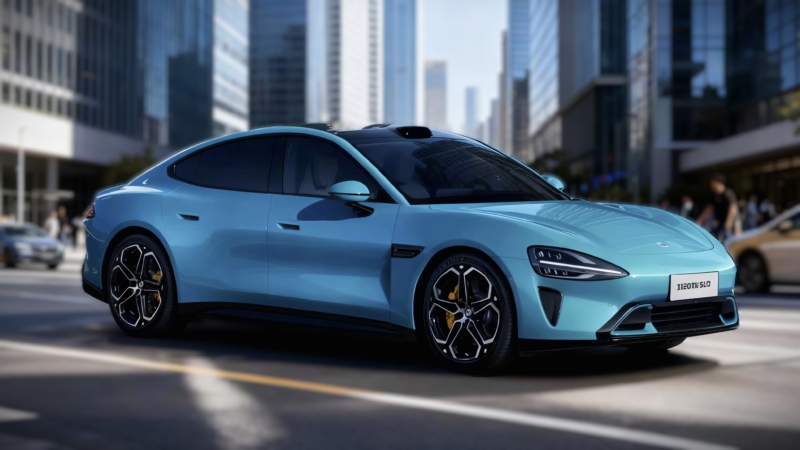
The electrifying ascent of the Xiaomi SU7 continues, as it once again claims the top spot in China’s New Energy Vehicle (NEV) User Satisfaction Index. For the second year in a row, this pure-electric sensation proves that its blend of performance, cutting-edge technology, and user-centric design truly resonates with drivers.
China’s EV Market on the Rise
China’s automotive landscape is buzzing with innovation, and this latest report from the China Quality Association, a respected non-profit, confirms the upward trend. Released on December 3, the 2025 NEV Industry User Satisfaction Index (NEV-CACSI) hit an impressive 80 out of 100 points, a nudge up from 2024. This isn’t just a number, it’s a clear signal that owners are increasingly thrilled with the quality and value they’re getting from their new energy vehicles. Both pure-electric and hybrid segments saw their satisfaction scores climb to 80 points, showing a widespread appreciation for what these advanced vehicles bring to the road.
The survey, a massive undertaking, dissected 162 high-volume models from 55 brands and 40 automakers. With over 25,000 valid responses gathered across 128 cities in five key Chinese regions, it provides a comprehensive snapshot of the market. What’s fascinating is that homegrown Chinese NEV brands are now performing shoulder-to-shoulder with joint-venture brands in terms of satisfaction. Even better, they’re reporting fewer faults per 100 vehicles, particularly when it comes to those slick intelligent cabin systems that everyone craves.Huawei-backed brands are increasingly making their mark, driving much of this innovation.
Under the Hood: The SU7’s Winning Formula
So, what makes the Xiaomi SU7 such a consistent winner? It’s not just about raw power, it’s about the whole package. Launched in March 2024 as Xiaomi Auto’s inaugural EV, this Beijing-built beauty immediately turned heads. It boasts an advanced 800-volt “Modena” architecture, offering a smorgasbord of battery and motor options tailored to different driving desires.
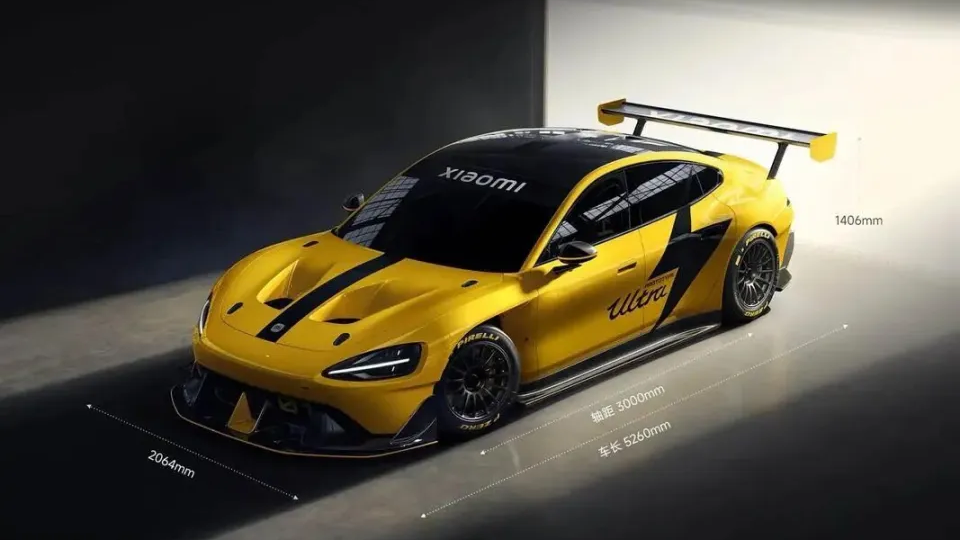
For those who love the thrill of acceleration, the base Rear Drive Standard Long Range Edition doesn’t disappoint. It packs a 73.6 kWh battery, a punchy 299 hp, and sprints from 0 to 100 km/h in a mere 5.3 seconds. Plus, it offers a confident 700 km CLTC range. Moving up the ladder, the Rear Drive Ultra Long Range Pro Edition delivers even more endurance with a 94.3 kWh battery, 295 hp, and an impressive 830 km range. But if you’re chasing the ultimate rush, the 4WD Ultra Long Range Max Edition, with its 101 kWh battery and 664 hp, rockets to an 800 km range. And for the truly insatiable, the high-performance SU7 Ultra variant is a different beast altogether, unleashing a mind-bending 1,526 hp a three-motor setup and a blistering 0 to 100 km/h in just 2.1 seconds.
These numbers aren’t just bragging rights, they translate into real-world satisfaction. Owners consistently praise the SU7’s performance, its unwavering reliability, and the seamless service experience that comes with it. Xiaomi‘s rapid progress in the EV market showcases their serious commitment.
The Bigger Picture: Industry Trends and Challenges
While the market celebrates wins like the SU7’s, the NEV-CACSI results also cast a spotlight on broader industry trends and the hurdles that remain. Across the board, reported faults per 100 vehicles actually ticked up slightly to 109, an increase of 18 from 2024. The main culprits? Intelligent cabins (31 faults), advanced driver-assistance systems (22 faults), and interior components (12 faults), collectively making up 60% of all reported issues. It seems that as technology advances, some growing pains are inevitable, and some regulations, including proposals like stricter safety rules for EV door handles, are being considered to improve overall quality.
Despite these challenges, the overall sentiment remains overwhelmingly positive. Satisfaction with quality reliability jumped to 80.8 points, and enthusiasm for performance design soared to 81.1 points. What’s clear is that drivers are prioritizing the core automotive experience: vehicle performance, rock-solid reliability, and sheer ride comfort. Interestingly, the allure of low maintenance costs or flashy aesthetics seems to be taking a backseat to these fundamental driving characteristics. Chinese car makers are also diving deeper into design principles, shaping the future aesthetics of their vehicles.
Looking ahead, the commitment to refining these systems and delivering a polished user experience will be key for all NEV manufacturers. The Xiaomi SU7’s continued dominance is a testament to getting that balance right, setting a high bar for the ever-evolving Chinese EV market.