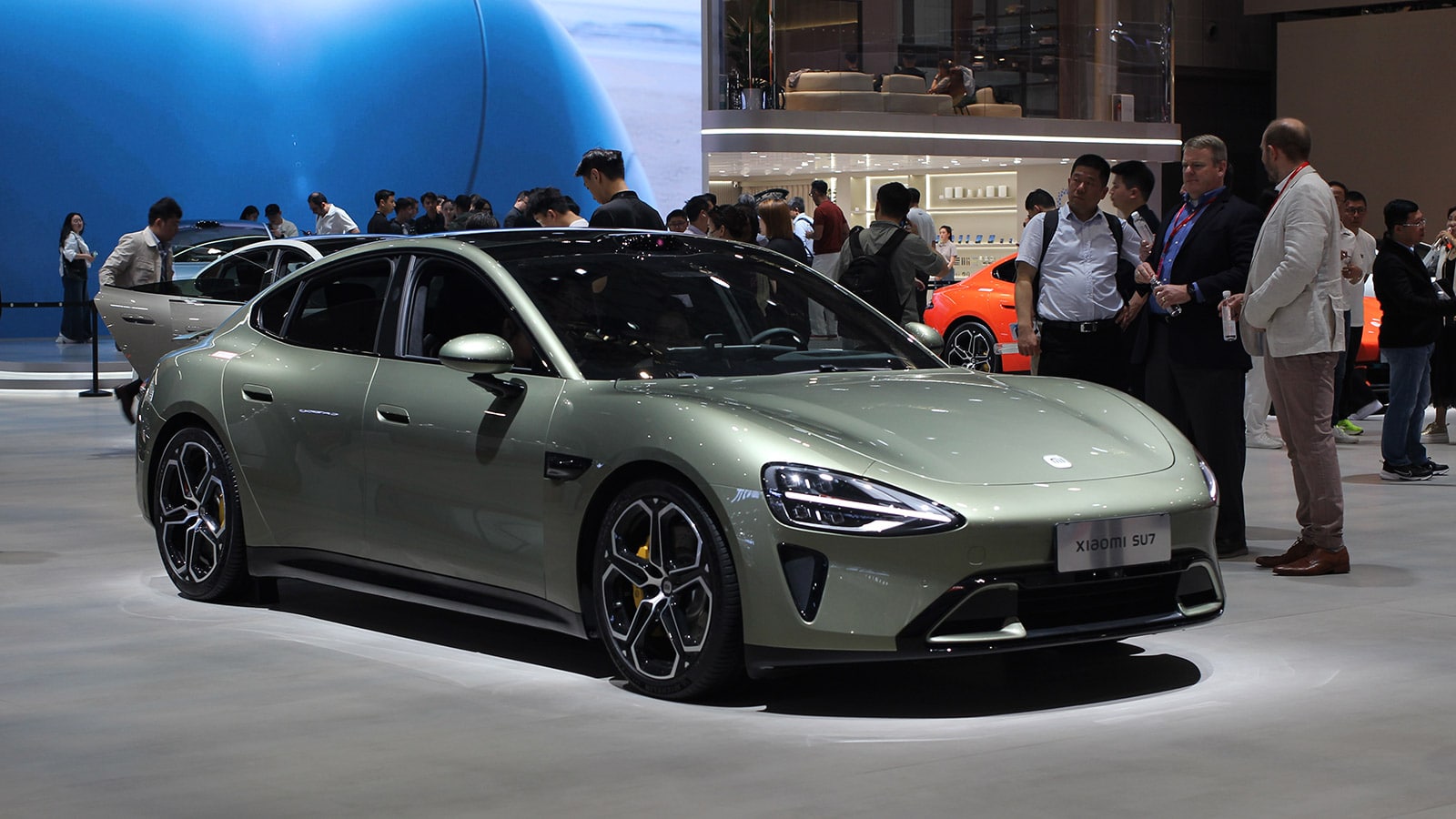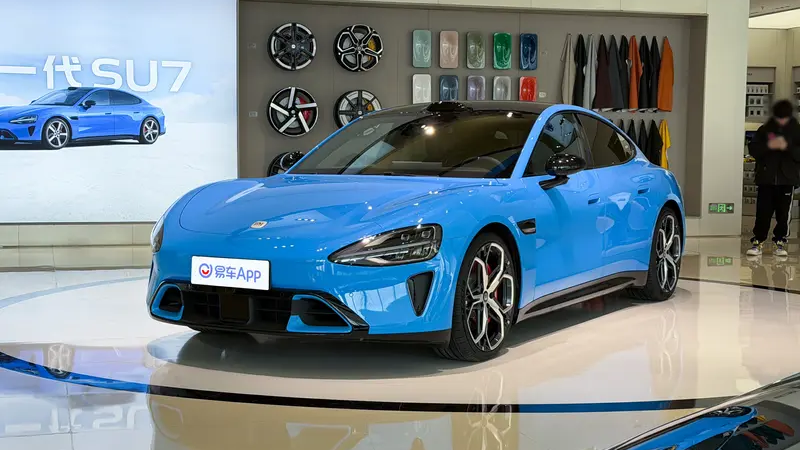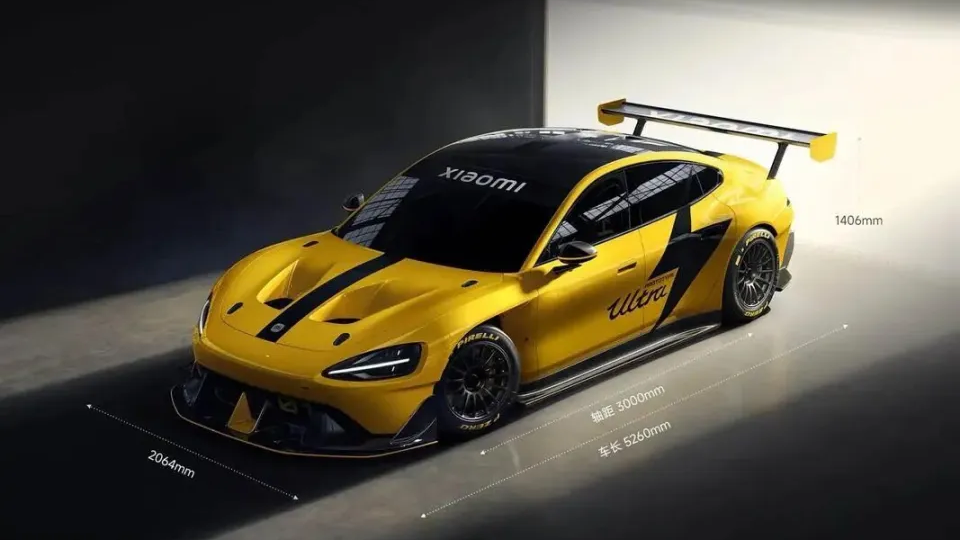


A brand new Xiaomi SU7 recently got a little too close to nature when its autonomous parking feature nearly sent it for a swim. A viral video showed the sleek EV inching toward a pond, its front bumper actually dipping into the water before it came to a halt. It was a nerve-wracking moment for the owner and a slightly embarrassing one for Xiaomi.
This wasn’t a one-off glitch. Another report from an SU7 Max owner described a similar incident at a campsite. The car, which costs over 42,000 USD, was put into valet-parking mode but decided to roll down a hill, only stopping when it hit the stone base of a pavilion. The incident required a tow truck and an estimated 850 USD in repairs.
What Went Wrong?
So what’s going on? These incidents highlight the growing pains of even the most advanced driver-assist systems. The tech relies on sensors to read the environment, and it seems a reflective water surface or an uneven slope can be misinterpreted as open space. After-sales staff chalked up the campsite incident to a “visual blind spot” and not following the exact procedure. It’s a reminder that these systems aren’t foolproof.
This all comes just weeks after Xiaomi pushed out a big software update, Hyper OS 1.11.0, which was specifically meant to optimize parking assistance features. While the company is clearly working to improve the tech, some SU7 owners have voiced concerns about the system’s consistency, especially in tight spots.
The Bigger Picture in China’s EV Race
In a market where rivals like BYD and Tesla are pushing the boundaries of autonomous tech, the pressure is on. Even with advanced features like LIDAR becoming more common, these events show that hardware is only part of the equation.
Ultimately, autonomous parking is still an assistive feature. The steering wheel might be turning on its own, but the driver is still the captain of the ship. Until these systems are validated across every imaginable real-world scenario, from pond edges to bumpy campsites, keeping your foot near the brake is probably a good idea. For now, it seems Xiaomi has a few more bugs to iron out as it navigates the competitive waters of the pure-EV world.