
A Problem Most Brands Dream Of
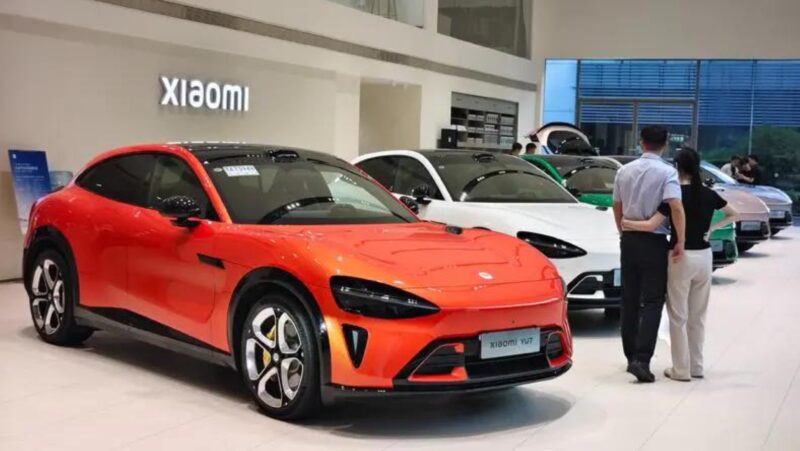
Xiaomi Auto is facing a classic a “good problem to have” that has spiraled into a serious challenge. The launch of its YU7 electric SUV was a blockbuster success, with the company reporting over 240,000 locked-in orders just 18 hours after it went on sale. This explosive demand, however, has overwhelmed its production capacity, creating a production bottleneck that rivals are all too happy to exploit.
For customers, the excitement of ordering a new YU7 is now tempered by a long wait. Depending on the trim, estimated delivery times stretch from 38 to a staggering 60 weeks. If you want the top-tier Max version, you’re looking at about 9.5 months. But for the Standard model, it could be a 15-month wait. It’s a tough pill to swallow, especially since Xiaomi’s app requires customers to manually lock in their orders after paying a deposit, which becomes non-refundable. There is a seven-day grace period for configuration changes, but after that, you’re committed to the wait.
All Hands on Deck
Xiaomi’s leadership isn’t sitting idle. Founder and CEO Lei Jun has taken to social media to reassure customers, stating that the company is pulling out all the stops to speed up deliveries. The PR department echoes this, noting that delivery estimates are dynamic and should improve as production scales up.
The core of the issue lies in the company’s manufacturing footprint. Xiaomi’s first EV plant in Yizhuang has an annual capacity of 150,000 vehicles. Since June 2024, it’s been running a two-shift system to maximize output. However, this facility is also responsible for building the earlier SU7 sedan, which leaves limited bandwidth for the new YU7.
The immediate solution is the F2 factory, a second phase facility also in Yizhuang. It’s in the final stages of a frantic ramp-up and is expected to start rolling cars off the line in July. The company has launched a massive recruitment drive, seeking general workers, operators, and trailer drivers for 11-hour shifts with a daily wage of 230 yuan (around $32).
Looking further ahead, Xiaomi is already planning for a potential F3 (phase 3). In March, a 52-hectare plot next to its current factories was rezoned for industrial use. More concretely, Xiaomi just spent 635 million yuan (about $87 million) in June for another plot in Yizhuang New City, officially designated for a new energy vehicle project. While the company hasn’t confirmed it’s for an F3 factory, it’s clear Xiaomi is in a desperate race to expand its manufacturing muscle.
Rivals Smell Blood in the Water
The frenzy around the Xiaomi YU7 hasn’t gone unnoticed. In the hyper-competitive Chinese EV market, a rival’s problem is an opportunity. Competitors are swooping in with tempting offers for frustrated YU7 order-holders.
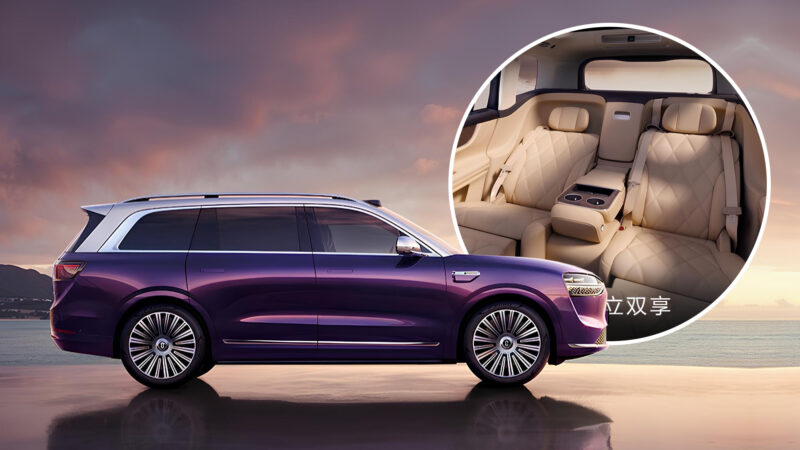
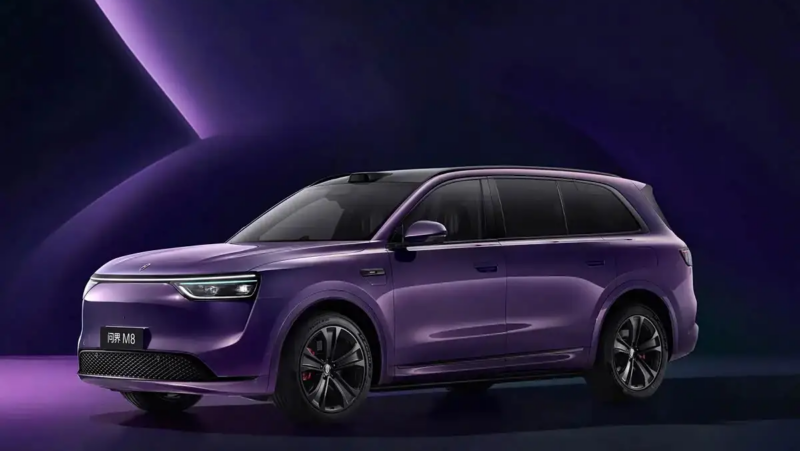
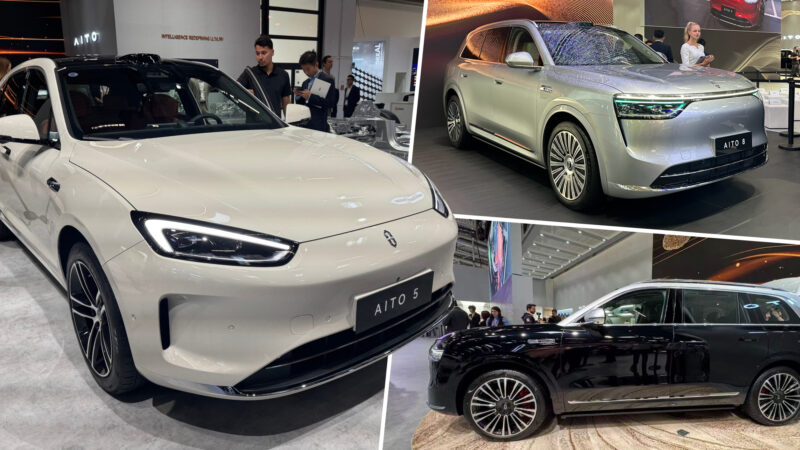
Brands like Avatr, Zeekr, IM Motors, and Nio are dangling incentives like reimbursing the non-refundable Xiaomi deposit and promising immediate delivery of their own competing models. Huawei’s Aito brand has been particularly aggressive, offering subsidies up to 60,000 yuan (approximately $8,270). Even Tesla isn’t staying quiet, announcing upgrades for its Model 3 and Model Y Long Range variants to keep potential customers from straying.
The reactions from rival executives have been telling. Xpeng CEO He Xiaopeng publicly placed an order for a YU7, a move that’s part curiosity and part competitive analysis. Nio’s Onvo division put its L60 SUV in a head-to-head comparison with the YU7, highlighting its own strengths. The pressure is mounting, and Xiaomi’s ability to get its second factory running at full speed will be the ultimate test of whether it can convert its viral success into a sustainable market position. Hefty demand is a great headline, but in the EV world, delivering the car is what truly counts.