
Xpeng just threw open the doors to the future of mobility at its 2025 AI Day, unveiling some seriously ambitious projects. We are talking about navigation-free robo cars, L4-level Robotaxis, a six-seat modular flying car dubbed the A868, and a fresh take on their humanoid robot, Iron. Big news also dropped as Volkswagen signed on as the first strategic partner for Xpeng’s second-generation VLA (Vision-Language-Action) system and their cutting-edge Turing AI chips. These moves paint a clear picture of Xpeng’s expansive vision, stretching across autonomous driving, personal air travel, and humanoid robotics.
The Brains Behind the Breakthrough
Xpeng’s second-generation VLA model isn’t just for internal use, it is set to be open source for global commercial partners. This VLA 2.0 system is essentially the computational backbone for Xpeng’s next-gen intelligent mobility, powering everything from regular vehicles to Robotaxis, modular flying cars, and even robots. It runs on Alibaba Cloud’s computing cluster, which boasts 30,000 GPUs now and is set for a massive expansion to 50,000 to 100,000 GPUs next year. The VLA 2.0 operates on a 720-billion-parameter architecture and gets full-chain updates every five days. This means vehicles can independently reason in various scenarios, reacting to hand gestures,traffic lights, and pedestrian signals. Plus, its “small road NGP” function reportedly boosts performance on intricate roads by a factor of 13 compared to the previous iteration.
At the core of Xpeng’s VLA 2.0 autonomous driving system lies the Turing chip platform. A standout feature coming is a navigation-free assisted driving mode that plays nice with international legal frameworks. This means Xpeng vehicles will eventually be able to operate anywhere without needing pre-loaded route data. Early adopters can expect to see this roll out in December 2025, with a full debut on top-tier Xpeng models, the P7 Ultra and G9 Ultra, slated for the first quarter of 2026.
Volkswagen and Xpeng: A Powerful Partnership
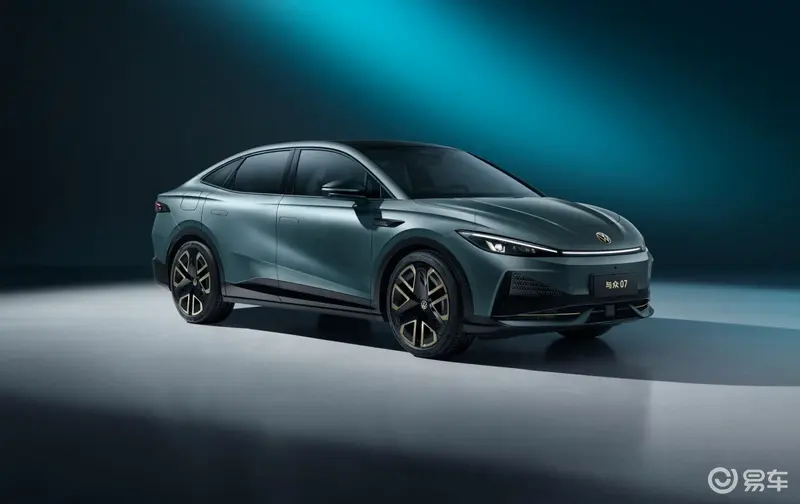
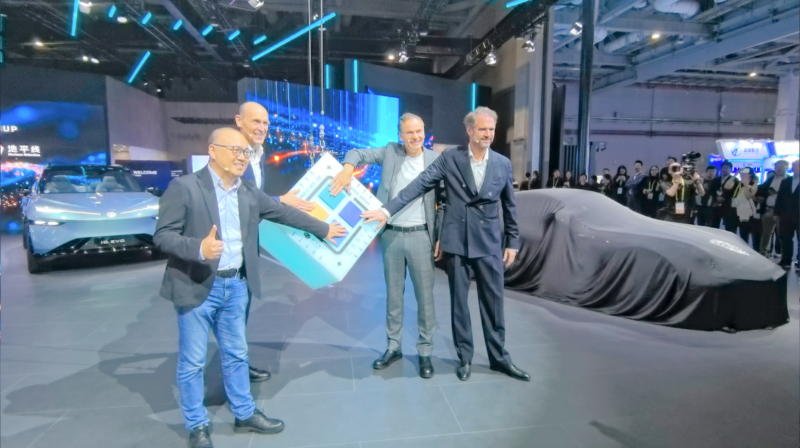
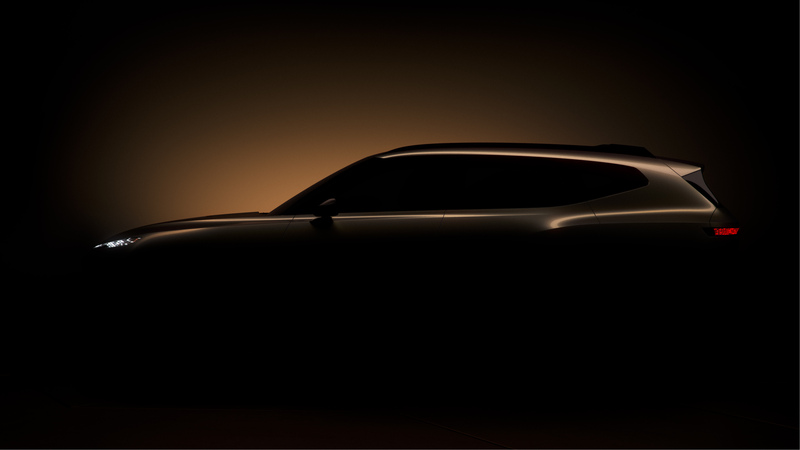
Volkswagen has officially stepped forward as Xpeng’s initial strategic customer for the VLA 2.0 model. Not only that, but Xpeng’s in-house developed Turing AI chip will be integrated into Volkswagen vehicles. This marks the sixth collaboration between these two automotive giants, building on previous ventures in electrical architecture and ultra-fast charging networks. It seems Volkswagen is serious about leveraging Chinese tech to accelerate its EV ambitions, as seen with their new ID. Era EREV crossover launching in 2026 and the ID.Unyx 07 nearing production after just 18 months of Chinese-led development.
The VLA system works hand-in-hand with Xpeng’s VLM (Vision-Language Model), making for super-fast interactions between driver, vehicle, and the autonomous system. The in-cabin processor delivers a robust 750 TOPS, supporting multilingual voice assistants, quicker responses, better privacy, and expanded features. Together, VLA 2.0 and the Turing AI platform are the beating heart of Xpeng’s next-gen mobility ecosystem.
Robo Cars, Robotaxis, and the Sky’s the Limit
Looking down the road, Xpeng plans to roll out an L4-level-capable version aptly named “Robo” on select models in 2026. This Robo version will pack four Turing chips, pumping out an impressive 3,000 TOPS of computing power, offering two distinct driving modes and exceeding the autonomous capabilities of even the Max and Ultra versions.
Next year, Xpeng will also introduce three Robotaxi models with similar hardware. These vehicles, built for Level 4 autonomous driving, will commence trial runs in Chinese cities like Guangzhou. They will feature external interaction functions to communicate driving intentions and support an open SDK for global partners. Amap has already been confirmed as the first global ecosystem partner for this platform.
But wait, there is more. Xpeng also showed off its A868 modular tilt-rotor flying car under the Xpeng AeroHT brand at the 2025 Tech Day. The A868 is a hybrid capable of carrying six passengers, boasting a 500 km plus range and a top speed over 360 km/h. Its vertical takeoff capability means runways are a thing of the past.
The A868 forms part of Xpeng AeroHT’s dual-pronged strategy for flying mobility systems: a ground-based personal low-altitude flight experience set for mass production in 2026, and the A868 for those longer, multi-passenger journeys. Xpeng has even announced the industry’s first flying car-specific license, complete with one-on-one professional training. The system is designed for simplicity, allowing “single-hand flight” using just one display and a single control stick.
The Rise of Iron: Xpeng’s Humanoid Robot
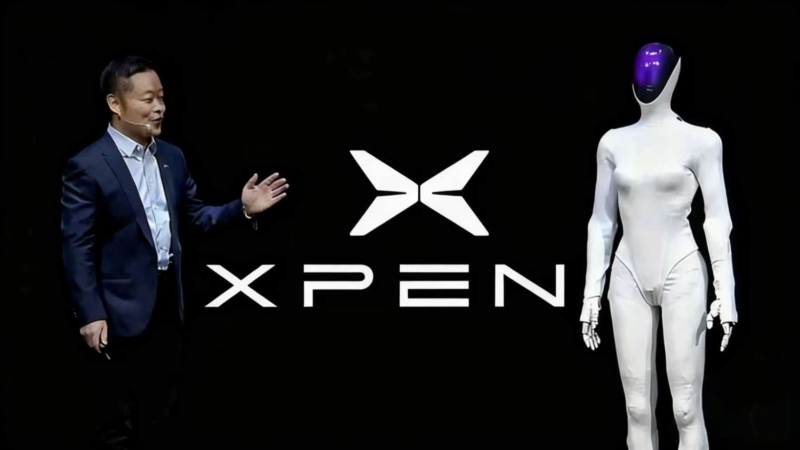
Not content with dominating land and air, Xpeng unveiled its new-generation Iron humanoid robot. This bot is all about easier commercialisation, wider applications, and data collection. Iron moves with natural fluidity, sporting a highly articulated, human-like body with 22 degrees of freedom in its hands, a biomimetic spine and muscles, and a 3D curved head display for engaging interactions. It is powered by three Turing AI chips and Xpeng’s second-gen VLA system, delivering 2,250 TOPS for advanced dialogue, walking, and interaction. Iron uses an all-solid-state battery for lightweight, safe operation, and comes with active safety and privacy protections. Xpeng anticipates large-scale production by late 2026 and plans to open an SDK for global developers, aiming to foster a thriving humanoid robot ecosystem.
Xpeng is clearly on a mission to become a global leader in embodied intelligence. Their new headquarters and intelligent manufacturing facility in Guangzhou are opening their doors in December. This facility showcases multi-level automated parking and an exhibition space celebrating Xpeng’s mobility and robotics innovations. With expanding offices nationwide, Xpeng is gearing up for large-scale production of robots, robo cars, Robotaxis, and modular flying vehicles, solidifying their long-term vision of integrating advanced physical AI technologies across global mobility and robotics platforms.