
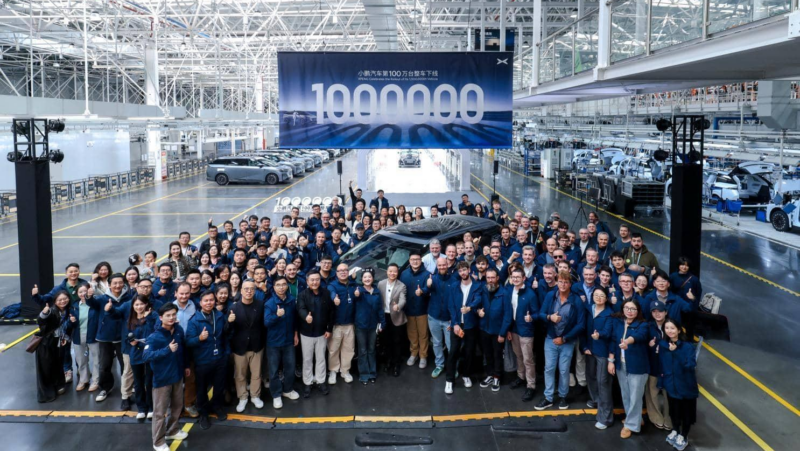
Xpeng just hit a massive milestone, rolling its 1,000,000th vehicle off the production line. What’s truly impressive isn’t just the number, but the speed. The journey to the first 500,000 vehicles took a lengthy 82 months. The next 500,000? Just 14 months. That’s a serious acceleration in growth.
Much of this momentum comes from the runaway success of the Mona M03, an affordable model launched last year. This single car accounts for a staggering one-fifth of Xpeng’s total sales, with 200,000 units delivered in the last 14 months alone. It proves that in the world’s most competitive EV market, value and volume are king.
The Million-Unit Club Heats Up
Xpeng is the latest to join a growing club of Chinese EV startups reaching the million-vehicle mark, but the race is far from uniform. Among the new players, Li Auto was the first to cross the finish line last October. This September, Stellantis-backed Leapmotor followed suit.
Meanwhile, Xiaomi Auto, a relative newcomer, is already showing incredible pace. It took them about 20 months to hit 500,000 deliveries, and it looks like they’re on track to reach their first million faster than anyone else.
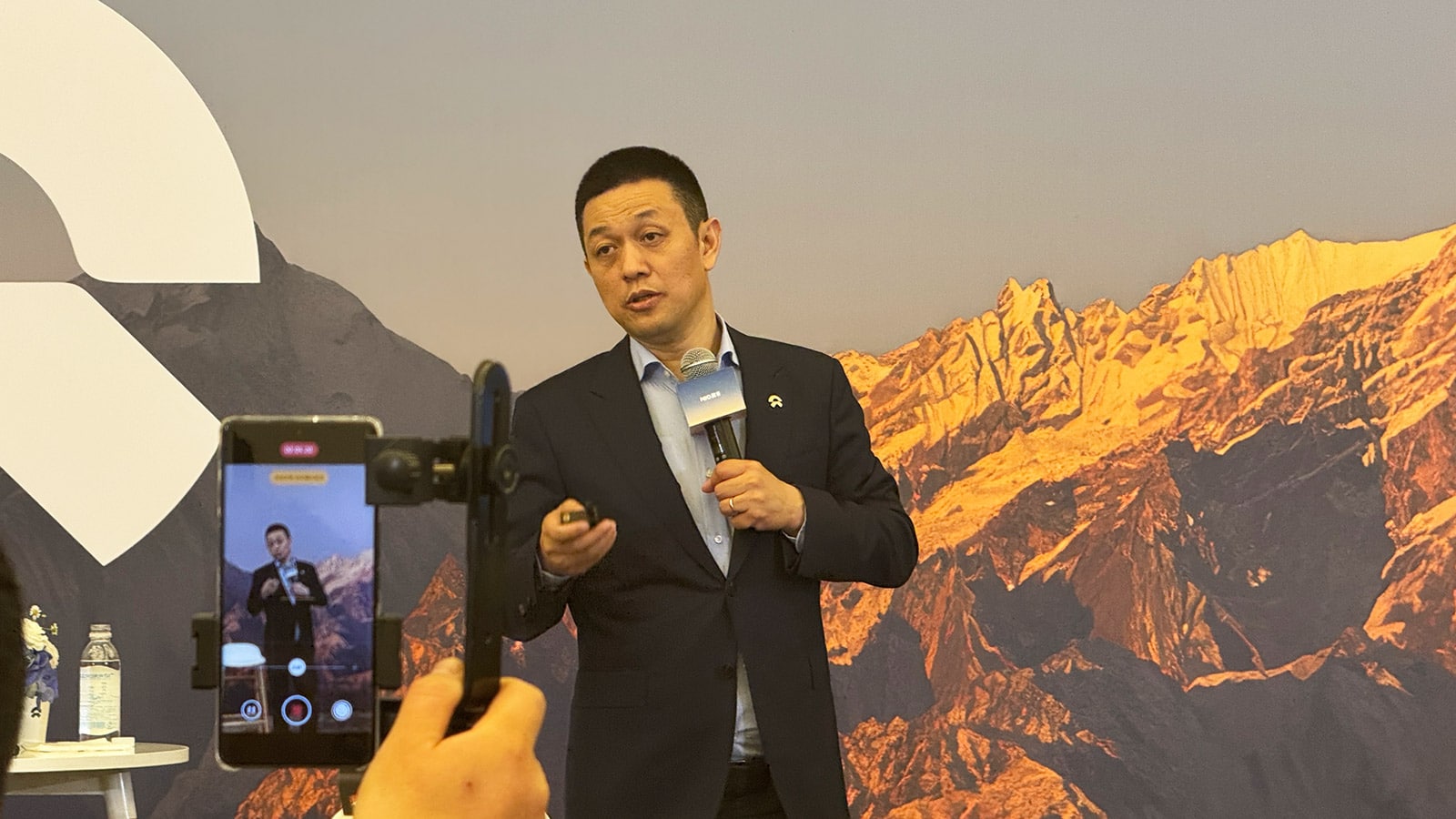
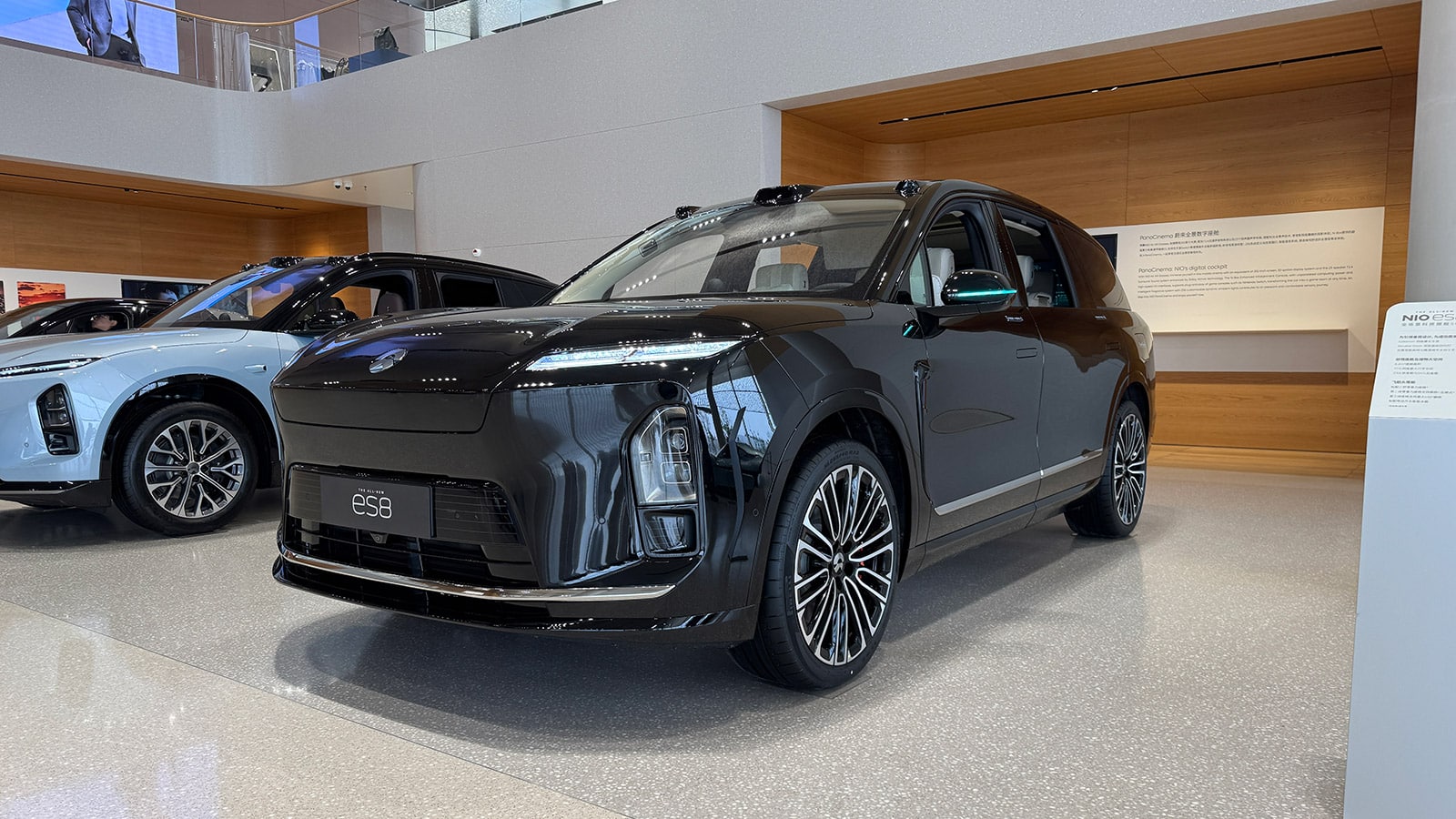
Then there’s Nio, which is creeping right up to the line. With 913,182 vehicles delivered across its brands (including Onvo and Firefly) as of October 31, 2025, it’s practically guaranteed to join the million club before the year is out.
The Great Divide: Pure Electric vs. Hybrids
Not all paths to a million are created equal. The strategic approaches between these companies tell a fascinating story about the Chinese market. Li Auto found its sweet spot with extended-range EVs (EREVs). These vehicles use smaller, cheaper batteries and have a gasoline engine to eliminate range anxiety, a strategy that helped them scale quickly. Leapmotor followed a similar playbook, offering EREVs at an even more accessible price point.
On the other hand, Nio, Xiaomi, and Xpeng have, until recently, sold only pure-electric vehicles. This purist approach makes the million-unit milestone a tougher climb, as it requires convincing customers to go all-in on battery power without a gas-powered safety net.
This trend is already starting to shift. Xpeng has begun building extended-range models, and Xiaomi is expected to launch its own EREV lineup next year. As its rivals pivot to hybrids to capture a wider audience, Nio might soon be the only major Chinese startup left holding the torch for pure-electric vehicles.