
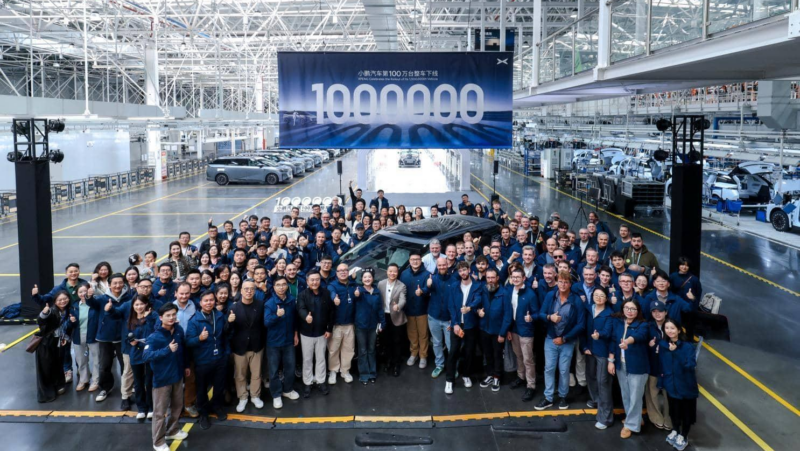
Yesterday, Xpeng didn’t just hit a milestone; it absolutely smashed it, with its one-millionth vehicle rolling off the production line. This isn’t just a number, it’s a testament to the relentless drive and innovation shaping China’s burgeoning EV landscape. And guess what? A huge chunk of that success, a full one-fifth, comes courtesy of their incredibly popular and affordable Mona M03.
The Million-Unit Leap: Xpeng’s Electrifying Ascent
Think about this: Xpeng’s CEO, He Xiaopeng, revealed it took a solid 82 months to crank out their first 500,000 vehicles. That’s a journey of grit and determination. But the real mind-blower is how they doubled that in a mere 14 months, catapulting from half a million to a full million. This isn’t just growth; it’s an acceleration that would make a drag racer blush. It shows a company hitting its stride, refining its processes, and truly understanding what drivers want.
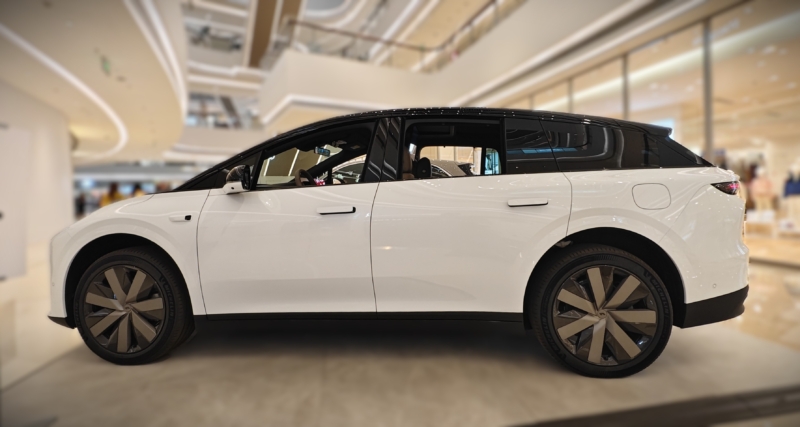
At the heart of this incredible surge is the Xpeng Mona M03. Launched just last year, this car has clearly struck a chord, contributing a whopping 200,000 units to Xpeng’s million-unit tally. This isn’t just another EV; it’s a game-changer for the brand, proving that affordability and cutting-edge electric performance can indeed go hand in hand.
Mona M03: The People’s Champion
The Mona M03 isn’t just selling units; it’s building a legacy. In a separate announcement, Xpeng confirmed that this powerhouse model reached 200,000 deliveries in only 14 months. What makes the Mona M03 such a force? It’s all about hitting that sweet spot where practicality meets pure electric joy. This car offers a genuinely compelling package, making electric vehicle ownership accessible and exciting for a broader audience. It’s a daily driver that doesn’t just get you from A to B; it does it with a certain electric swagger.
The Million-Club: A Shifting Landscape
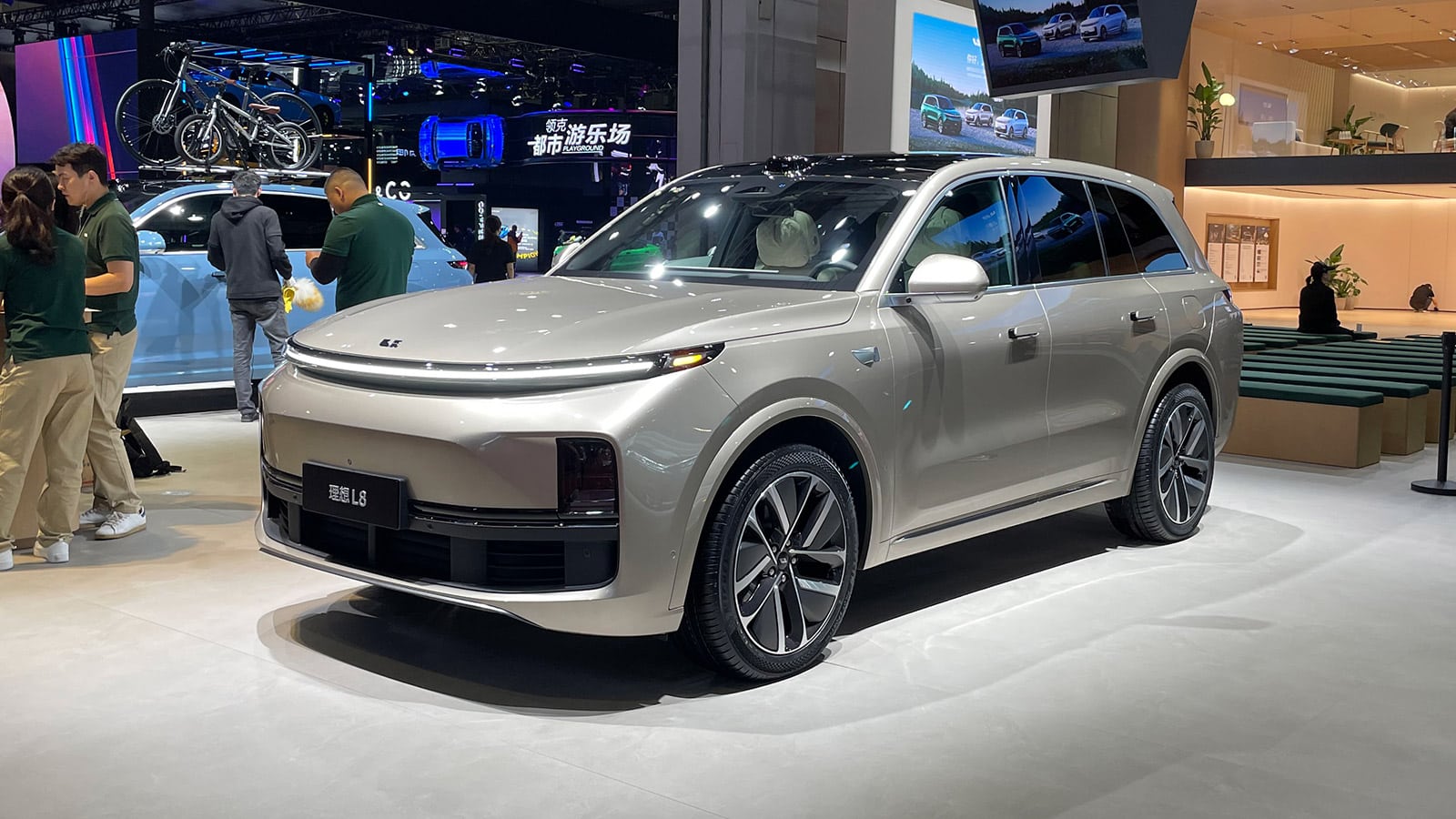
Xpeng isn’t alone in this race to a million. Other EV startups are making their own waves. Li Auto was the first to cross this monumental threshold last October, showcasing the power of extended-range EVs. Then, Stellantis-backed Leapmotor joined the club in September this year. Xiaomi Auto, despite starting deliveries only last year, delivered its first 500,000 vehicles in about 20 months, meaning it’s on track to hit a million units faster than anyone else, proving that the tech giants are serious about cars.
Nio is also hot on the heels of the million-unit mark. As of October 31, 2025, cumulative Nio-group deliveries, including Onvo and Firefly, totaled 913,182 vehicles. With current delivery rates, they are all but guaranteed to join the “million club” this year. The competition is fierce, and that’s great news for us enthusiasts!
Pure Electric Versus the Hybrids: A Strategic Divide
There’s a fascinating divergence in strategies among these players. Li Auto, for example, has focused heavily on extended-range EVs. Their smaller batteries mean lower costs, and the ability to run on gasoline effectively banishes range anxiety, making them a runaway success. Leapmotor, in many ways, offers a similar value proposition, but at an even more aggressive price point.
However, Xpeng, alongside Nio and Xiaomi, has largely championed pure-electric vehicles. This path, while arguably more challenging in terms of infrastructure and consumer perception, represents a bolder commitment to a fully electric future. It shows a dedication to pushing the boundaries of what EVs can do, focusing on pure performance and zero-emission driving. Xpeng has already started building extended-range models, and Xiaomi is set to launch its own hybrid lineup next year. This shift signals a pragmatic response to market demands and consumer preferences, offering a wider array of choices. It seems Nio might soon be the lone wolf, sticking purely to electric vehicles in China, a potentially powerful differentiator in an increasingly crowded market.
This landscape is constantly evolving, with manufacturers adapting their strategies to capture a larger slice of the pie. The blend of innovative technology, consumer focus, and fierce competition makes the Chinese EV market one of the most exciting automotive arenas on the planet.