
Xpeng just dropped its Q4 2025 financial results, and while the numbers themselves are interesting – especially the hints at growing margins – it’s what the company is saying *after* the earnings call that’s really got my attention.
Forget just cars for a second, because Xpeng is going full sci-fi. They’ve started building a dedicated factory in Guangzhou for their humanoid robots, aiming for thousands of units rolling off the line monthly by year-end. The next-gen ‘Iron’ robot is slated for mass production by the end of 2026, boasting three Turing AI chips. To put that in perspective, Xpeng claims its computing power dwarfs what’s currently out there in the robotics space. We’ve seen other players like Unitree pushing boundaries with their robots, but Xpeng’s industrial-scale ambition is a different beast entirely.
What’s the play here? Xpeng sees Iron fitting into commercial roles – think service, guiding customers at their own dealerships, or sales assistance, even overseas. They’re focusing on the robot’s ‘brain’ for decision-making and its ‘cerebellum’ for motion control, building up data for what they call ‘embodied intelligence.’ It sounds ambitious, but if Xpeng can nail mass production and supply chain like they have with cars, they might actually become a major global player in robotics. They’re betting big, too, predicting the physical AI market could eventually dwarf the auto industry and that both robotaxis and humanoid robots will hit multi-trillion-yuan markets globally.
Ramping Up AI Investment and Chip Production
This isn’t just a side project. Xpeng is pouring more money into AI R&D, with a projected 7 billion yuan investment this year alone in physical AI. Their in-house Turing AI chips have already surpassed 200,000 cumulative shipments, and they’re aiming for a cool million units by the end of 2026. The big news for car buyers? Starting Q2 this year, Xpeng’s entire lineup, including the higher-end Max variants, will transition to these in-house Turing chips. They’re even opening up their Turing chips and AI solutions to other automakers, AI companies, and suppliers. It’s a bold move, essentially positioning Xpeng as an AI hardware and solutions provider.
New Models and Autonomous Driving Prowess
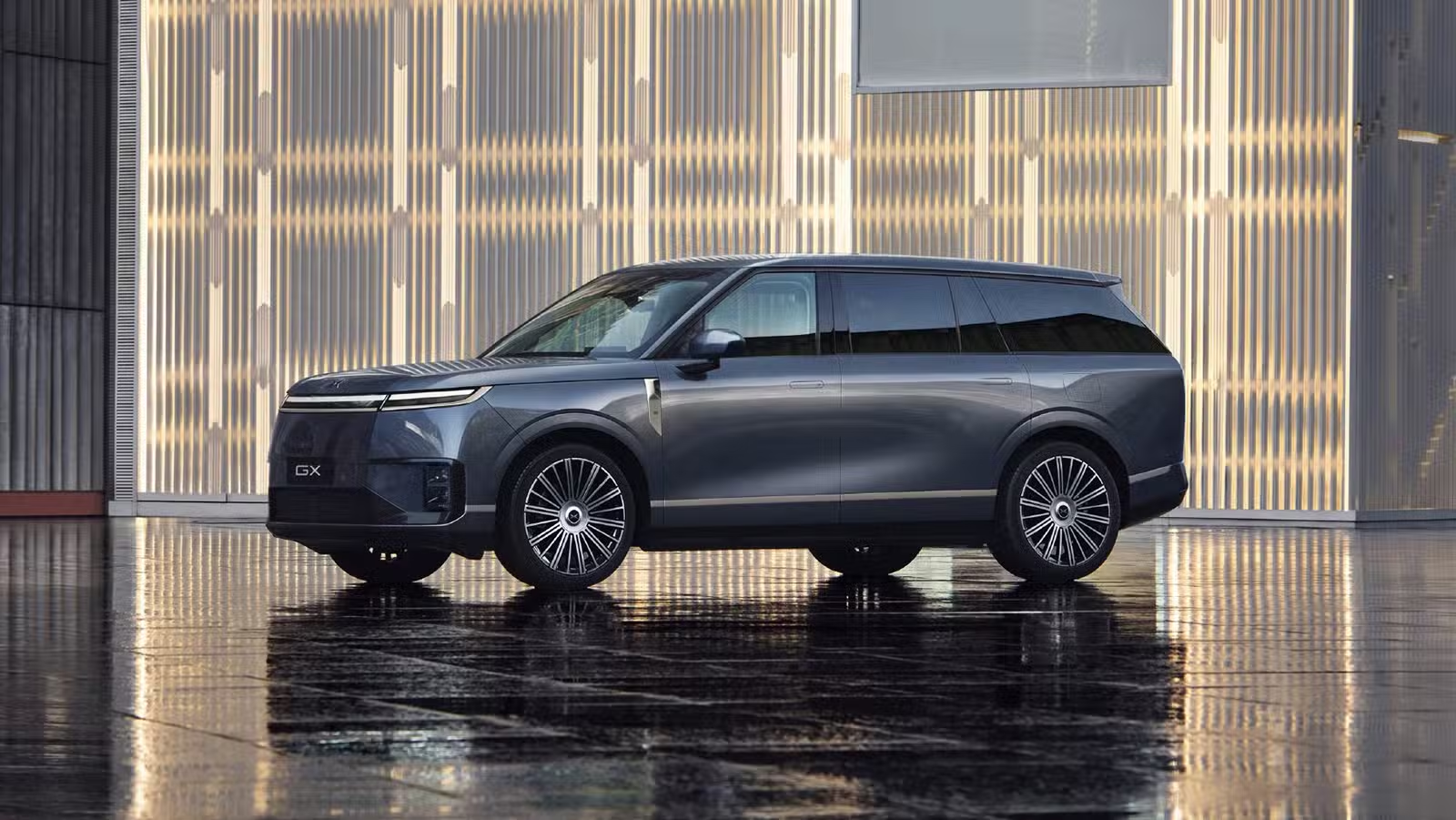
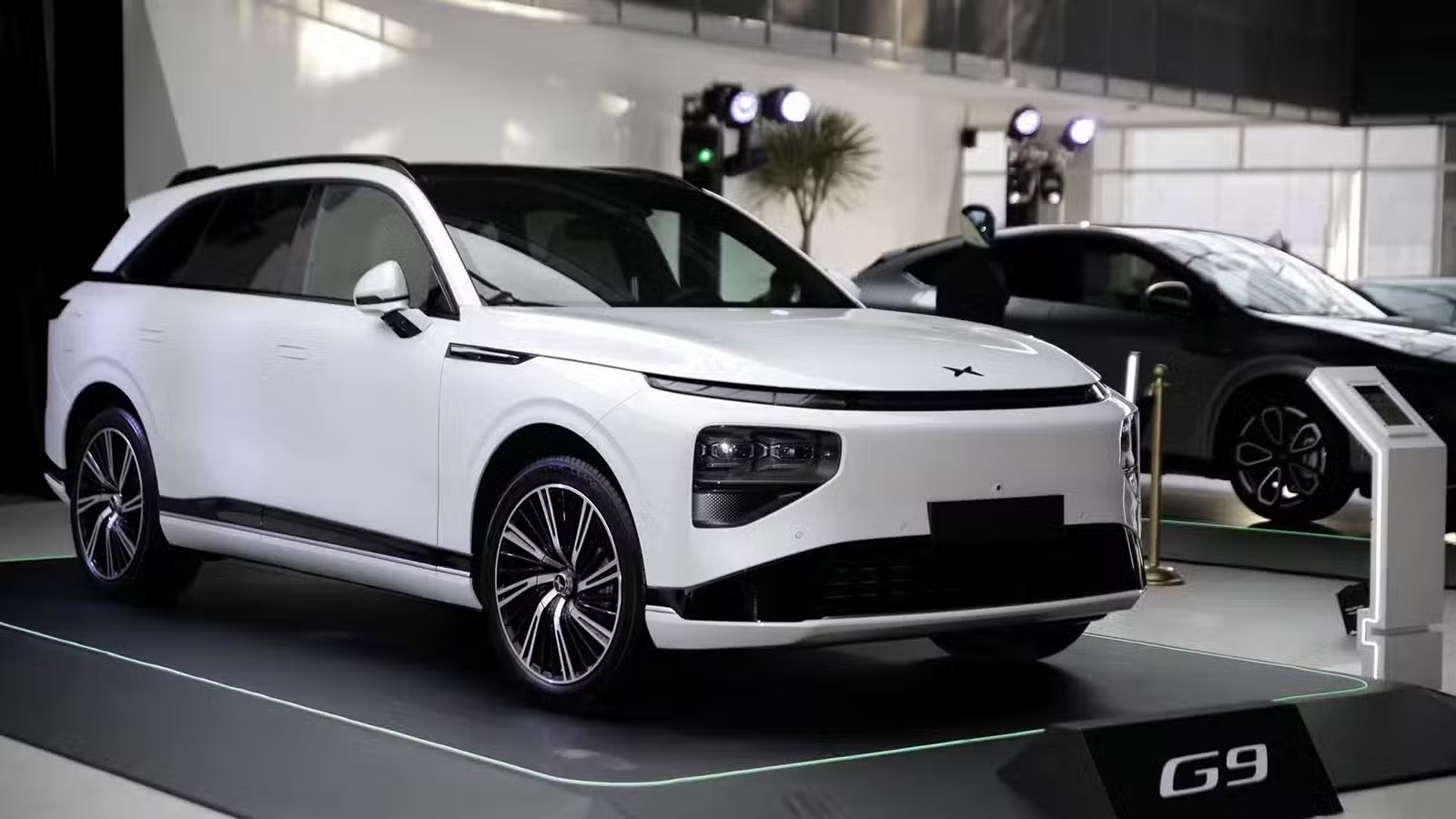
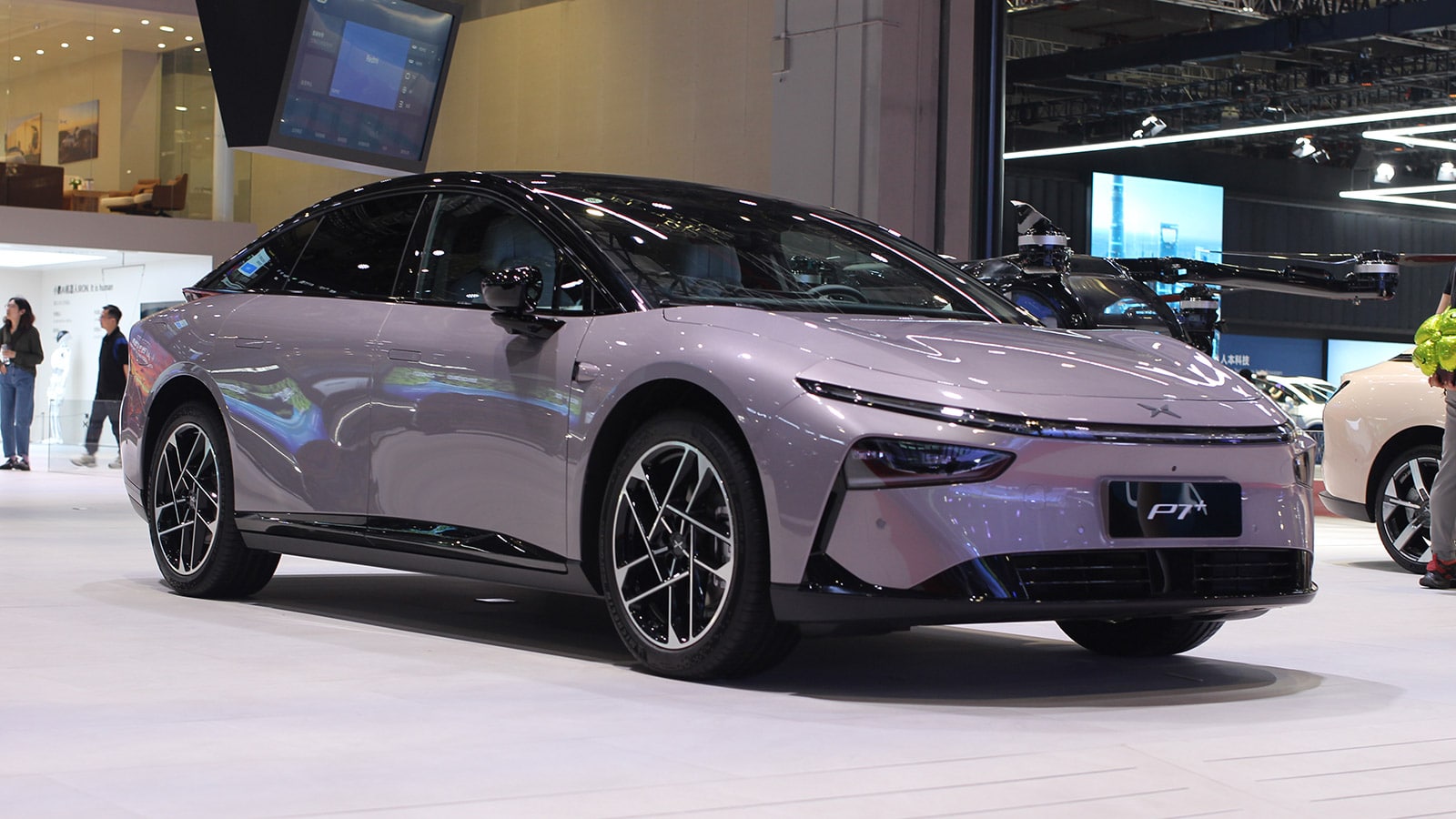
Back to the cars. Xpeng plans to launch four new models this year, and importantly, all of them will be capable of Level 2+ to Level 4 autonomous driving. The GX SUV is set to officially launch in the second quarter, signaling a significant expansion of their product lineup. Xpeng’s stores are already buzzing with activity, with test drives for the second-gen VLA doubling in March. With these new models hitting the road, the company is confident they’ll see a substantial sales boost quarter-over-quarter. This push for new products and advanced ADAS capabilities is crucial as they navigate a competitive market, even as some technologies like solid-state batteries face delays from other manufacturers, such as Dongfeng pushing theirs back to 2027.
For potential buyers, Xpeng’s increased focus on in-house AI and autonomous driving tech is a significant differentiator. The question remains whether this ambitious pivot into robotics will distract from their core automotive business or synergize with it. Given their track record with EVs, and the potential for massive market growth in AI, it’s a gamble that could pay off handsomely. If you’re looking at Xpeng, keep an eye on how these AI and robot initiatives develop alongside their vehicle launches – it’s all part of a much bigger, and potentially very profitable, picture. For those curious about Xpeng’s financial journey, you can catch up on the latest updates from their earnings calls.