
Quick Specs & Metrics
Peak Power Generation Efficiency: 4.8 kWh per liter
Fuel Savings: Up to 50% compared to conventional range extenders
Output Range: 15 kW to 600 kW
Applications: Long-haul trucks, urban buses, mining vehicles, port machinery, agricultural equipment
A Game-Changer in Hybrid Tech
Yuchai Group, a Guangxi-based powertrain manufacturer with a storied history of partnerships with industry giants like Rolls Royce Power Systems, Dongfeng, and BAIC, has just unveiled its groundbreaking Flywheel Range Extender System. This isn’t just another incremental update—it’s a revolution in hybrid technology, especially for commercial vehicles and heavy machinery.
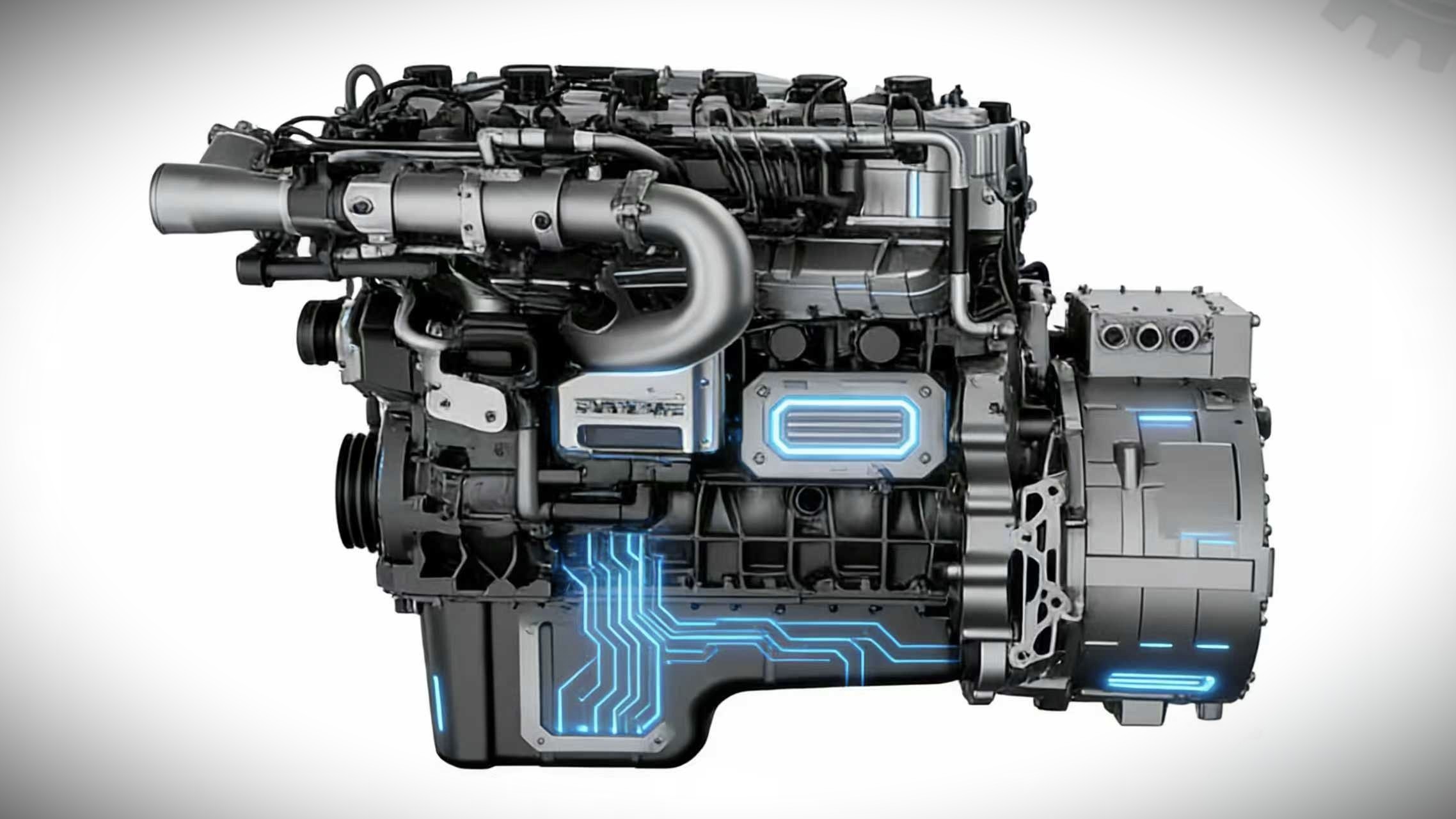
At its 2026 Global Partner Conference, Yuchai introduced this system as the world’s first flywheel-based range extender. What makes it stand out? It’s not just about efficiency; it’s about rethinking how hybrid systems work. Instead of the traditional setup where an internal combustion engine and generator motor operate separately, Yuchai’s system integrates the flywheel directly with the engine crankshaft. This unified structure eliminates unnecessary components, boosting reliability and reducing maintenance needs.
How It Works: Simplicity Meets Brilliance
The Flywheel Range Extender System is a masterclass in electromechanical integration. By combining the flywheel and engine into a single unit, Yuchai has streamlined the entire system. Intelligent coupling control algorithms and adaptive energy management strategies ensure optimal performance across various operating conditions. The result? A system that’s not only more efficient but also more durable—Yuchai claims it can run its entire service life without scheduled maintenance.
In terms of efficiency, the system shines. The engine’s high-efficiency operating range overlaps perfectly with the generator’s, maximizing energy output. For diesel applications, Yuchai boasts a peak power generation efficiency of 4.8 kWh per liter and a staggering 50% fuel savings compared to conventional range extenders. That’s a big deal for industries where fuel costs are a major expense.
Applications That Matter
This isn’t just tech for tech’s sake. Yuchai’s Flywheel Range Extender System is already making waves in practical applications. From long-haul logistics trucks to urban buses, mining vehicles, port machinery, and even large agricultural equipment, the system’s versatility is impressive. Output ranges from a modest 15 kW to a robust 600 kW, catering to a wide array of needs.
Major manufacturers like FAW Jiefang, Dongfeng, XCMG, Sany, and Caterpillar have already adopted Yuchai’s technology. This speaks volumes about its potential to reshape industries reliant on heavy machinery and commercial vehicles.
Why This Matters for the Chinese Market
China’s automotive and industrial sectors are undergoing a seismic shift, driven by stringent emissions regulations and a push toward electrification. Yuchai’s innovation is a testament to how Chinese manufacturers are leading the charge in developing sustainable, efficient technologies. Unlike some global peers who focus solely on passenger EVs, Yuchai is addressing the often-overlooked commercial and industrial sectors.
What’s more, Yuchai’s approach reflects broader trends in the Chinese market: rapid innovation, cost efficiency, and a focus on practicality. While companies like BYD dominate the passenger EV space, Yuchai is carving out a niche in heavy-duty applications. This dual-track approach ensures China remains a global leader in both consumer and industrial electrification.
The Future of Hybrid Tech
Yuchai’s Flywheel Range Extender System isn’t just a product; it’s a glimpse into the future of hybrid technology. By addressing the unique challenges of commercial and industrial vehicles, Yuchai is paving the way for a more sustainable, efficient future. As the system rolls out across various applications, it’s clear that Yuchai is not just keeping up with the times—it’s setting the pace.
For industries where downtime and fuel costs are critical, this innovation could be a game-changer. And for the rest of us, it’s a reminder that the future of transportation isn’t just about cars—it’s about every vehicle that keeps the world moving.