
What happens when one of China’s tech giants makes a bold move to consolidate software within its automotive empire? ECARX’s recent acquisition of the Flyme software business from DreamSmart Group for a substantial RMB 1.8 billion ($266 million) is turning heads in the industry, and for good reason.
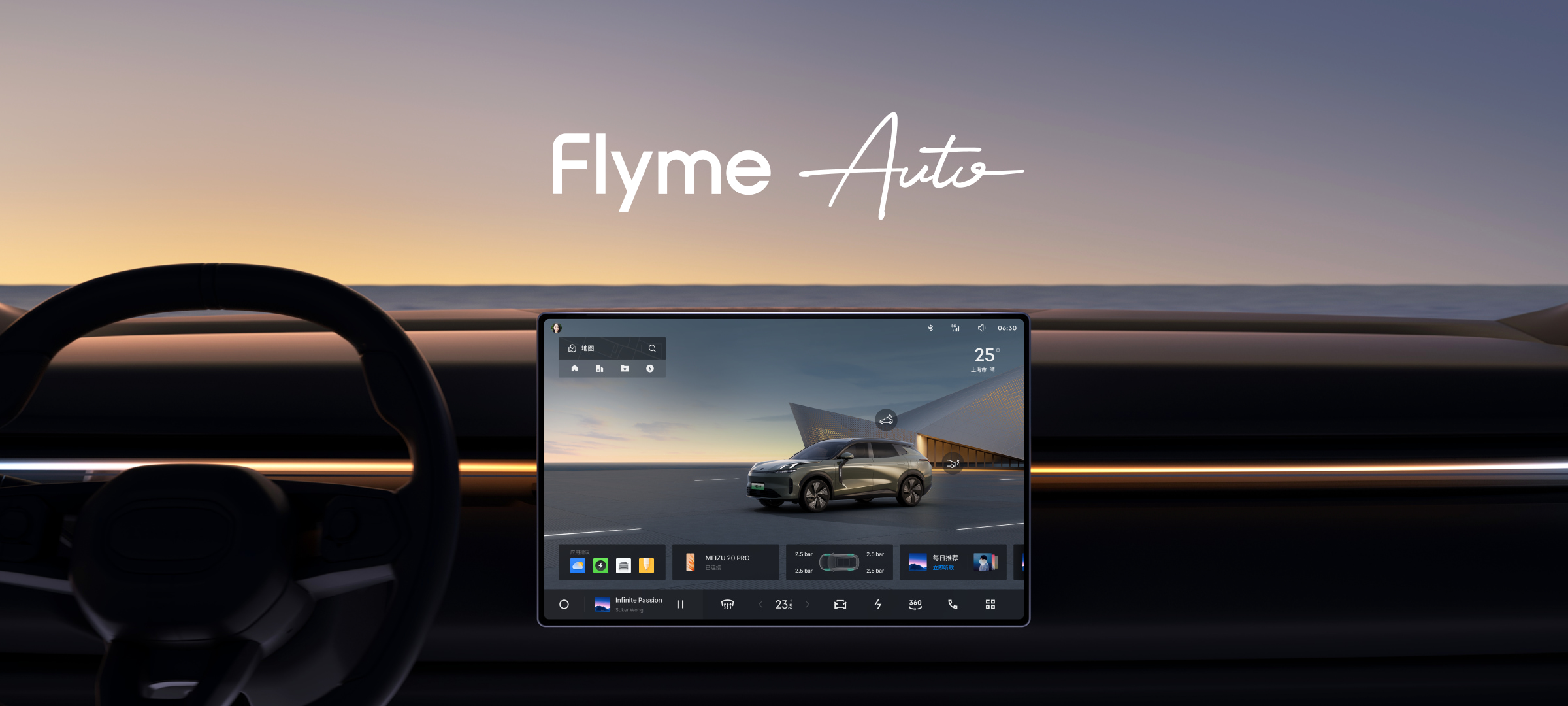
This acquisition brings Hubei Qiguang Technology under ECARX’s wing, including the Flyme Auto intelligent cockpit operating system and a wealth of related intellectual property. It’s a strategic grab that strengthens ECARX’s software portfolio, linking automotive hardware directly with cockpit software and computing platforms. In short, it’s a move that could change the game for integrated vehicle tech.
Once the ink dries, Flyme will become part of ECARX’s lineup, running as an independent software division to keep customer projects on track. ECARX plans to pump an additional RMB 200 million ($29 million) into Hubei Qiguang Technology, ensuring the new acquisition has the fuel it needs for future innovation and commercial growth.
Flyme’s Rapid Rise in the Smart Cockpit Market
Flyme Auto’s growth has been nothing short of impressive. By May 2026, the platform had been installed in over 3 million vehicles across 45 production models, a significant leap from just 500,000 installations in early 2025. This makes Flyme one of the fastest-growing cockpit operating systems in China.
| Metric | Value | Notes |
|---|---|---|
| Total Installations | 3 million | Across 45 models |
| Initial Installations (2025) | 500,000 | Before rapid growth |
| Investment Post-Acquisition | RMB 200M | For product development |
ECARX’s decision to integrate Flyme into its operations isn’t just about numbers. It reflects a growing trend in the automotive world where software-defined vehicles are gaining traction. As hardware becomes less of a differentiator, the focus shifts to who can offer the smartest, most seamless integration.
Implications for the Geely Ecosystem
Before ECARX’s acquisition, Flyme Auto was already deeply embedded with Geely’s brands like Geely Auto, Galaxy, and Zeekr. However, operating as a separate entity meant that there were inevitable coordination hiccups. Now, with Flyme under ECARX’s roof, those inefficiencies could be a thing of the past. This acquisition could streamline the development process and improve collaboration across Geely’s various brands.
This isn’t just an internal matter; it’s indicative of a broader industry trend. With the shift from hardware to integrated software solutions, companies like ECARX are positioning themselves to lead in China’s intelligent vehicle market. The question for consumers is whether these integrated systems will translate into better driving experiences and, ultimately, better cars.
For those considering a new vehicle, the prospect of enhanced smart cockpit features might be appealing. However, it’s worth considering how these systems will perform in the real world and whether the support infrastructure—like software updates and customer service—can keep up.
ECARX’s move to bring Flyme in-house is a significant step, not just for the company but for the entire Geely ecosystem. If you’re interested in how this acquisition might affect the future of smart vehicles, check out our coverage onGeely’s strategic moves in Europeor learn aboutLi Auto’s latest AI advancements.
Stay tuned as we continue to follow ECARX’s journey and what it means for the future of Chinese automotive technology.