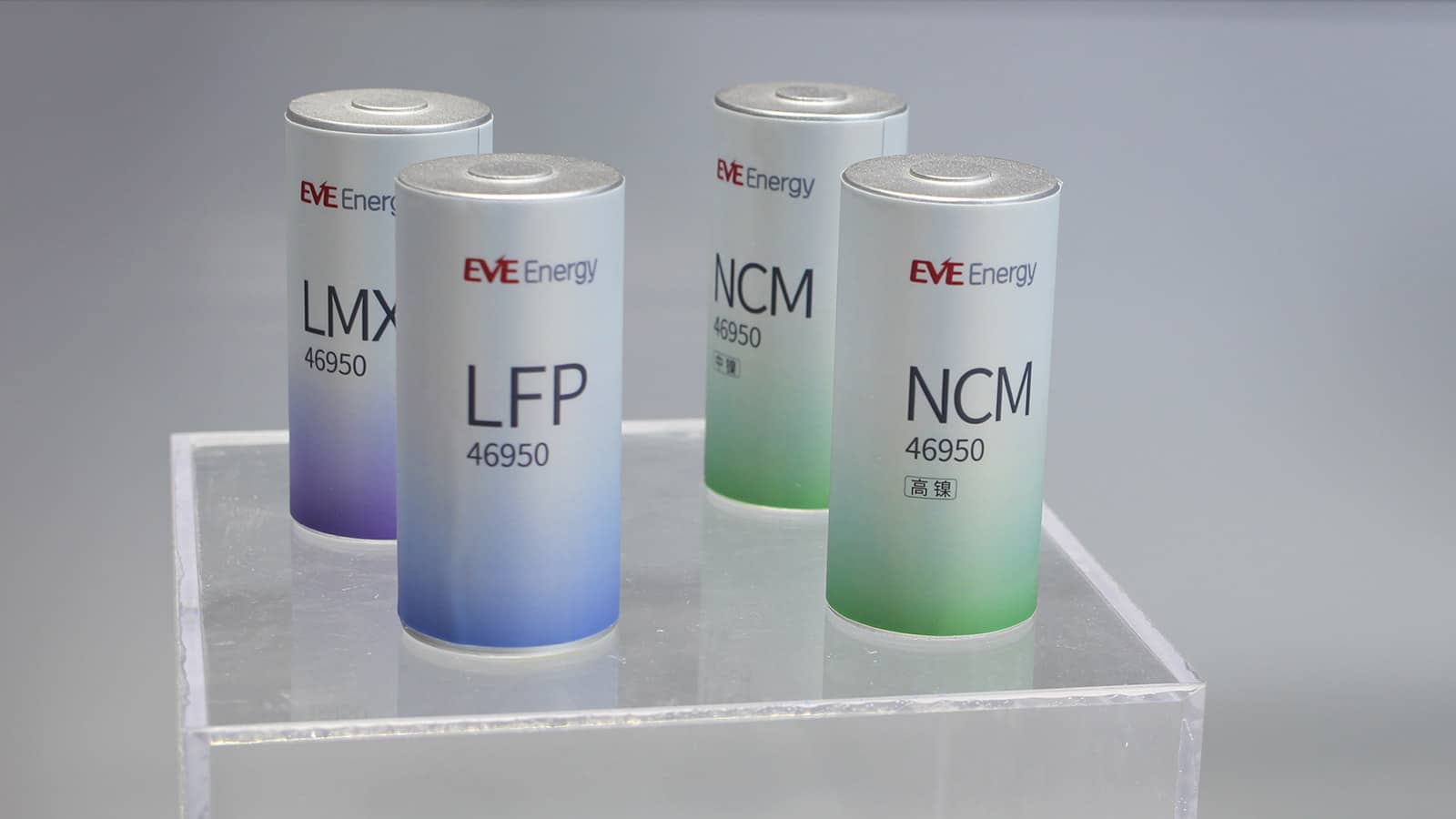

Ever wondered how new regulations can shake up an entire industry overnight? Well, that’s exactly what’s happening with China’s new battery standards set to take effect on July 1st. These regulations, known as GB/T 43568-2026, are redefining what it means to be a solid-state battery, and it’s sending ripples through the supply chains of major players like CATL and BYD.
So, what’s the big deal? The rulebook declares that any battery containing between 5% and 20% liquid electrolyte will now be considered a hybrid system. To be classified as a true all-solid-state battery, it must drop below that 5% threshold while also meeting specific thermal stability requirements. This is no small tweak—it affects everything from how batteries are manufactured to how much they cost.
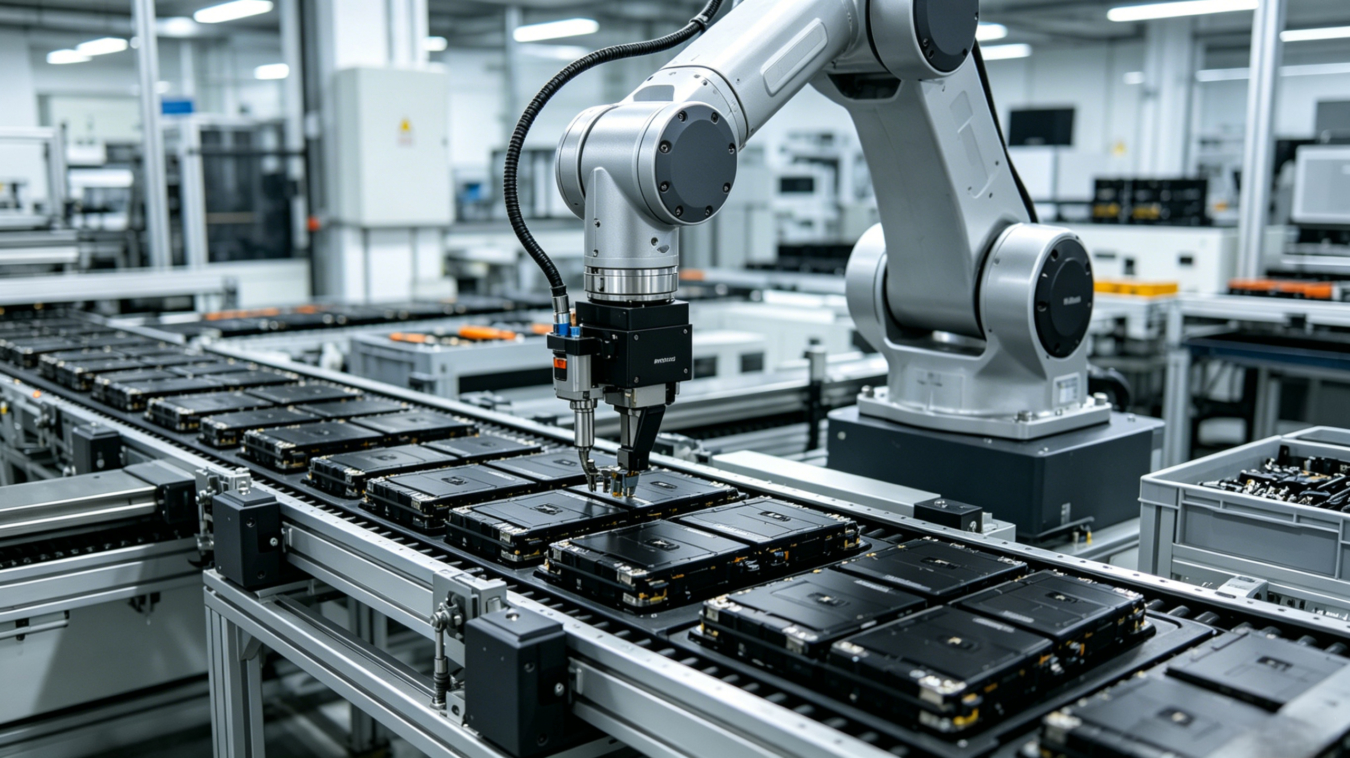
Here’s where it gets interesting: despite the shake-up, traditional lithium-ion machinery is still largely compatible with these new hybrid designs. Industry insiders say you can retrofit existing lines with less than a 10% change in equipment. That means most manufacturers won’t have to toss out their old machines just yet.
| Metric | Value | Notes |
|---|---|---|
| Initial Capital for All-Solid-State Lines | 400-500 million yuan | Per GWh |
| Projected Cost by 2030 | 200 million yuan | Per GWh |
| CATL Market Share | 46.7% | 33.08 GWh |
| BYD Market Share | 16.8% | 11.87 GWh |
But let’s talk money. Specialized all-solid-state manufacturing lines are a hefty investment, costing between 400 and 500 million yuan per GWh right now. The good news? Industry forecasts show these costs are expected to halve by 2030. So, if you’re in the market for batteries, it might pay to wait a bit.
On the ground, companies like Dongfeng are already adapting by producing hybrid packs using existing facilities. Meanwhile, companies like CATL are hitting pause on expansion to focus on stability and interface challenges. Their recent disclosures reveal that while all-solid-state batteries are promising, they’re still grappling with engineering hurdles.
Let’s not forget the numbers. According to China EV DataTracker, CATL is leading the pack with a market share of 46.7% and a massive 33.08 GWh in monthly installations. BYD isn’t too far behind, holding 16.8% of the market. But the real question is, can they maintain this lead as the industry pivots toward these new hybrid and solid-state standards?
For a deeper dive into how these changes could influence other sectors, check out our piece onsolid-state batteries in eVTOLs. Or, if you’re curious about where the market might head next, don’t miss our article onthe EXEED EX9 SUV debut.
This regulatory shake-up is set to challenge manufacturers but also open up new avenues for innovation. Whether that’s a good or bad thing? Only time will tell.