
WeRide Teams Up for RHD Robotaxi in Hong Kong
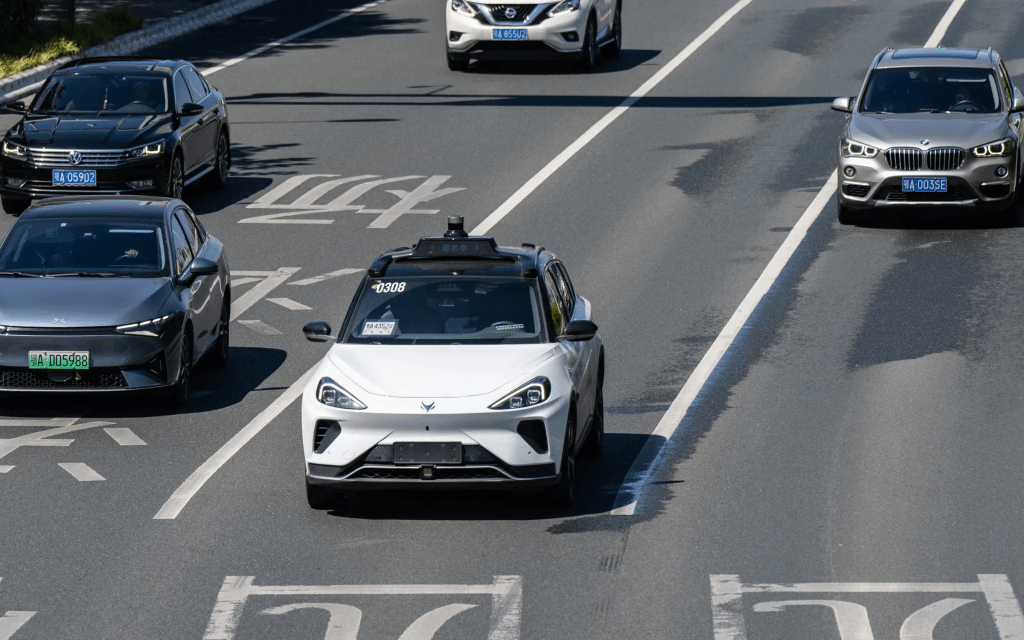
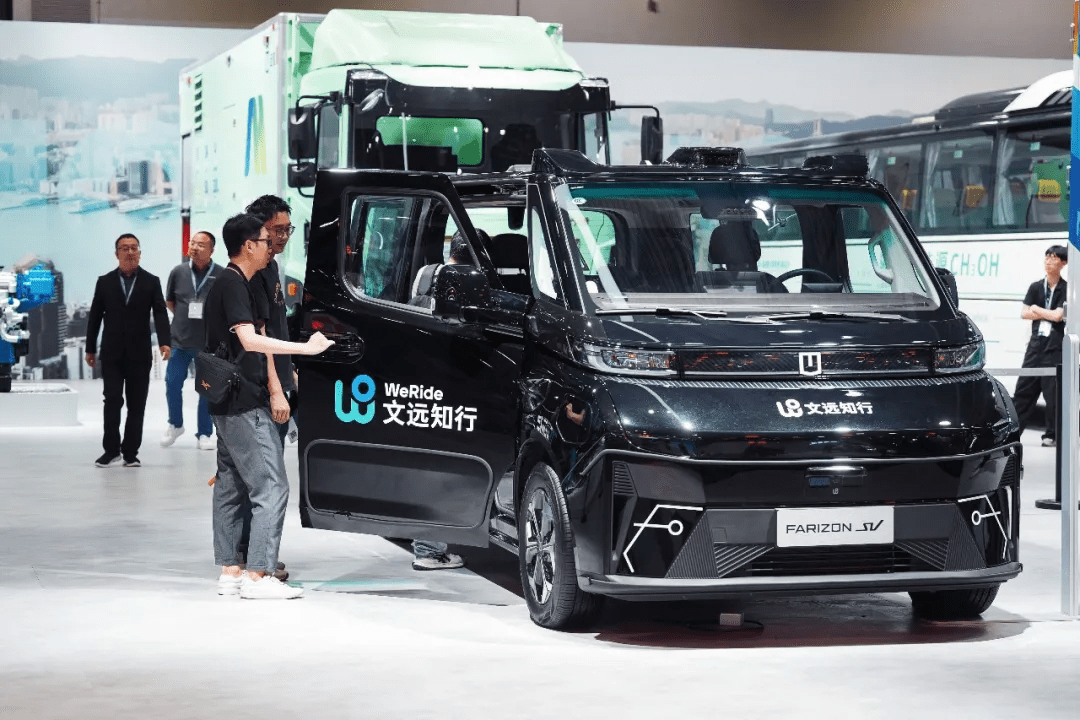
Here’s a bold move in the EV space: WeRide, Geely Farizon, and Kwoon Chung Bus Group have joined forces to launch a right-hand drive (RHD) Robotaxi in Hong Kong. This isn’t just another tech announcement; it’s a strategic play that could reshape urban mobility.
On June 22, the three companies announced their collaboration to develop a mass-produced Robotaxi using WeRide’s existing GXR platform. This is a significant step, with Hong Kong chosen as the launchpad for commercial operations. Why Hong Kong? It’s a bustling city known for its complex traffic scenarios and dense road networks, making it an ideal testing ground for autonomous vehicles.
WeRide brings its advanced L4-level autonomous driving tech to the table, while Geely Farizon is set to handle the manufacturing side, leveraging its capabilities in new energy vehicles. Kwoon Chung Bus Group, a veteran in local transportation, will oversee operational deployment, ensuring the service meets the demands of Hong Kong’s unique transit environment.
| Metric | Value | Notes |
|---|---|---|
| Launch City | Hong Kong | First RHD Robotaxi deployment |
| Global Operations | 40 cities in 12 countries | Including Dubai and Singapore |
| Target Robotaxi Fleet | 2,600 vehicles by 2026 | Goals for expansion by 2030 |
Why Hong Kong Matters for Robotaxis
The choice of Hong Kong isn’t just about its right-hand drive requirements; it offers a rich tapestry of urban challenges. The city has a mature policy framework and a traffic environment that’s both international and complicated. This will be an excellent proving ground for WeRide’s Robotaxi, giving them valuable data to refine their technology.
But the ambition doesn’t stop there. WeRide aims to replicate this model in other right-hand drive markets like Singapore, the UK, Japan, and Australia. They’re already seeing interest from these regions, signaling a broader strategy to dominate the global Robotaxi landscape.
Expanding into Europe
While the Hong Kong project is taking off, WeRide is also making strides in Europe. On June 17, they announced a partnership with Uber to launch a Robotaxi service in Zurich. This adds to their existing operations in Madrid, marking their second European city. With backing from the Swiss Federal Roads Office, they plan to kick off services later this year.
As of now, WeRide has successfully launched fully driverless operations in four cities: Guangzhou, Beijing, Abu Dhabi, and Dubai. Their collaboration with Uber spans five cities, showcasing a significant footprint in the autonomous vehicle space.
So, what does this mean for potential buyers? If you’re in a market like Hong Kong or Europe, the arrival of Robotaxis could significantly change how you think about urban transport. But should you invest in a ride-hailing service now, or wait for these Robotaxis? It boils down to availability and local regulations. These vehicles could offer a cleaner, more efficient way to get around, assuming the service is rolled out as promised.
What’s Next for WeRide?
WeRide has set ambitious targets, looking to expand its Robotaxi fleet to 2,600 vehicles by the end of 2026 and aiming for tens of thousands by 2030. That’s a bold claim, especially considering the challenges of scaling autonomous technology and navigating regulatory landscapes.
In a world where electric vehicle technology is advancing rapidly, WeRide is positioning itself to be at the forefront. Their partnerships and strategic choices could very well dictate the pace at which Robotaxis become a common sight on our roads. So, for those of us watching the EV scene, it’s definitely worth keeping an eye on WeRide’s next moves.