
Here’s a number that might surprise you: Chinese brands now hold an 11.4% share of the European car market. That’s a significant slice of the pie, and it’s growing fast. While May 2026 saw 1,152,523 new car registrations across Europe, a modest year-on-year increase of 3.6%, the real story is how Chinese automakers are making their mark.
Let’s break down the numbers. Among the European Union countries, new vehicle registrations hit 955,013 units, a 3.2% uptick from last year. While hybrids still lead the pack with a 37.5% share, battery electric vehicles (BEVs) are gaining ground, now making up 21.4% of the market. Internal combustion engines? They’re slipping, now down to 28.9% from 36.4% a year ago.
So, what’s fueling this shift? European incentives for electrification, like charging subsidies and tax cuts, are certainly helping, but there’s more to it. Chinese brands are stepping up their game, offering competitive models that are hard to ignore.
Chinese Brands Surge Ahead
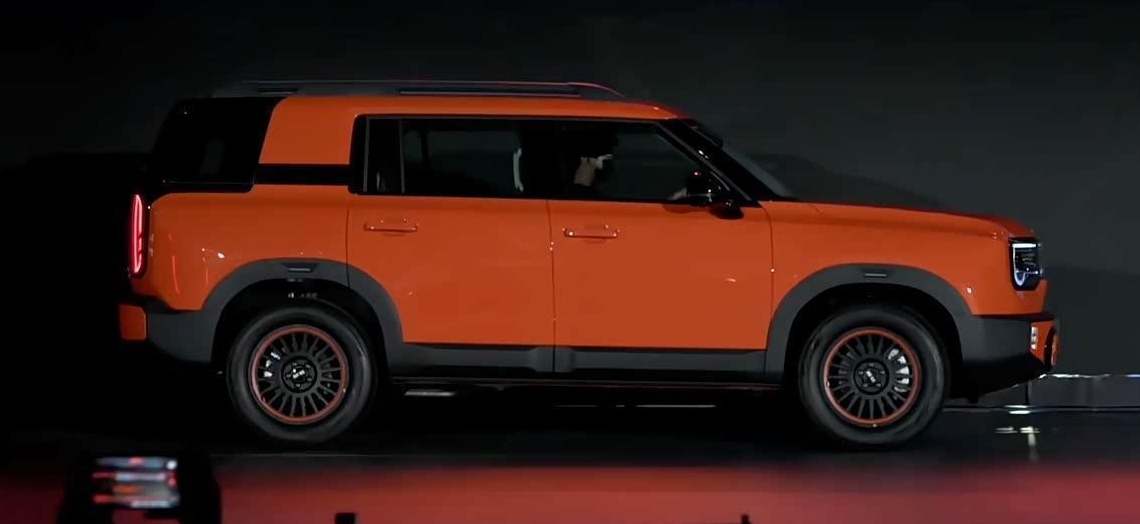
Among the Chinese players,Leapmotorstands out for its explosive growth. In May alone, they registered 9,945 vehicles in Europe, a staggering 465.1% increase from last year. They’re not just about numbers, though; their strategy to focus on markets like Italy is paying off, with 4,765 units sold there in May.
| Metric | Value | Notes |
|---|---|---|
| Leapmotor May Registrations | 9,945 units | Up 465.1% YoY |
| Geely May Registrations | 33,877 units | Largest Chinese player |
| BYD May Registrations | 32,380 units | Up 136.6% YoY |
| Chery May Registrations | 24,398 units | Up 322.3% YoY |
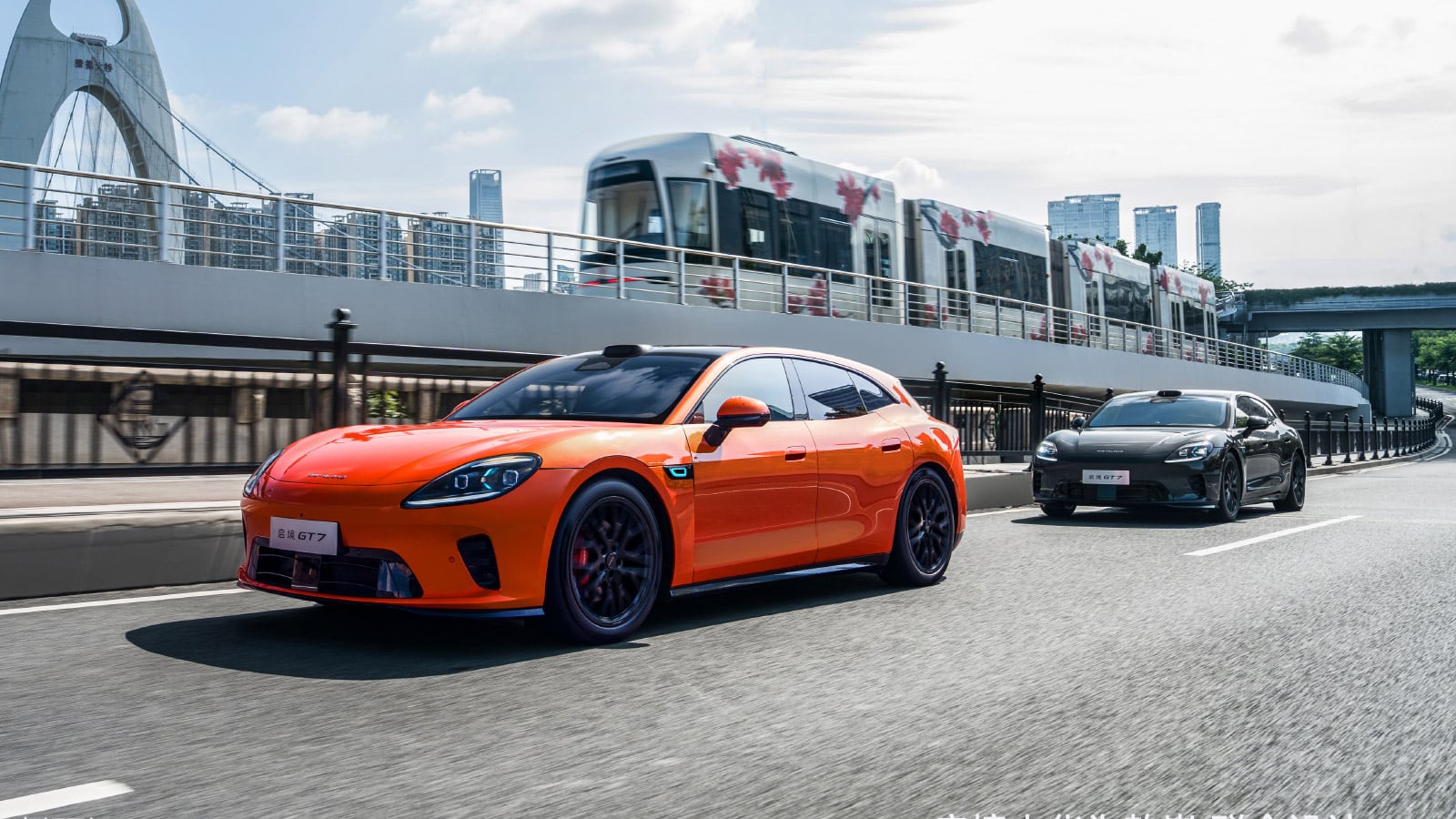
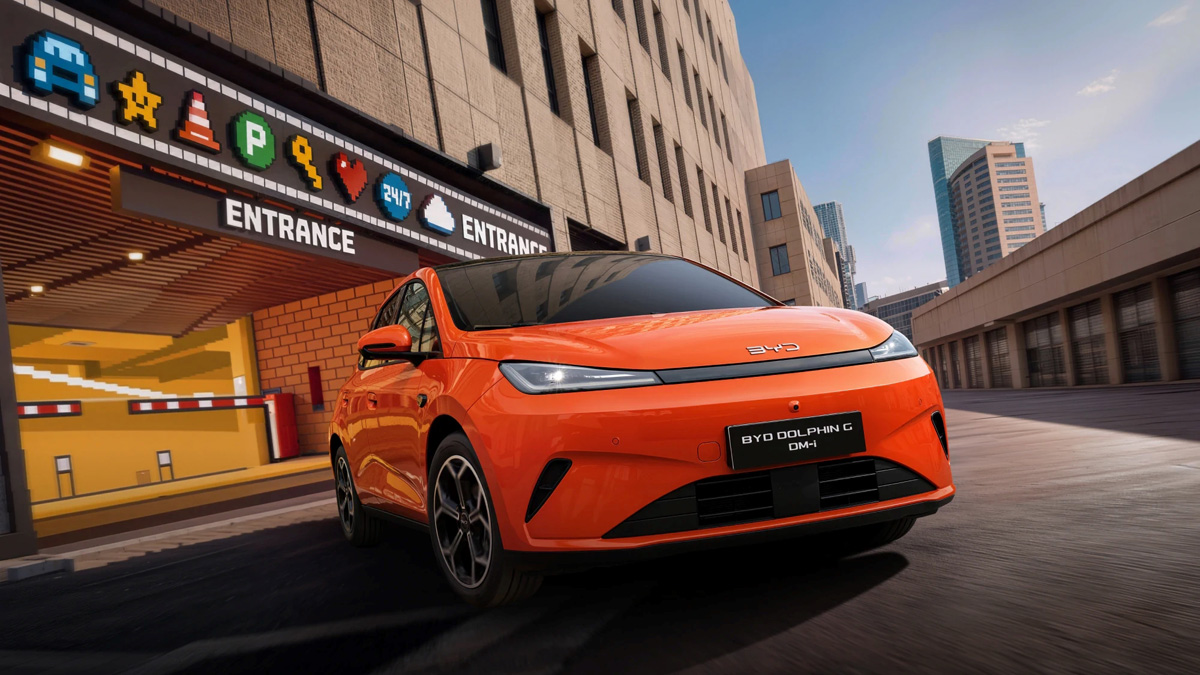
Geely, another heavyweight, registered 33,877 units in May, maintaining its status as the largest Chinese brand in Europe. They’re not alone. BYD is making waves too, with May registrations soaring 136.6% to 32,380 units. They’ve even launched theDolphin G DM-iin Europe, a plug-in hybrid that undercuts its rivals on price.
Challenges for Traditional Automakers
But it’s not all rosy for everyone. Established names like Hyundai, Ford, and Nissan are feeling the heat, with May registrations dropping significantly. These brands have been slower to pivot away from traditional engines, leaving them vulnerable as electrification speeds up.
Then there’s Tesla, which saw a temporary boost with 28,610 units registered in May, up 108% from last year. However, the competition from China is fierce and relentless.
As the European market continues to evolve, the question for consumers is simple: Should you consider switching to a Chinese brand? If cutting-edge tech at a competitive price sounds appealing, the answer might just be yes. With the likes of BYD and Leapmotor pushing boundaries, it might be time to test drive what these Chinese automakers have to offer.
For more insights into the latest in Chinese automotive trends, check out our articles onUK Car Registrationsand howLi Auto is betting on global markets.