
Quick Specs & Metrics
Yuchai’s Flywheel Range Extender System (FRS) isn’t your typical hybrid setup. Here’s what makes it stand out:
- Peak Efficiency: 4.8 kWh per liter (diesel applications)
- Fuel Savings: Up to 50% vs. conventional range extenders
- Power Range: 15 kW to 600 kW (scalable for trucks, buses, and industrial equipment)
- Maintenance: No scheduled servicing for core power unit
- Adopters: FAW Jiefang, Dongfeng, XCMG, Sany, Caterpillar
Breaking the Mold with Flywheel Power
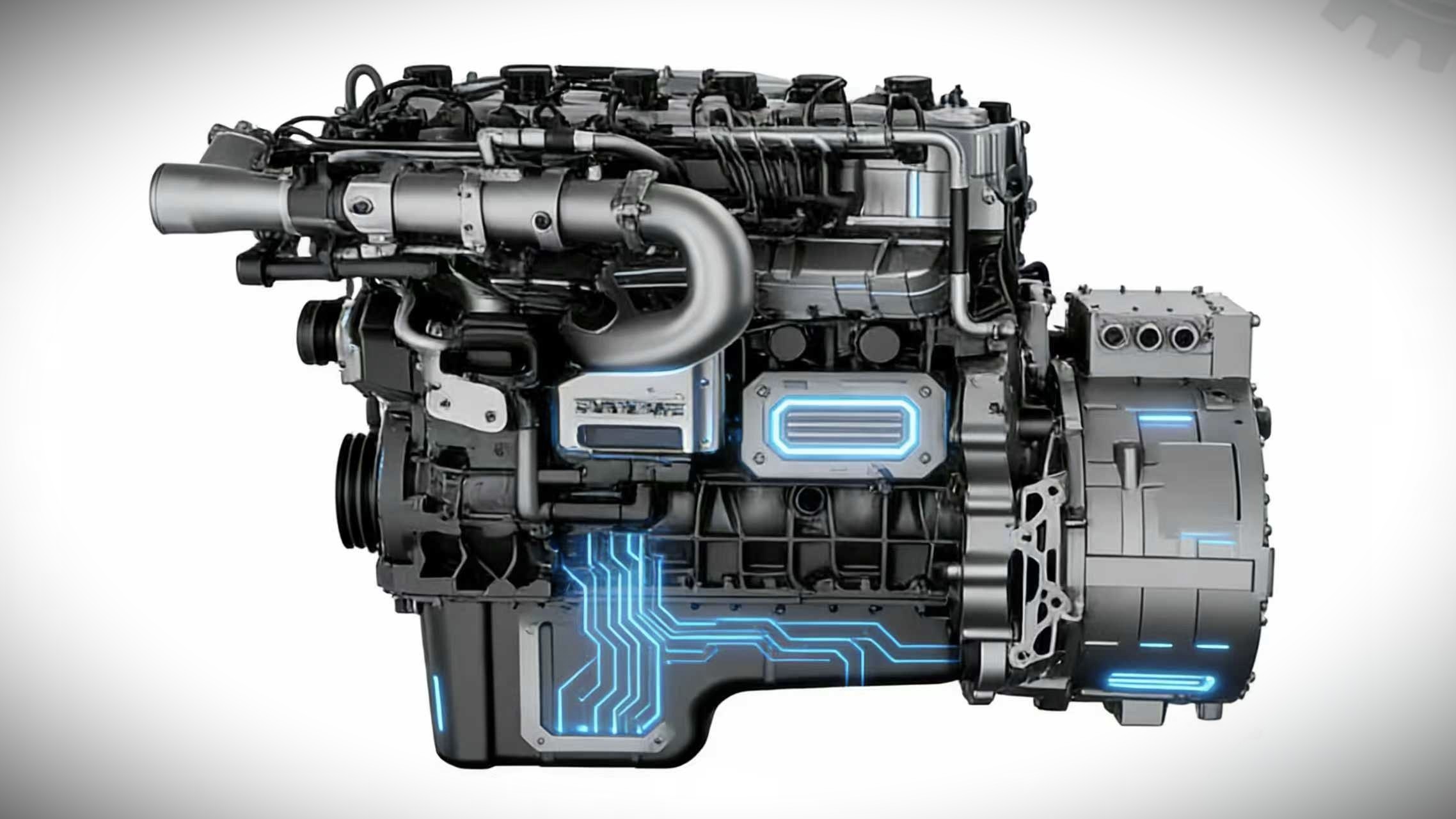
Picture this: a diesel engine and generator fused into a single spinning unit, with a flywheel acting as both stabilizer and energy converter. That’s Yuchai’s FRS in action—a departure from the clunky two-piece systems most hybrids use. The Guangxi-based state-owned firm (which supplies Dongfeng and partners with Rolls-Royce Power Systems) unveiled this at their 2026 Global Partner Conference, claiming it’s the world’s first production-ready flywheel range extender.
Why This Matters for Heavy-Duty Applications
For truckers and mining operators, reliability is everything. By ditching separate components and rigidly coupling the flywheel to the crankshaft, Yuchai eliminates vibration points and reduces failure risks. Their adaptive energy management software—likely borrowing from China’s AI-driven powertrain innovations—constantly adjusts output for port cranes grinding through variable loads or buses idling in city traffic.
The Chinese Edge: Speed and Scale
While Western firms like Horse Powertrain tease future hybrid systems, Yuchai’s already shipping FRS units. That’s classic Chinese industrial pragmatism—leveraging existing diesel expertise while leapfrogging in electrification. The 50% fuel savings claim is audacious, but if real, it could reshape cost-sensitive sectors like logistics where range extenders are gaining traction.
What’s Next?
With models like the YCK16 already deployed in mining trucks, Yuchai’s betting big on industrial applications first. But don’t be surprised if this trickles down to commercial vans—China’s EV market moves fast, and EREV adoption is accelerating. For fleets weighing diesel’s longevity against emission rules, this might just be the bridge technology they need.