
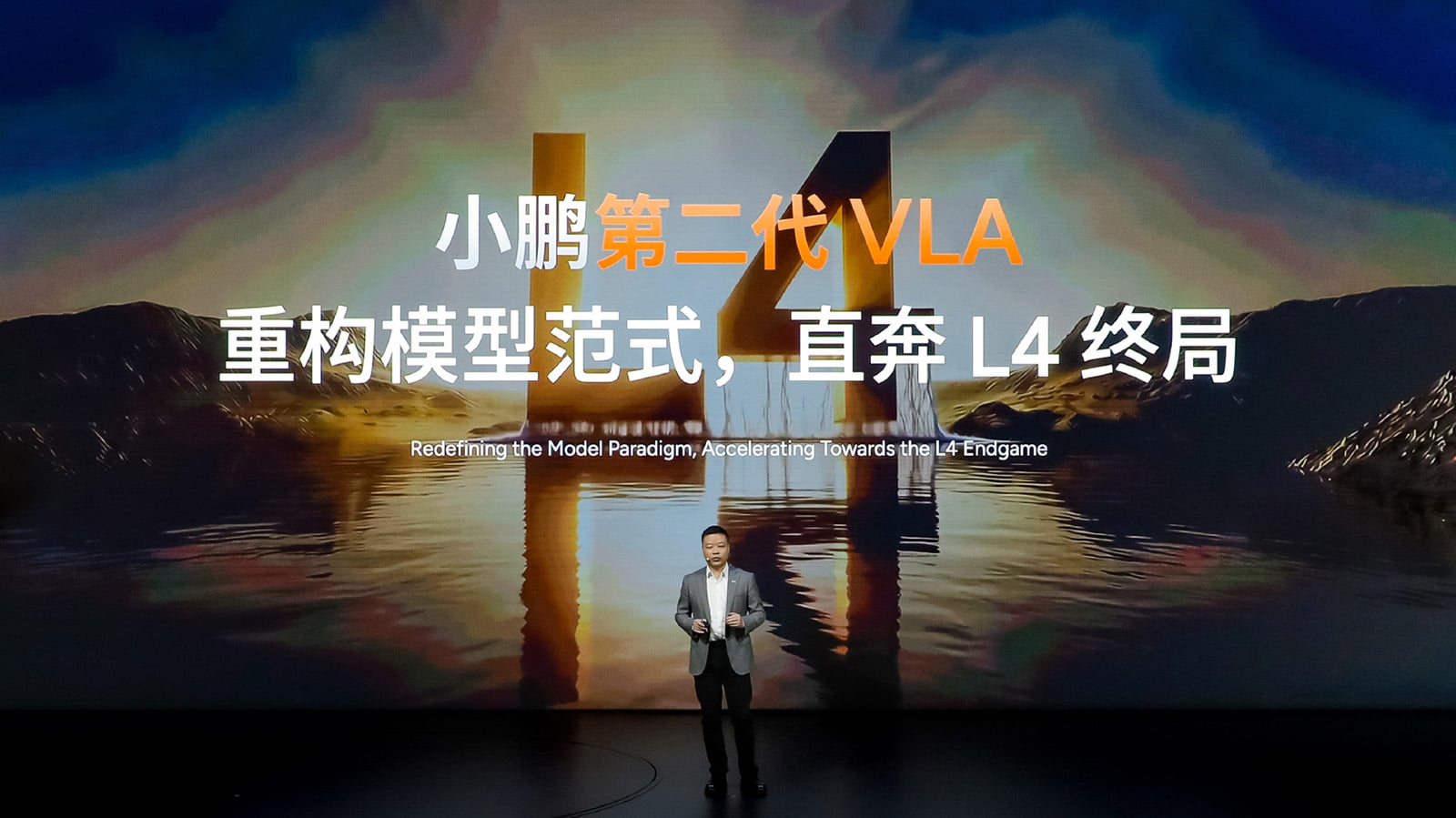
Get ready, folks. Xpeng, a name synonymous with pushing the boundaries in the Chinese EV scene, is making some serious waves. Chairman and CEO He Xiaopeng isn’t just talking a big game; he’s putting it out there, publicly challenging rivals, even Elon Musk himself, to take a spin in their latest smart driving software. This isn’t just a marketing stunt; it’s a clear signal of Xpeng’s soaring ambitions in the autonomous driving arena, and they’re brimming with confidence in their new Vision-Language-Action (VLA 2.0) system.
Speaking at the recent 2026 Two Sessions in China, Mr. He didn’t hold back. He described VLA 2.0 as a monumental leap, claiming if older advanced driver-assistance systems (ADAS) scored 100 points, this new system is scoring in the tens of thousands. That’s a massive jump, and it’s powered by cutting-edge large language models and Xpeng’s own computing prowess. They’re telling us that what used to take a year of development can now be achieved in just four weeks. The pace of innovation in China’s EV sector is simply electrifying.
The big prediction? Mr. He sees Level 4 autonomous driving becoming mainstream within one to three years, with Level 5 true full autonomy potentially just five years away. Imagine a commute where human intervention is minimal, completely transforming our daily grind. It sounds like science fiction, but with the rapid advancements in AI and regulatory frameworks, it’s becoming an increasingly tangible reality.
Xpeng’s confidence is infectious, and it’s already attracting attention. Renting an Xpeng with the VLA system for testing costs a hefty 8,000 yuan ($1,160), a testament to its perceived value. Mr. He anticipates a rush of competitors, both domestic and international, eager to get behind the wheel once VLA 2.0 officially launches. And the excitement isn’t just local; it’s reaching Wall Street. Morgan Stanley has already hailed VLA 2.0 as a ‘bold leap forward,’ recognizing Xpeng’s potential to be more than just a car manufacturer, but a technology powerhouse. This focus on ‘physical AI’ is exactly what keeps investors intrigued.
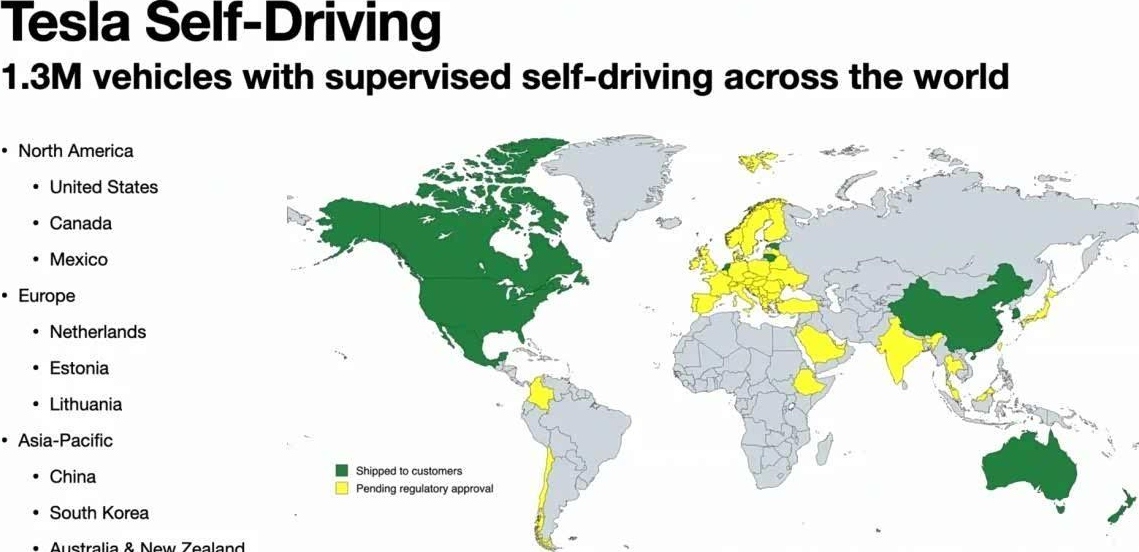
Xpeng has always kept a keen eye on Tesla, viewing it as a crucial benchmark. Mr. He himself revisited Tesla’s FSD system in late 2025, noting its reassuring quasi-L4 capabilities. Now, Xpeng has set an ambitious target: to match Tesla’s FSD performance domestically by the end of August 2026. This isn’t just about catching up; it’s about competing on the global stage and showcasing the incredible technological strides being made by Chinese automakers. The speed at which companies like Xpeng are iterating and innovating is truly remarkable, setting a blistering pace for the entire automotive industry.
The Chinese market is a hotbed for EV innovation, with companies like BYD setting benchmarks in battery tech and charging infrastructure, as seen with BYD’s flash charging. We’re also seeing rapid development in smart driving from players like NIO, with their systems seeing explosive growth after software updates, and the integrated tech approach from SAIC and Huawei. It’s a dynamic landscape where advancements like Xpeng’s VLA 2.0 are not just features, but defining characteristics of the future of mobility.