
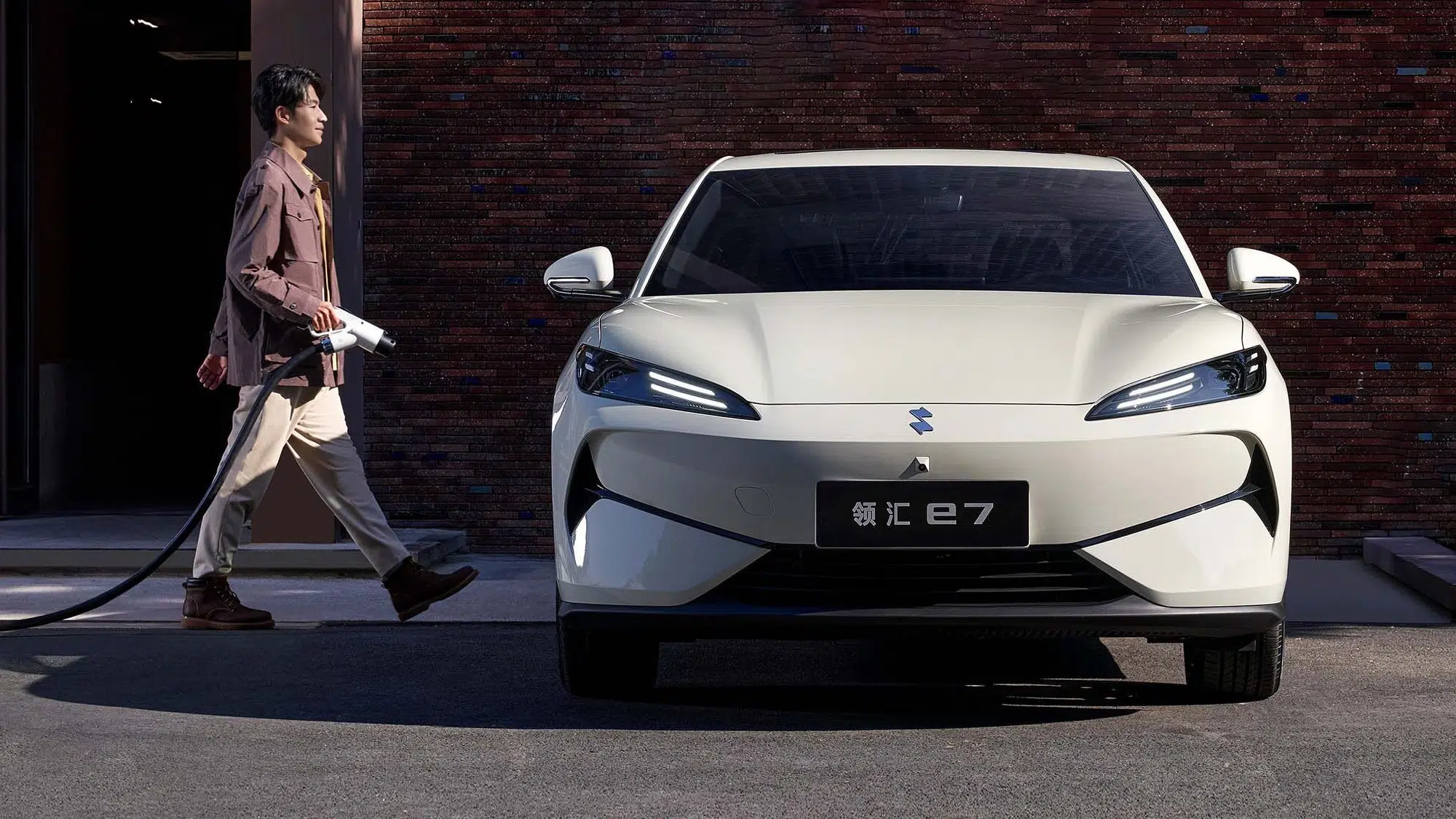
Get ready for a seismic shift in electric vehicle charging. BYD’s ride-hailing brand, Linghui, is set to unleash its e7 sedan with groundbreaking flash charging technology. Imagine going from a nearly empty battery to nearly full in the time it takes to grab a coffee. This isn’t science fiction; it’s BYD pushing the boundaries of what’s possible.
Lightning-Fast Charging for Everyday Life
The Linghui e7 is poised to support a charging system capable of taking you from 10% to a staggering 97% in just nine minutes. That’s not a typo. This incredible speed is powered by BYD’s new flash charging stations, boasting an immense 1,500 kW output per connector. To put that into perspective, charging from 10% to 70% could take a mere five minutes. This technology is a direct challenge to battery-swapping initiatives, like CATL’s impressive battery swap project, which, while faster for a full swap at 1.5 minutes, requires significant infrastructure investment and vehicle design adaptations.
BYD’s strategy is clear: build out its own rapid charging network. They’ve already deployed over 4,200 flash charging stations across China and plan to reach 20,000 by the end of this year. This aggressive rollout makes charging as convenient as traditional gasoline refueling, a crucial step for mass EV adoption.
Performance and Practicality Under the Hood
Beneath its sleek, Ocean series-inspired exterior, the Linghui e7 is a capable performer. The 4.8-meter sedan, measuring 4780/1900/1515 mm with a 2,820 mm wheelbase (making it slightly longer than a Skoda Octavia), is designed for daily duty. Initially, it will offer a 100 kW (134 hp) electric motor, drawing power from BYD’s reliable second-generation Short Blade LFP battery pack. Expect range options of 450 km and 520 km for the standard and long-range variants, respectively. For those who crave a bit more zip, a more potent 130 kW (174 hp) motor will also be available, pushing the range to 550 km, likely paired with the larger battery.
The Chinese EV Landscape: A Rapid Evolution
BYD’s relentless pace of innovation is a hallmark of the Chinese EV market. Companies like BYD are not just building cars they’re building entire ecosystems, from batteries to charging infrastructure. This integrated approach, combined with fierce domestic competition and government support, drives rapid product cycles and technological advancements. We’re seeing incredible leaps in battery tech, like CATL’s sodium-ion batteries and ongoing advancements in solid-state technology, as well as rapid development in autonomous driving systems from companies like Huawei and XPeng. The Linghui e7’s flash charging is just the latest example of this accelerated evolution, putting pressure on global competitors to keep pace.
While specific pricing for the Linghui e7 hasn’t been released, its positioning as a ride-hailing vehicle suggests a focus on value and low ownership costs. The reliable LFP batteries, combined with rapid charging capabilities, should ensure excellent daily usability and minimal downtime for fleet operators. It’s a smart move by BYD, leveraging its battery expertise and charging infrastructure to create a compelling package for the professional driver, and ultimately, for the broader consumer market as these technologies trickle down.
This rapid charging capability isn’t just a feature; it’s a game-changer. It addresses one of the biggest anxieties for potential EV buyers: charging time. With the Linghui e7, BYD is not just offering another electric sedan, it’s offering a glimpse into a future where charging an EV is as quick and convenient as filling up with gas. This is the kind of innovation that truly electrifies the automotive world.