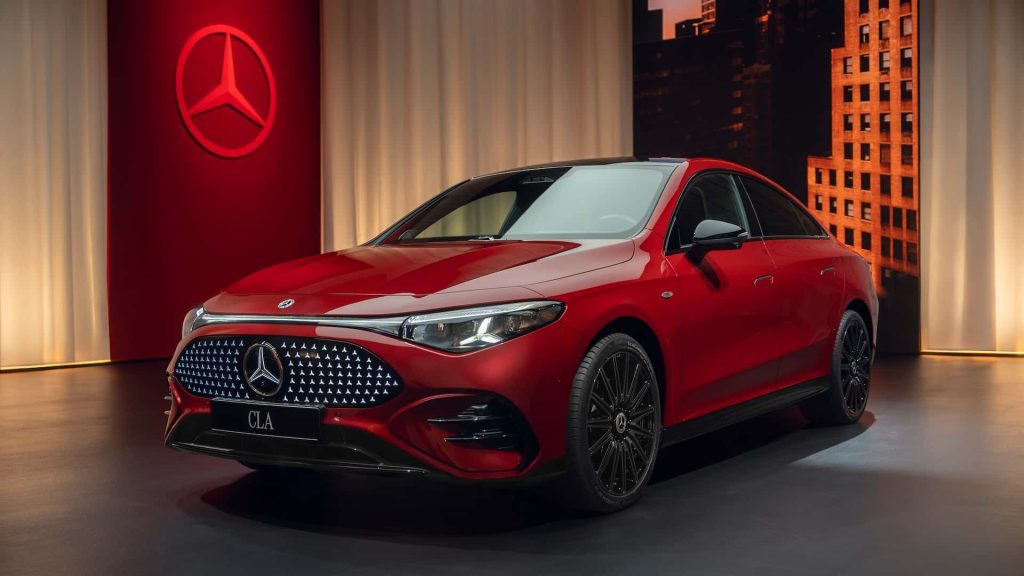

The automotive world is a dynamic place, and sometimes, the most interesting developments come from unexpected collaborations. It looks like Mercedes-Benz might be considering a fascinating partnership with Chinese automaker GWM (Great Wall Motors) for its manufacturing plant in South Africa. This move, if it materializes, could be a smart play to boost the plant’s profitability, especially with new US trade tariffs looming.
Imagine this: a historic European luxury brand sharing its production lines with one of China’s rapidly growing automotive giants. According to reports, Mercedes-Benz is in discussions with GWM about co-manufacturing vehicles at the facility located in the port city of East London. GWM has even presented a production proposal to South Africa’s trade department, signaling a serious interest in establishing a local manufacturing presence. While nothing is finalized, and other forms of collaboration are possible, the mere prospect is exciting.
This isn’t just about sharing factory space. Mercedes is also reportedly exploring the idea of using the South African plant as a global hub for repurposing end-of-life EV batteries. This forward-thinking approach to sustainability could be a game-changer.
Why is this happening now? For years, Mercedes-Benz has benefited from duty-free car exports from South Africa to the US. However, the planned imposition of a 15% global tariff by the US administration threatens to disrupt that lucrative arrangement. Sharing the plant, which currently employs around 2,400 people, could help alleviate overcapacity, lower operating costs, and crucially, preserve jobs in the face of increased competition from cheaper imports.
The South African government is also taking notice, considering tariffs of up to 50% on vehicles imported from China and India, as these imports are impacting local manufacturing. For GWM, setting up local production would be a strategic masterstroke. It would allow them to sidestep these potential tariffs and more effectively meet the growing demand for their vehicles in the South African market, where they’ve already seen impressive sales growth.
This potential deal is part of a larger trend we’re witnessing. Just recently, another major Chinese automaker, Chery, agreed to acquire Nissan’s production assets in Rosslyn, Pretoria. The numbers speak for themselves: over the past four years, car imports from China to South Africa have surged by a staggering 368%, with Chinese brands making significant inroads into the entry-level vehicle segment. It’s clear that Chinese automakers are no longer just players in their home market; they’re becoming global forces, reshaping the automotive landscape wherever they go. The pace of innovation and product updates from these companies is truly remarkable, often outpacing their international rivals.
We’ve seen this firsthand with innovations from brands like BYD, pushing the boundaries of battery technology and rapid charging, and companies like Xpeng and NIO revolutionizing smart driving systems. The manufacturing prowess and aggressive pricing strategies employed by Chinese EV makers, often supported by giants like CATL, a leading battery supplier, are creating a competitive environment that’s impossible for established players to ignore. This South African development is just another chapter in that unfolding story.