
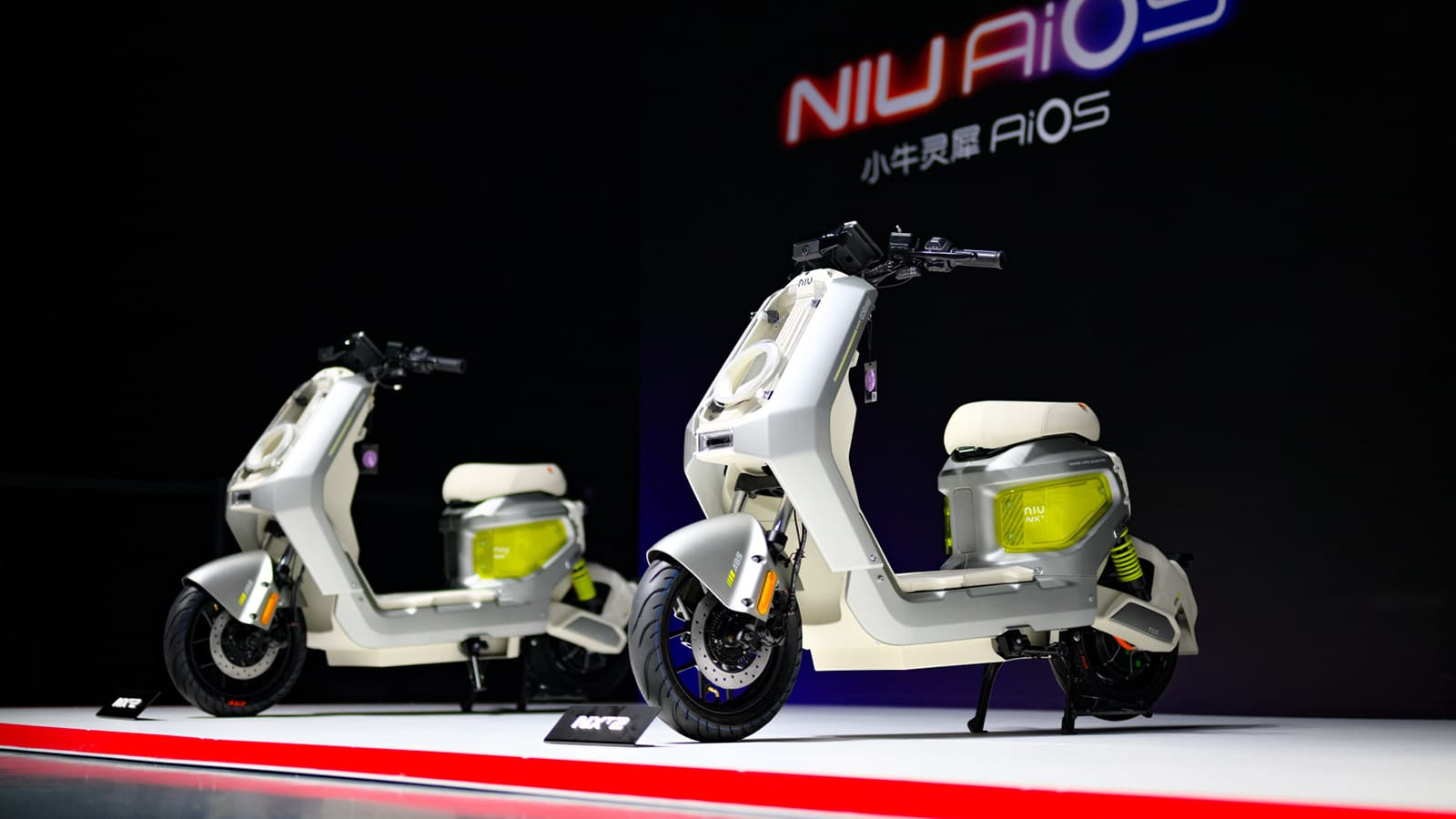
You know, it’s gotten to the point where even electric scooters in China are starting to get LiDAR. Seriously. The tech that was once reserved for high-end EVs is now finding its way onto two-wheelers, and it’s all thanks to ballooning production and plummeting costs. Hesai Group, a big name in Chinese LiDAR manufacturing, just announced a partnership with Niu Technologies, a popular electric scooter brand, to integrate their sensors.
This isn’t just some fancy gimmick. Hesai’s FTX, a fully solid-state blind-spot LiDAR, is designed to boost safety on those increasingly chaotic urban roads we’re all navigating. It’s set to debut on Niu’s new NXT2 model, essentially giving the scooter a high-definition, all-weather ‘super eye’ to spot pedestrians, vehicles, and all sorts of road hazards, even in tough conditions. Think about that: a scooter with advanced perception capabilities.
What’s truly remarkable is the price drop. Hesai claims they’ve slashed LiDAR costs from hundreds of thousands of yuan down to around $200, a staggering 99.5% reduction. This kind of cost efficiency is what’s driving adoption. Hesai itself notes that LiDAR penetration in the overall passenger car market hit 19% by the end of last year, crossing a key threshold for mass adoption. It’s a similar story unfolding in the two-wheeler segment.
Niu’s CEO, Li Yan, pointed out that as city traffic gets more complex, relying on just cameras or basic sensors isn’t enough anymore for advanced riding safety and intelligence. Hesai’s CEO, Li Yifan, echoed this, calling the partnership a new industry standard for intelligence and a step towards safer, smarter mobility for two-wheeled vehicles.
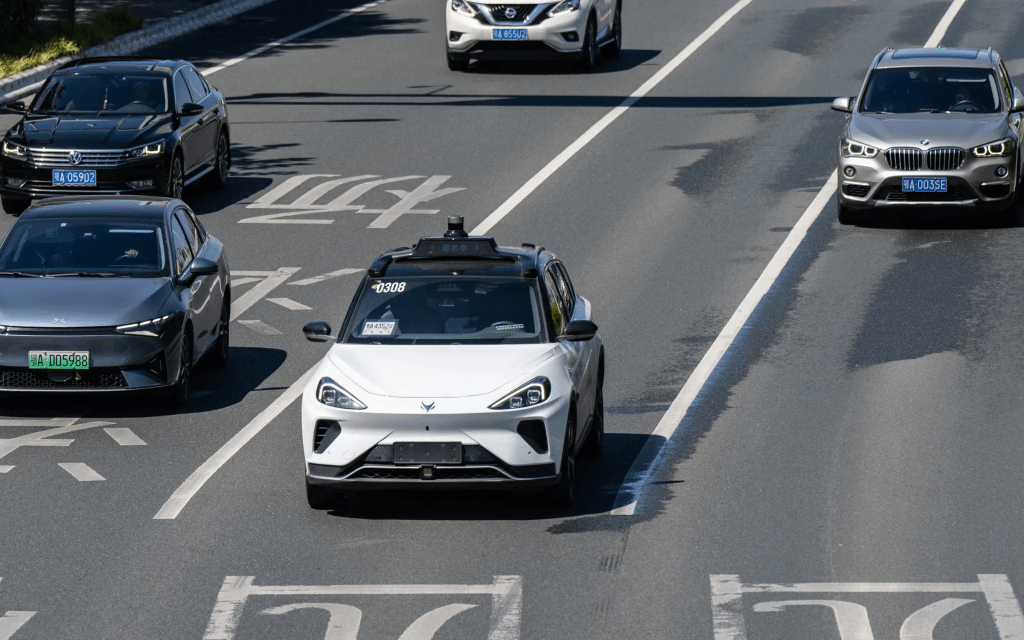
This trend of putting advanced tech into more affordable vehicles is a hallmark of the Chinese auto industry right now. Just a few years ago, LiDAR was a luxury feature. Now, we’re seeing companies like BYD considering it as an option for their ultra-affordable BYD Seagull, and Leapmotor is already filing for compact EVs with it standard. It’s a race to democratize advanced safety.
What does this mean for you? If you’re in China, or looking at the Chinese market, it signals a massive leap in safety for even the most basic forms of transport. For the rest of the world, it’s a preview of how quickly advanced automotive tech trickles down.
We’ve seen this play out before with advanced driver-assistance systems (ADAS) and even battery tech. Companies like Gotion High-Tech and BASF are pushing battery innovations, and we’re seeing the results quickly adopted. The rapid miniaturization and cost reduction of components like LiDAR are key enablers.
The question for buyers isn’t just about performance or range anymore, it’s about how much advanced safety tech is being packed into everyday vehicles. This move by Niu and Hesai is a clear indicator that the future of safety is affordable and ubiquitous. It’s a fascinating time to watch these technologies mature and spread.
While this specific partnership is for scooters, it mirrors the broader trend we’re seeing across the Chinese EV landscape. You can find similar advancements in cars like the Deepal L06, which came standard with LiDAR. It’s this relentless pursuit of integrating sophisticated technology that defines the current automotive revolution happening in China. Keep an eye on how this impacts motorcycle and scooter safety standards globally.
The implications for future autonomous driving systems, even on smaller vehicles, are significant. As more vehicles become equipped with these advanced sensors, the data they collect will further improve algorithms and infrastructure. It’s a virtuous cycle that’s accelerating rapidly. The partnership between Hesai and Niu is more than just a tech integration; it’s a glimpse into a future where advanced safety is no longer a luxury.
It’s a stark contrast to the slow trickle of new safety features we’ve seen in other markets. Here, it’s happening at lightning speed, driven by intense competition and a clear vision for mass-market intelligence. This isn’t just about electric scooters; it’s about the democratization of advanced sensing technology and its potential to revolutionize safety across the board. This story is a part of a larger narrative about Lidar on Two Wheels: How Chinese Tech is Revolutionizing Motorcycle Safety, showcasing China’s leadership in pushing boundaries. We’re also seeing advancements in battery tech, like the push towards Solid-State Batteries Roll Off the Line: A Glimpse into the Future of EV Power, which will further enhance the capabilities of these intelligent vehicles.