
Horse Powertrain, a dynamic joint venture between Geely Holding and Renault Group, is set to drop a “Future Hybrid System” in 2027 that promises to turn existing electric-only platforms into flexible hybrid or range-extended beasts. This innovative system, part of Horse Powertrain’s X-Range family, first teased as a concept at the Shanghai Auto Show and later refined at Bavaria’s IAA in Munich, is a game-changer for automakers looking to offer more powertrain versatility.
The Heart of the System: Compact and Versatile
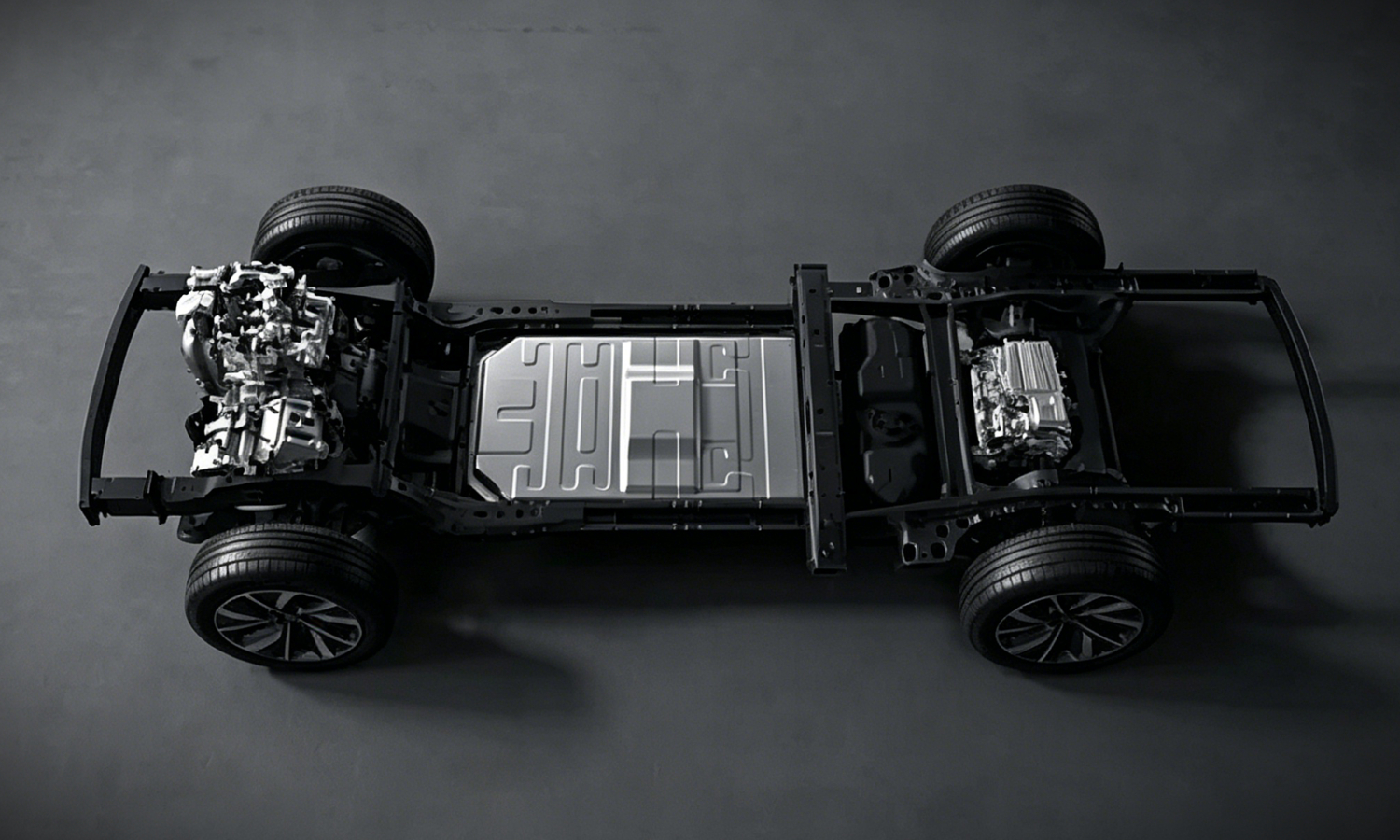
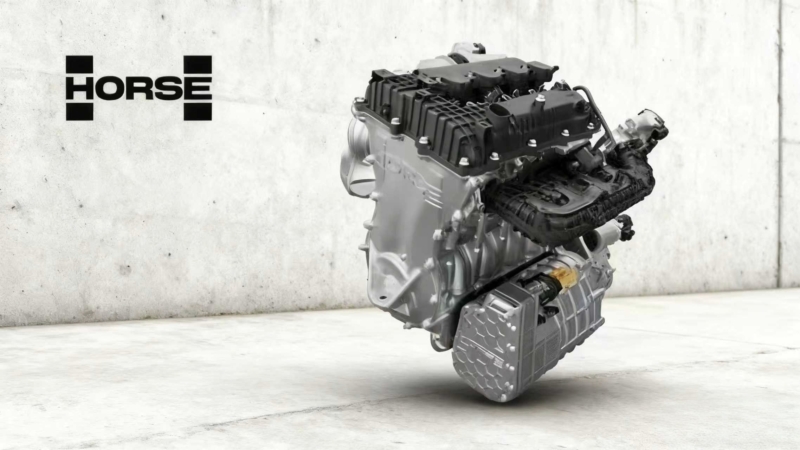
At its core, this new architecture ingeniously integrates the internal combustion engine, gearbox, electric motor, and electronic power systems into a single, compact package. This isn’t just about squeezing components together; it is a thoughtful redesign focused on maximizing utility without compromising performance.
Horse Powertrain is rolling out two primary variants. There is a performance-oriented P1+P3 version, sporting dual electric motors and a width of 740 millimeters. For those needing something even tighter, a super-compact P2 motor variant shrinks the width to a mere 650 millimeters. Both options play nice with a 1.5-liter four-cylinder engine and a specially designed hybrid gearbox. This clever, compact layout slashes the front overhang by about 150 millimeters compared to older hybrid systems. What does that mean for you? Automakers can now slide this powertrain onto an existing battery-electric vehicle’s subframe with minimal fuss, sidestepping major body structure tweaks or production line overhauls.
Flexibility and Future-Proofing
One of the most exciting aspects of this system is its adaptability. It is built to support multiple drivetrain configurations, including plug-in hybrid (PHEV) and range-extended electric vehicles (EREV) configurations. Whether you need front-wheel drive or all-wheel drive, even in smaller cars, this system has you covered. Plus, it is designed to retain critical front-end components from pure-electric platforms. Think HVAC and PFAS-free air-conditioning systems, which means a lot of existing EV parts can be reused. That not only cuts down on waste but also eases the transition for manufacturers and minimizes the environmental footprint.
A standout feature is its impressive fuel flexibility. This hybrid marvel is engineered to run on gasoline, E85 ethanol, M100 methanol, and even synthetic fuels. This broad compatibility aligns perfectly with the global drive towards lower-carbon and flexible-fuel powertrains. Looking ahead, Horse Powertrain is even cooking up a three-cylinder variant that could shave off another 70 millimeters in width, making it an even better fit for the smallest of vehicles. This adaptability is key for navigating diverse global market preferences and varying fuel infrastructures, especially within the dynamic Chinese car industry, where electrification is evolving rapidly. Other Chinese manufacturers are also investing heavily in hybrid tech, with companies like Xiaomi, GWM, and Leapmotor planning to feature 80 kWh batteries in their PHEVs next year Horse Powertrain’s Hybrid Ambition.
Formed in mid-2023, Horse Powertrain is a serious player. It boasts 17 production plants and five research and development centers worldwide, employing approximately 19,000 people. This new hybrid system is a strategic move to empower automakers, allowing them to swiftly pivot existing EV platforms into hybrid or range-extended options without the headache of extensive reengineering. This reflects a broader industry trend where adaptability and efficiency are king, helping brands like Geely and Renault stay ahead in a fiercely competitive market. Speaking of adaptability, Chinese automakers are even pioneering advancements like steer-by-wire systems, further showcasing the rapid pace of innovation. Ultimately, Horse Powertrain is not just unveiling a new system it’s offering a powerful solution for the diverse and evolving landscape of automotive propulsion.