
Six seats are fashionable in China’s big family SUVs. Xiaomi is going the other way with the SkyNomad N90: seven seats, a flat floor, and an extended-range drivetrain aimed straight at families who actually fill every row.
The Xiaomi SkyNomad N90 is due for its official launch in late July, after its filing with China’s Ministry of Industry and Information Technology. Xiaomi has now shown the cabin layout, and the choice says plenty about who this SUV is chasing.
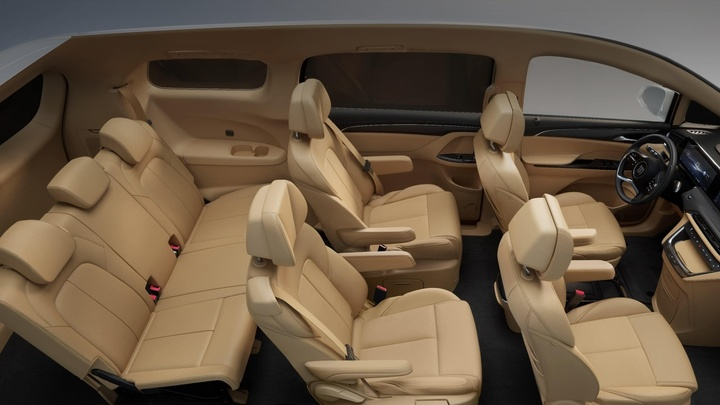
Xiaomi SkyNomad N90 interior: 2-2-3 seating instead of the usual six-seat setup
Most premium family SUVs in China now lean into a 2-2-2 layout. It feels upscale, gives second-row passengers captain’s chairs, and photographs well. The SkyNomad N90 uses a 2-2-3 arrangement instead, with two seats up front, two in the middle, and three in the back.
Lei Jun is selling that as the more practical answer. His examples are very Chinese-market specific: a family of three traveling with both sets of grandparents, or a two-child family bringing grandparents and a nanny. That’s not brochure fluff. Anyone who has watched large SUVs outside a Shanghai mall on a Sunday knows those seats get used.
Xiaomi also points to the Buick GL8, long the default business MPV in China, as proof that this seating plan works for reception duty. The comparison is clever. It avoids saying the quiet part out loud: BYD’s Great Tang, also called Da Tang, recently arrived with the same 2+2+3 idea and sits much closer to Xiaomi’s new-energy fight. For more background on the model’s positioning, see our earlier piece on Xiaomi SkyNomad N90 launch details.
SkyNomad N90 cabin packaging and Xiaomi’s family SUV pitch
Xiaomi calls the N90 an “intelligent variable large-space SUV” built around a “Living Space” cabin theme. Strip away the phrasing and the useful parts are simple: the SUV will come in 5-seat and 7-seat versions, it gets a completely flat floor, and ultra-long rails run through the cabin. That should make it easier to slide seats, open up luggage room, or create more legroom when the third row isn’t packed.
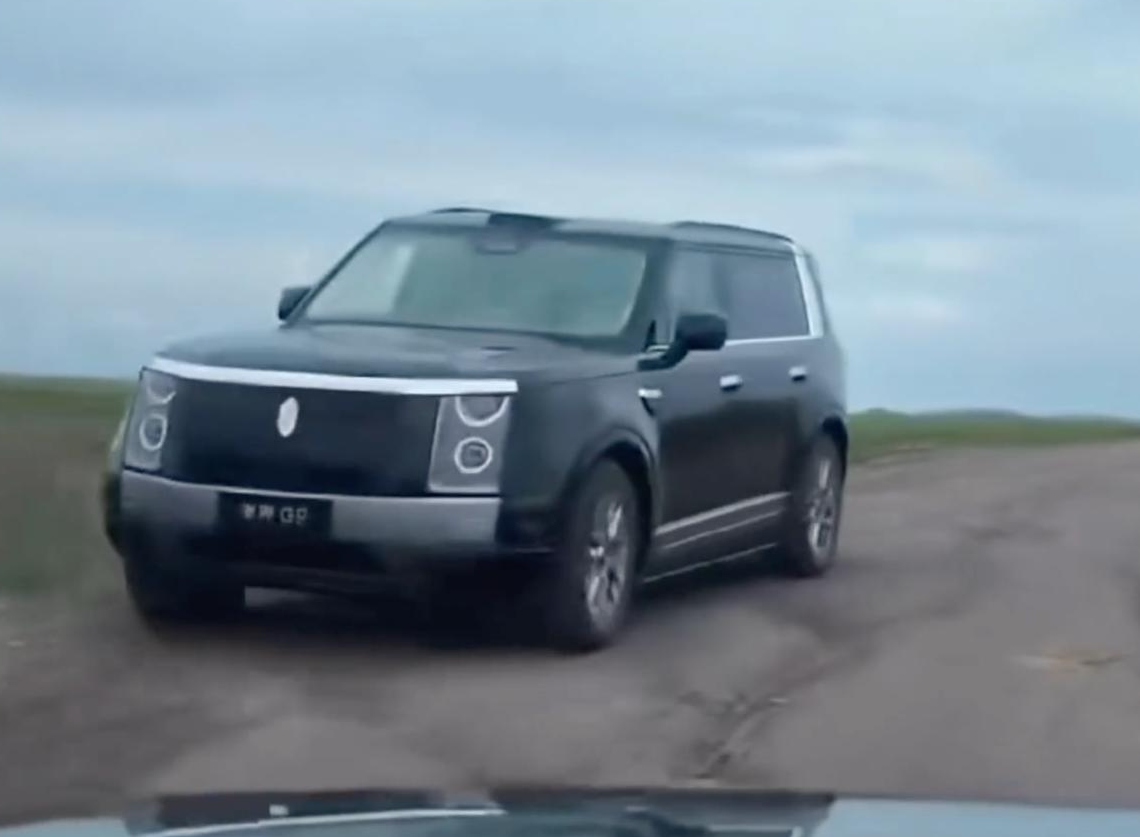
The exterior keeps Xiaomi’s family look, with “Mi”-shaped LED light clusters worked into the front grille and a SkyNomad logo set into the same panel. A roof-mounted LiDAR unit is fitted for driver-assist functions. The original information mentions vehicle dimensions, but no actual length, width, height, or wheelbase figures were provided.
| Metric | Value | Notes |
|---|---|---|
| Launch timing | Late July | Official launch scheduled |
| Seat layouts | 5-seat and 7-seat | 7-seat version uses 2-2-3 seating |
| Range extender | 1.5T, 112 kW | Petrol engine acts as generator in the EREV system |
| Drive motor output | 210 kW (282 hp) + 100 kW (134 hp) | Combined peak motor rating totals 416 hp |
| Battery | 76 kWh | Large for an extended-range SUV |
| WLTC electric range | 363 to 370 km | Real use will depend heavily on speed, load, and weather |
| Top speed | 190 km/h | Plenty for a family EREV SUV |
SkyNomad N90 range extender and 76 kWh battery
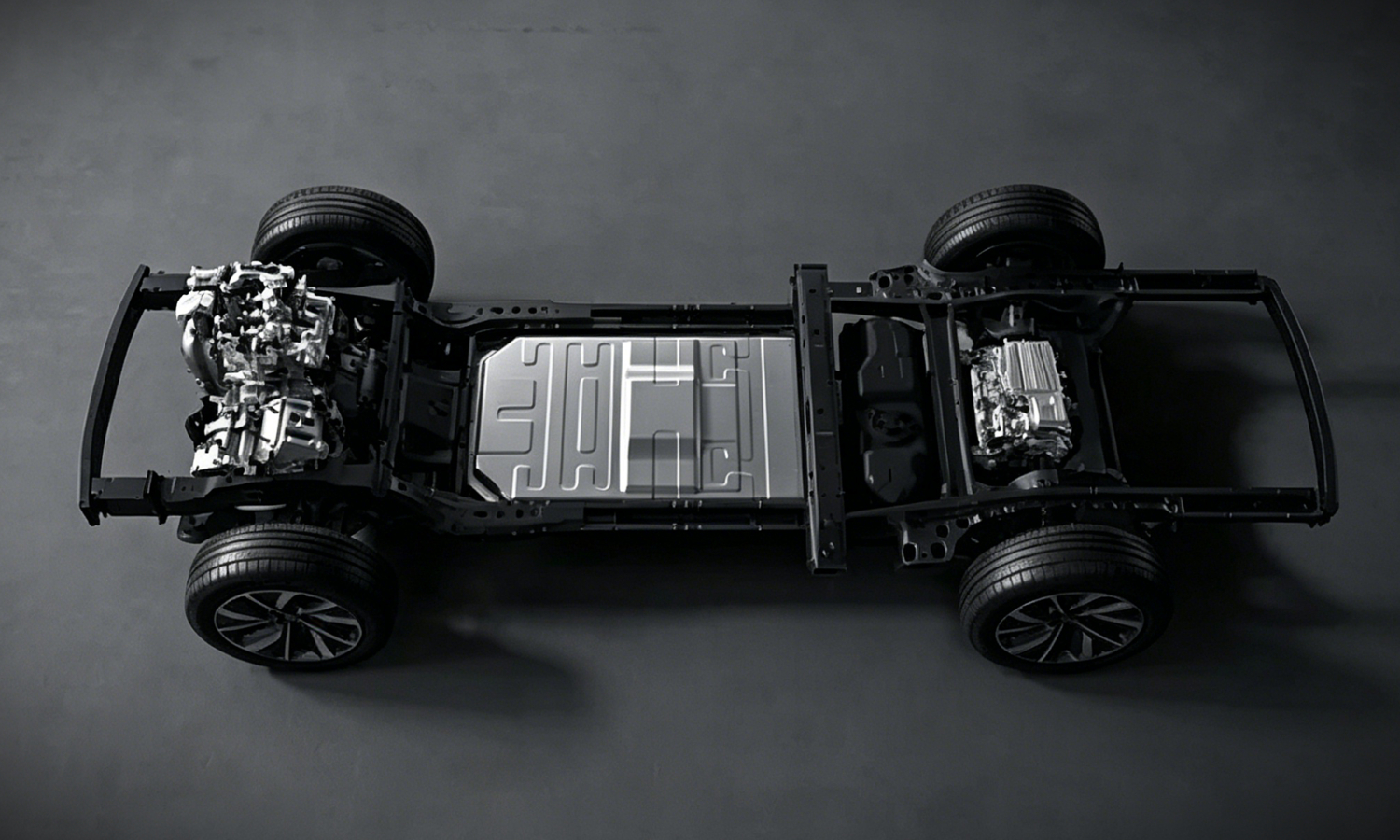
The N90 uses a 1.5T range-extender system. The petrol engine makes 112 kW, while the electric motors are rated at 210 kW (282 hp) and 100 kW (134 hp). Add those motor figures and you’re looking at 416 hp at peak, which is strong family SUV territory, even if Xiaomi hasn’t given full performance figures yet.
The 76 kWh battery is the more interesting number. That’s big enough for a WLTC pure electric range of 363 to 370 km, meaning many owners in China could treat the N90 like an EV during the week and keep the petrol generator for long trips. This is exactly why extended-range SUVs have caught fire with Chinese families: home charging covers school runs and commutes, while highway charging queues become less scary.
Buyers should still be realistic. WLTC ratings are friendlier than winter motorway driving with seven people and luggage on board. Expect less range when the cabin is full and the heater is working hard. If you’re tracking Xiaomi’s wider plan in this corner of the market, our report on Xiaomi extended-range family SUVs gives the bigger picture.
Should buyers wait for the Xiaomi SkyNomad N90?
In China, the N90 could make sense for families who need real third-row use and don’t want a full MPV. The flat floor, long seat rails, LiDAR hardware, and large battery all sound right for that job. Pricing will decide whether this is a clever family tool or just another expensive tech-branded SUV.
Outside China, I’d wait. Service coverage, parts supply, charging compatibility, software support, and resale values for newer Chinese brands are still uneven abroad. Xiaomi has a huge consumer-tech base, but selling phones and supporting heavy vehicles in export markets are very different jobs. The earlier SkyNomad sub-brand test vehicle report also suggests this product line is still taking shape.
The N90’s smartest move isn’t the LiDAR or the big screen Xiaomi will almost certainly talk about at launch. It’s the seventh seat. In China’s family SUV market, that extra place in the third row may matter more than another inch of display glass.