
Geely Galaxy M7: The Plug-in Hybrid SUV That Aims to Reignite Growth
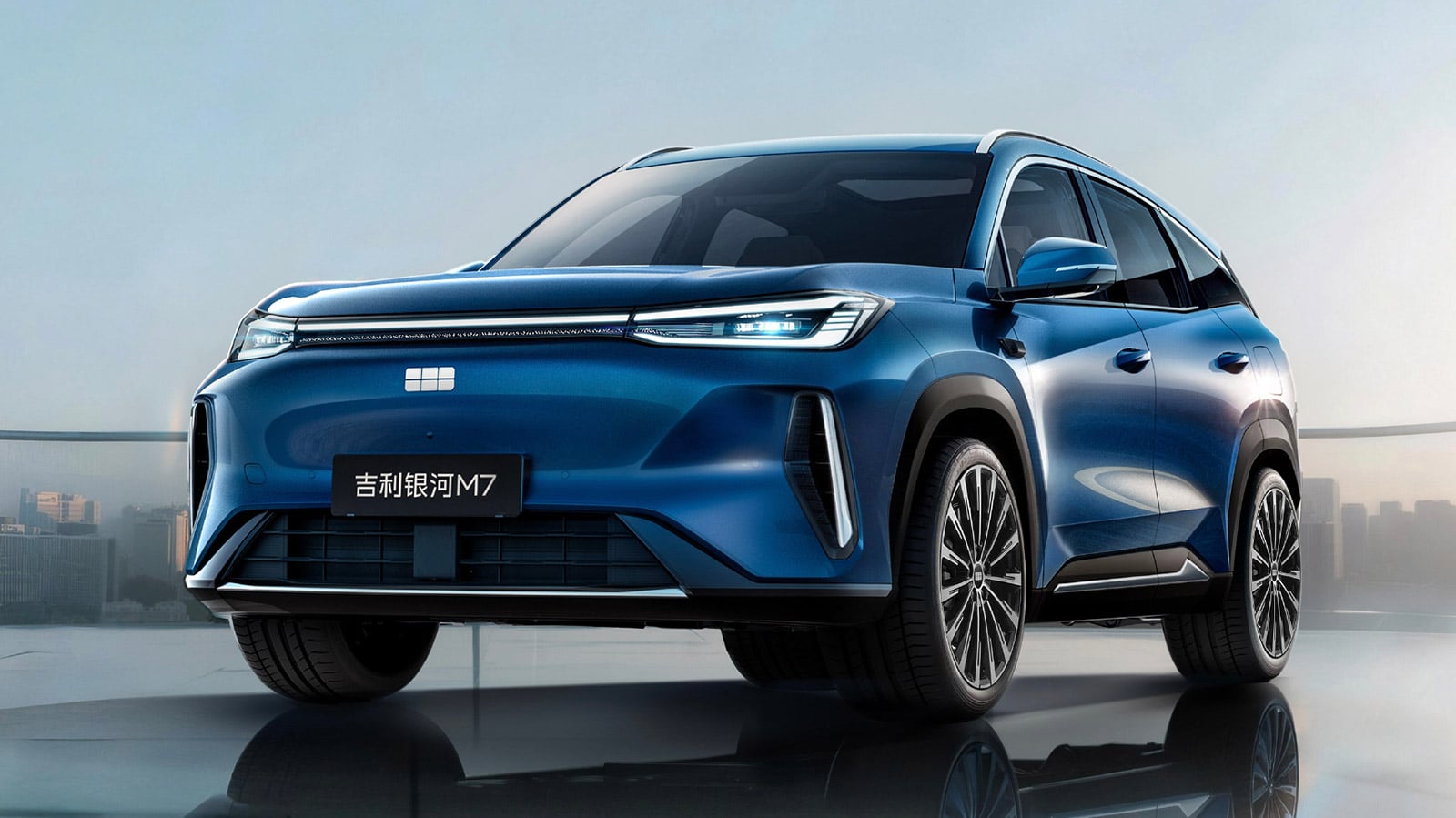
Geely Galaxy is gearing up to officially pull the wraps off its new M7 plug-in hybrid SUV on March 13th. This isn’t just another car launch; it’s a strategic move by Geely Auto to inject fresh momentum into its sales figures amidst the incredibly competitive Chinese automotive landscape. The buzz is real, especially since the first production M7 recently rolled off the assembly line at Energee, Geely’s own battery subsidiary. This milestone also marks a significant achievement for the Geely Galaxy brand, having produced 2 million vehicles in just 37 months – a testament to their rapid expansion.
As the first mid-size SUV in the M series, the M7 is packing some serious hybrid credentials. It’s slated to feature a lithium iron phosphate (LFP) battery, which is becoming increasingly popular for its cost-effectiveness and safety. What’s really going to grab attention is its impressive electric-only range, pushing up to 225 kilometers. That’s more than enough for most daily commutes and errands without touching a drop of gasoline. And for those longer journeys? Combined, the M7 boasts a staggering 1,730 kilometers of range on a full tank and a full charge. Say goodbye to range anxiety, folks.
In terms of size, the M7 is a proper mid-size SUV, measuring 4,770 mm long, 1,905 mm wide, and 1,685 mm tall, with a wheelbase of 2,785 mm. These dimensions promise a spacious and comfortable interior for families and cargo alike. While official pricing is still under wraps, expectations are that it will be positioned below the larger M9 model, which retails around 173,800 yuan (approximately $25,100). This suggests Geely is aiming for a high level of cost performance, a strategy that resonates deeply with Chinese consumers who are always on the hunt for value.
The timing couldn’t be better. Plug-in hybrids are proving to be Geely’s golden ticket, with sales in this segment skyrocketing by about 89% year-on-year in February. This surge, coupled with strong overseas exports, helped Geely achieve a modest 1% overall sales growth in February, a traditionally slower month. By introducing the M7, Geely is smartly capitalizing on this surging demand for efficient, cost-effective hybrid vehicles. It’s a calculated play to not only regain growth but to solidify its position as a leader in this crucial segment. You can expect the M7 to officially hit showrooms in the first half of this year, and knowing Geely’s pace, it might even arrive sooner.
The Chinese EV market is a whirlwind of innovation and intense competition, with brands constantly updating their offerings. Geely’s focus on hybrids, leveraging advanced battery tech from subsidiaries like Energee, is a smart move. We’re seeing similar strategies from other major players, all vying for market share. While EVs grab headlines, the practical appeal of PHEVs like the M7, offering the best of both worlds, is undeniable. It’s a segment where Chinese manufacturers are truly shining, blending advanced technology with affordability. Keep an eye on the M7; it’s poised to make a significant impact.
Quick Specs & Metrics
| Metric | Value |
|---|---|
| Pure Electric Range | Up to 225 km |
| Combined Range | Up to 1,730 km |
| Length | 4,770 mm |
| Width | 1,905 mm |
| Height | 1,685 mm |
| Wheelbase | 2,785 mm |
| Battery Type | Lithium Iron Phosphate (LFP) |
| Estimated Price Point | Lower than M9 (~ 173,800 yuan) |