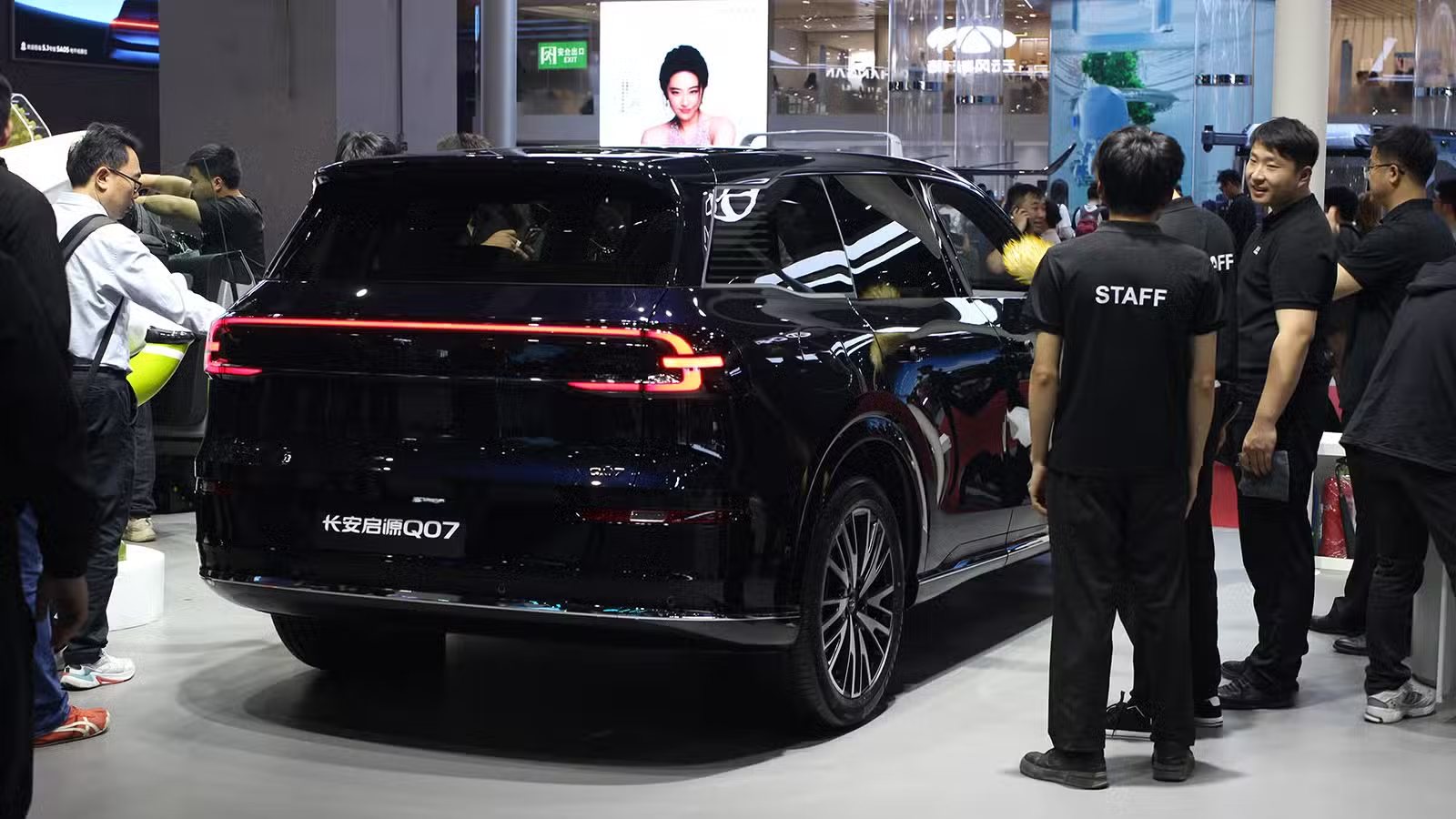

Standing at the center of the bustling 2026 Beijing Auto Show, the strongest impression isn’t the sheer number of new vehicles, but a profound sense of “evolutionary anxiety” and “order reconstruction.”
The Chinese automotive market is currently in a state of extreme polarization: on one hand, record-breaking export achievements; on the other, a brutal price war at home. While this year’s Beijing Auto Show has grown 70% compared to two years ago, with over 200 new car launches, the reality is that rapid iterations are leading to increased revenue without increased profits for many automakers. Against this backdrop, Changan Auto held a media communication meeting that served as both an explanation of its “1445” strategy and a post-mortem and prediction for the industry’s “survival game” over the next five years.
If the past few years were defined by debates over “pure electric vs. extended-range,” the 2026 Beijing Auto Show has revealed a harsh truth: powertrain type is no longer the sole variable for victory. “Efficiency under scale” and “globalization of the entire industry chain” are now the true entry tickets to the world’s first-tier automotive ranks.
### Avatr and Deepal: The “Independent yet Collaborative” Strategy
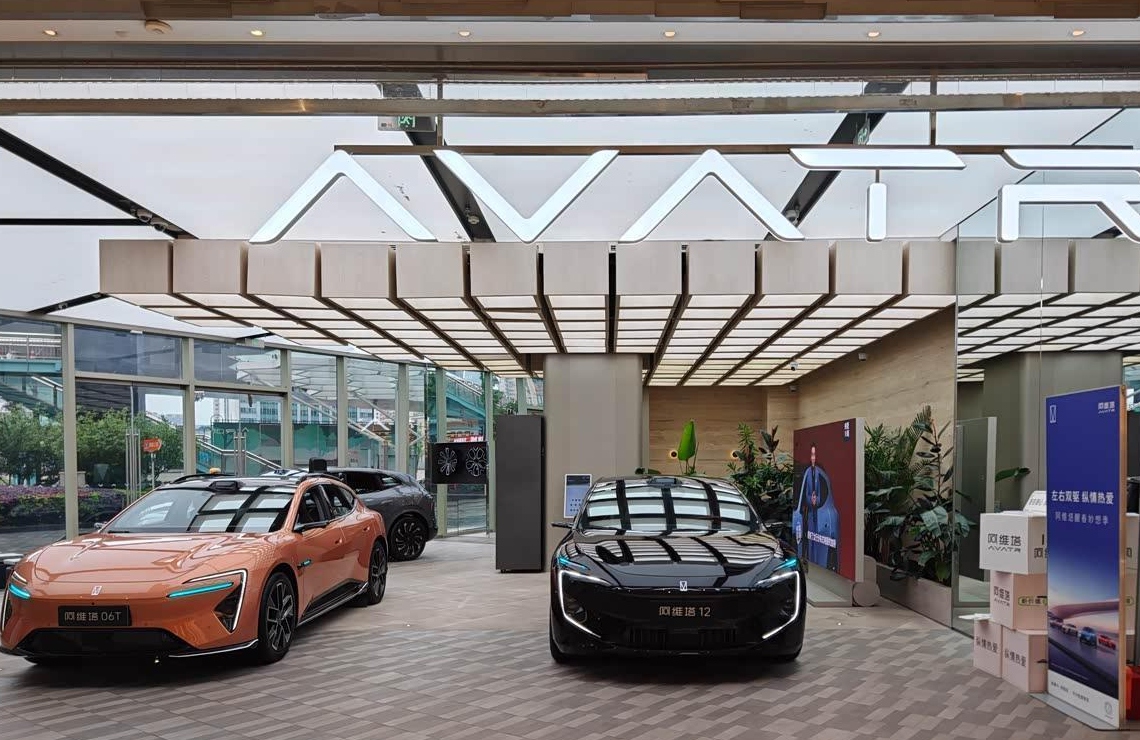
The most significant announcement was Changan’s deployment of a comprehensive strategic synergy between its two major NEV (New Energy Vehicle) brands: Avatr and Deepal.
In 2025, Changan Auto hit a nine-year high with annual sales of 2.913 million units, up 8.5% year-on-year. Standing at this “3-million-unit” milestone, Zhao Fei, General Manager of China Changan Automobile Group, shared a sobering projection: by 2030, the top 15-20 global automakers will command 80% of the market. This means 3 million units is merely the threshold for survival, 5 million is the mark of “living well,” and to break into the global Top 10, a manufacturer must surpass the 8-million to 10-million-unit barrier.
This is the underlying logic behind the integration of Avatr and Deepal. In a capital-intensive, long-cycle industry, “lone wolf” heroism is obsolete. Changan’s strategy is pragmatic: “Independent front-ends, collaborative back-ends.”
The independent front-end preserves the “soul” of the brands. Avatr will maintain its high-end positioning of “originality, emotion, and new luxury,” while Deepal continues to focus on “youth, technology, and sports.”
The collaborative back-end, however, is about survival. Zhao Fei noted that in the final stages of competition, the winning weapon is “efficiency.” By sharing electric drive systems and intelligent driving modules across Avatr, Deepal, and Qiyuan, Changan can leverage its 3-million-unit scale to achieve advantages in R&D amortization, procurement costs, and quality control that startups selling only a few thousand units a month can never match.
Changan plans to streamline its product portfolio from 63 models to 36, concentrating resources on core products with global competitiveness. Despite the integration, Avatr President Chen Zhu reaffirmed that the brand’s plans for a Hong Kong IPO remain unchanged.
### Survival Beyond 3 Million Units
While Q1 2026 sales showed a steady recovery, the pressure is real. Factors like the reduction of NEV tax incentives in China, Mexico’s import tariff hike from 20% to 50%, and geopolitical impacts on global supply chains have made the start of 2026 volatile.
However, for a giant like Changan, short-term fluctuations are just “breathing adjustments” in a marathon. Chairman Zhu Huarong’s two-step strategy remains: reach 5 million units and the global Top 10 by 2030, and solidify that Top 10 position as a world-class brand by 2035.
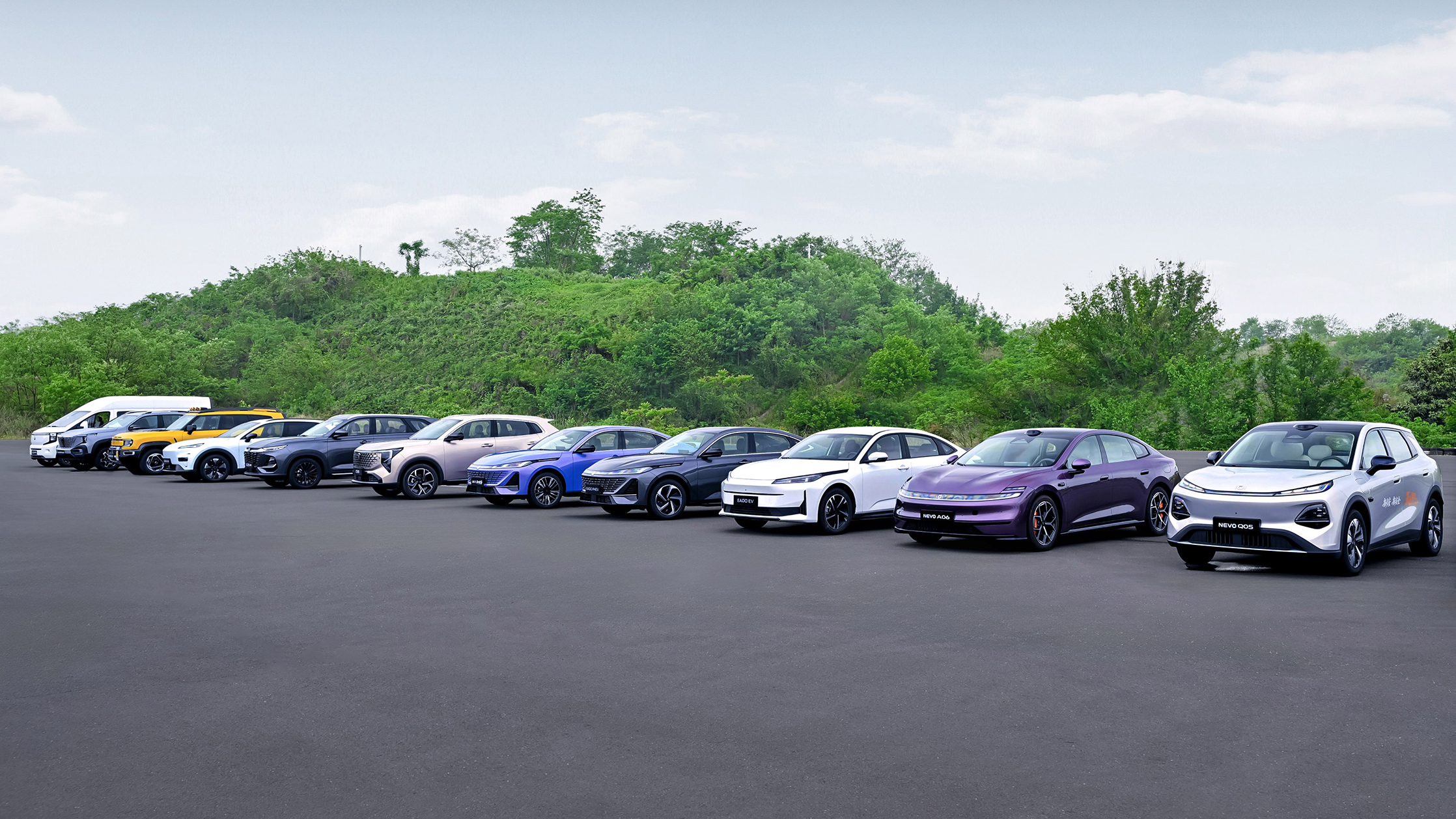
To achieve this, Changan is launching over ten new or refreshed models starting in April. The Qiyuan brand is filling its matrix with the Q06 and A05L, while Avatr targets the high-end market above 200,000 RMB ($27,586) with a goal of 20,000 units per month. Deepal aims for global sales of 480,000 units, leaning heavily into its “tech” identity.
Interestingly, Changan remains realistic about powertrains. Executive Vice President Yang Dayong predicts that by 2030, HEVs (Hybrid Electric Vehicles) will account for over 60% of fuel-powered cars in China. “We do what the user needs,” Yang stated, noting that many global markets lack charging infrastructure, making HEVs a more practical choice for many consumers.
### Vast Ocean Plan 2.0: From Exporting to Rooting
In 2025, Changan sold 637,000 vehicles overseas. To support its “Vast Ocean Plan 2.0,” Changan is moving from “trading” to “localization.”
“Phase 1.0 was about looking out and selling products; Phase 2.0 is about the entire industry chain and system going global,” explained Executive Vice President Ye Pei. This means full-cycle globalization—R&D, production, supply, sales, and logistics. With plants in Rayong, Thailand, and new bases in Brazil, Changan is building a “1+N” global supply layout.
Over the next five years, Changan will invest 100 billion RMB ($13.8 billion) in strategic resources to double its independent brand overseas sales to 1.5 million units (striving for 1.8 million), accounting for 35% to 40% of total sales. By 2030, the company aims to have an overseas production capacity of 800,000 units.
In an era of uncertainty, Changan’s core competitiveness lies in its strategic focus and efficiency revolution. By concentrating on scale, safety, and long-term global positioning rather than short-term gimmicks, Changan isn’t just running the race—it’s reading the wind.
Your daily pit stop for Chinese EV news, tech, and trends.