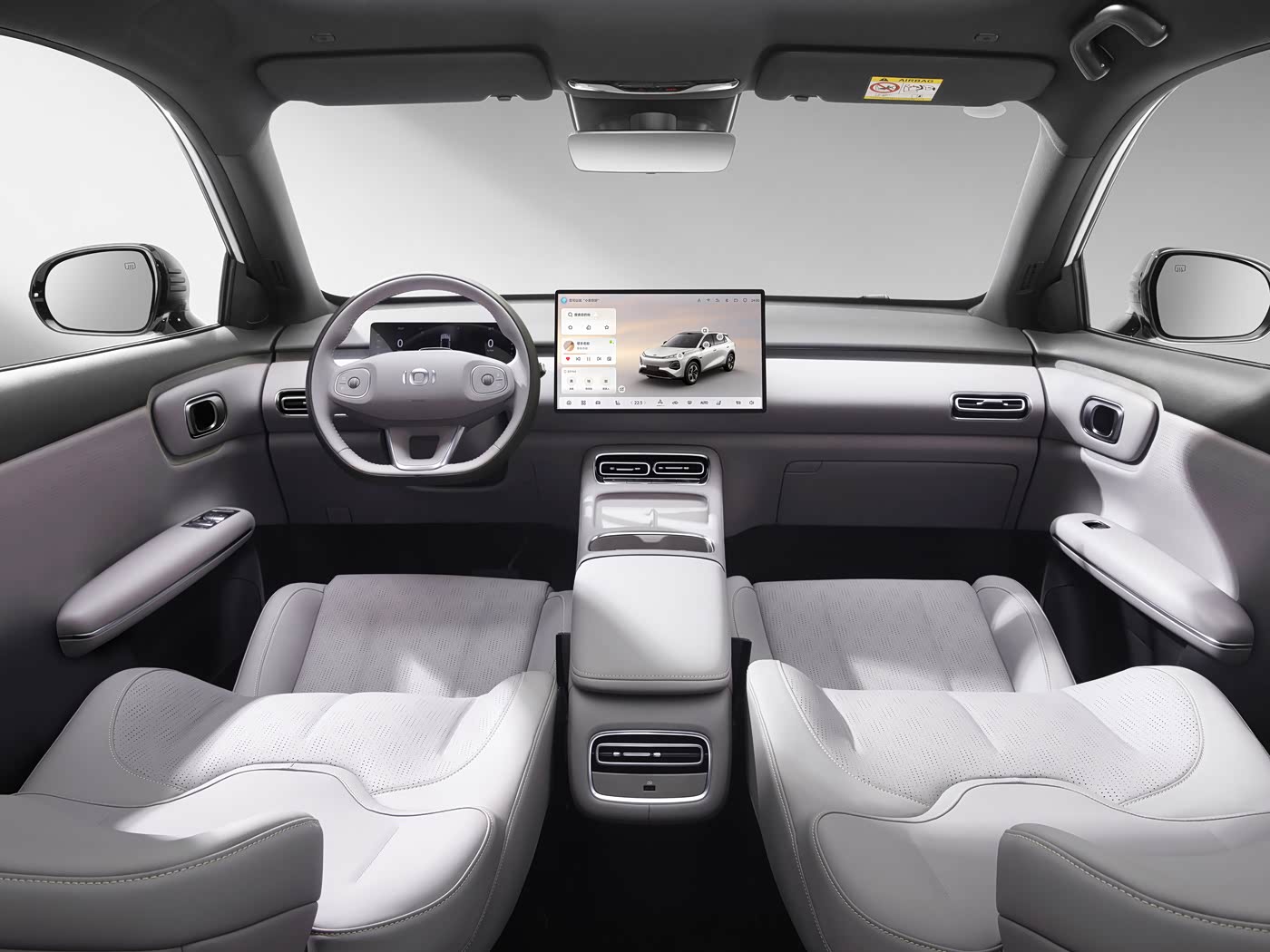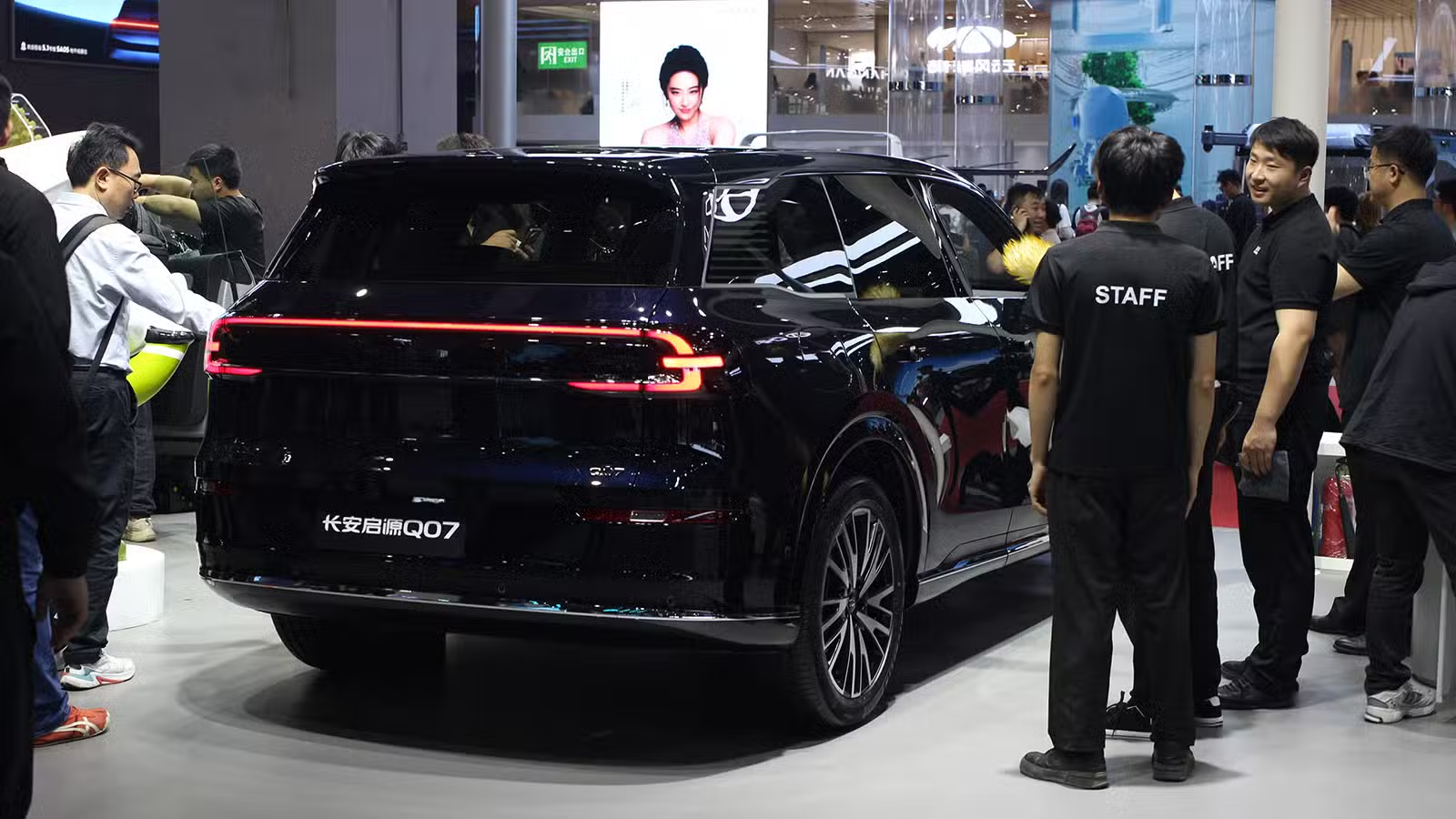

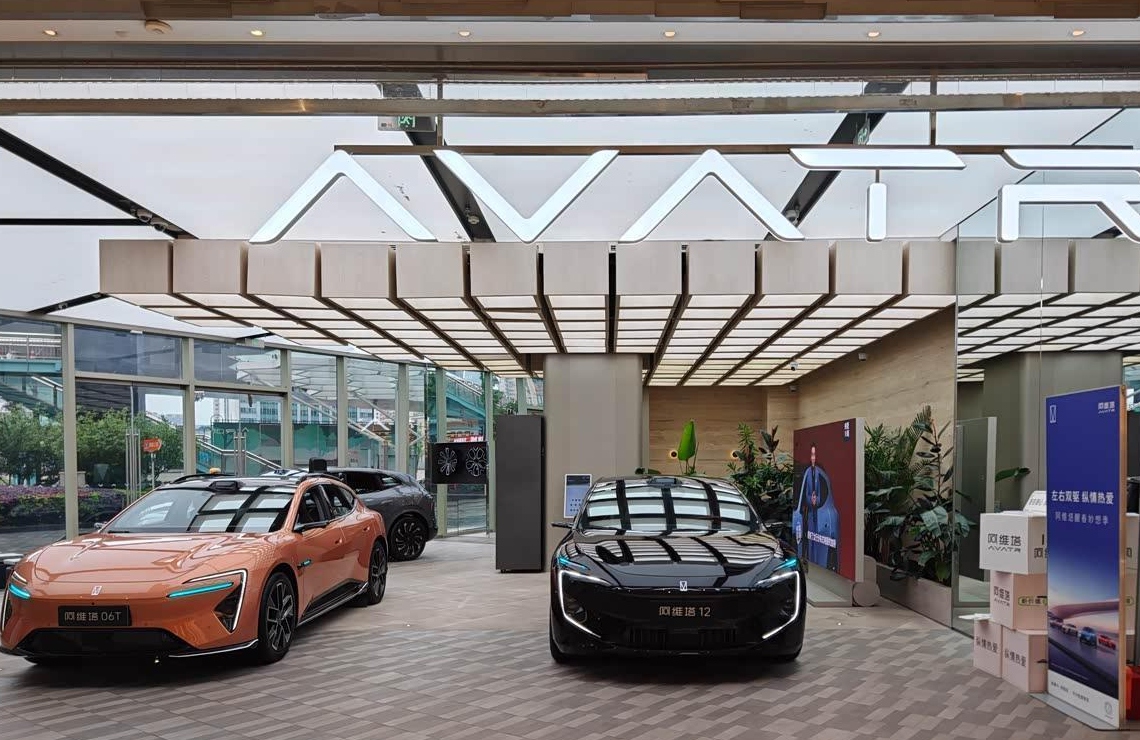
The 2026 Beijing Auto Show, which recently concluded, felt less like a showcase of technological evolution and more like a manifestation of deep-seated industry anxiety. Two years ago, the conversation was dominated by the “second half of intelligence.” Today, with over 200 press conferences held during the show—averaging one new vehicle launch every 10 minutes—the subtext has shifted to a desperate plea for survival.
The Chinese automotive market has entered a “black hole” of order. Despite the frantic efforts of executives to generate buzz and capture attention, the sheer volume of new models is merely diluting traffic and focus, leaving few clear winners. Amidst this noise, Changan Automobile, a veteran industry giant, has made a bold move: it is integrating its sub-brands, Avatr and Deepal.
### The End of “More Children, More Fights”
In 2025, Changan sold 2.913 million vehicles, a nine-year high and its sixth consecutive year of growth. However, a look at the financial reports reveals a stark reality: while revenue saw a slight uptick, net profit was slashed by 44%. This is the true face of the industry—increasing volume without increasing profitability.
Changan Chairman Zhu Huarong has long warned of “brand redundancy.” The old strategy of “more children, more fights” (launching multiple brands to capture market share) has backfired. By 2026, these brands—all under the same corporate umbrella—are cannibalizing each other’s sales.
Strategically, Avatr was positioned for the 250,000–700,000 RMB ($34,500–$96,600) segment, while Deepal targeted the 150,000–300,000 RMB ($20,700–$41,400) range. In practice, they are colliding head-on. For instance, the Deepal S09, priced at 259,900 RMB ($35,800), directly encroaches on Avatr’s territory, while the Avatr 06T, starting at 219,900 RMB ($30,300), competes with Deepal’s premium offerings. Both brands missed their KPIs in 2025, with Avatr posting a loss of nearly 1.59 billion RMB ($219 million) in the first half of the year, and Deepal losing 900 million RMB ($124 million) for the full year.
Zhu Huarong noted that by 2030, an annual sales volume of 3 million units will be the bare minimum to “survive,” while 5 million will be required to “thrive.” Changan is currently hovering at this threshold. Continuing to operate Avatr and Deepal independently is simply unsustainable.
### A Revolution in Efficiency
Changan’s integration strategy is not a full merger, but rather “independent front-ends with synergistic back-ends.” Brand identity and user-facing operations will remain distinct, but research costs, component procurement, and system infrastructure will be consolidated.
According to Avatr Vice President Yong Jun, the automotive industry is a game of scale. By sharing high-level intelligent driving modules between Avatr and Deepal, Changan expects to reduce costs by 20% to 30% through economies of scale. In an industry where profit margins dipped to 3.2% in the first quarter of 2026, these savings are critical.
Furthermore, Changan is streamlining its product lineup, reducing the number of models from 63 to 36 over the next five years—a 43% reduction. The goal is to shift from “sprinkling pepper” (launching everything) to “clenched fists” (focusing resources on globally competitive core products).
### The Industry-Wide “Elimination Game”
Changan is not alone in this shift. Geely consolidated its brands under a unified holding structure in 2024, SAIC has unified its passenger vehicle division, and GAC is integrating supply chains for Aion and Hyper. As Roland Berger expert Zheng Yun predicts, the Chinese market may consolidate into just 5 to 7 major players with annual sales exceeding 2 million units by 2030.
For Changan, the integration of Avatr and Deepal—aiming for a combined 1.5 million units by 2030—is more than just a cost-cutting measure; it is a fundamental reshaping of its brand value and systemic capabilities. In the current “deep-water” phase of the Chinese auto industry, speed is no longer the only metric. Survival now belongs to those with the most robust systems and the courage to make the toughest decisions.
Your daily pit stop for Chinese EV news, tech, and trends.