
Did you know that Macau has some of the highest vehicle taxes in the world, charging up to 70% of a car’s value based on engine size? That’s why Li Auto’s latest move to sell its electric SUVs there is so bold. They’ve just opened their first retail center outside mainland China, and it’s not just about selling cars; it’s a strategic play in a tricky market.
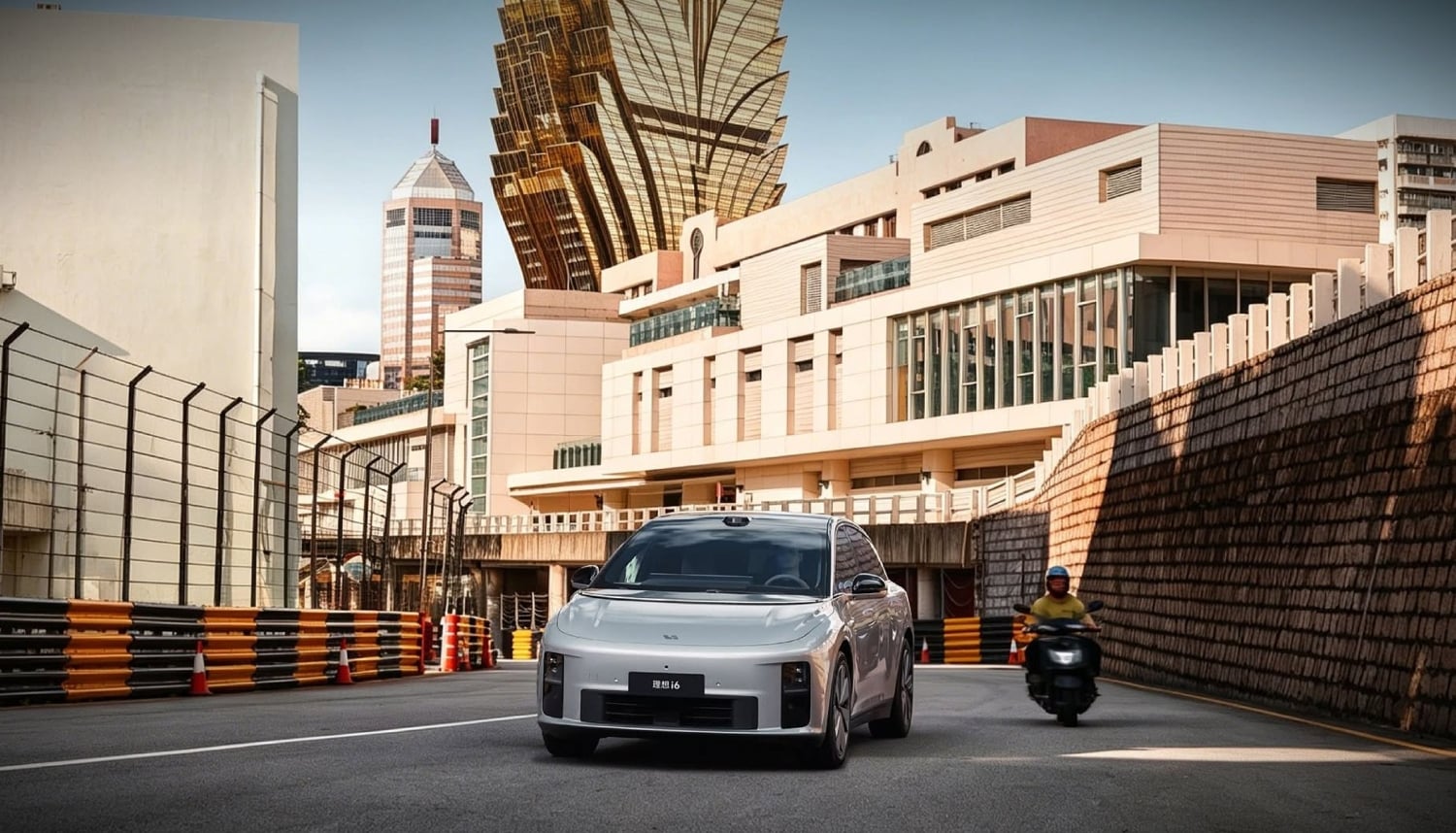
The i6 and i8 are the first models hitting the Macau streets, adapted to meet local regulations. These aren’t just standard models with a fresh coat of paint; they feature specialized window glass and updated software for cross-border travel. Also, they’ve ditched the range-extended powertrains, opting instead for full battery electric systems. This is a smart move, given the local tax structure that penalizes hybrids.
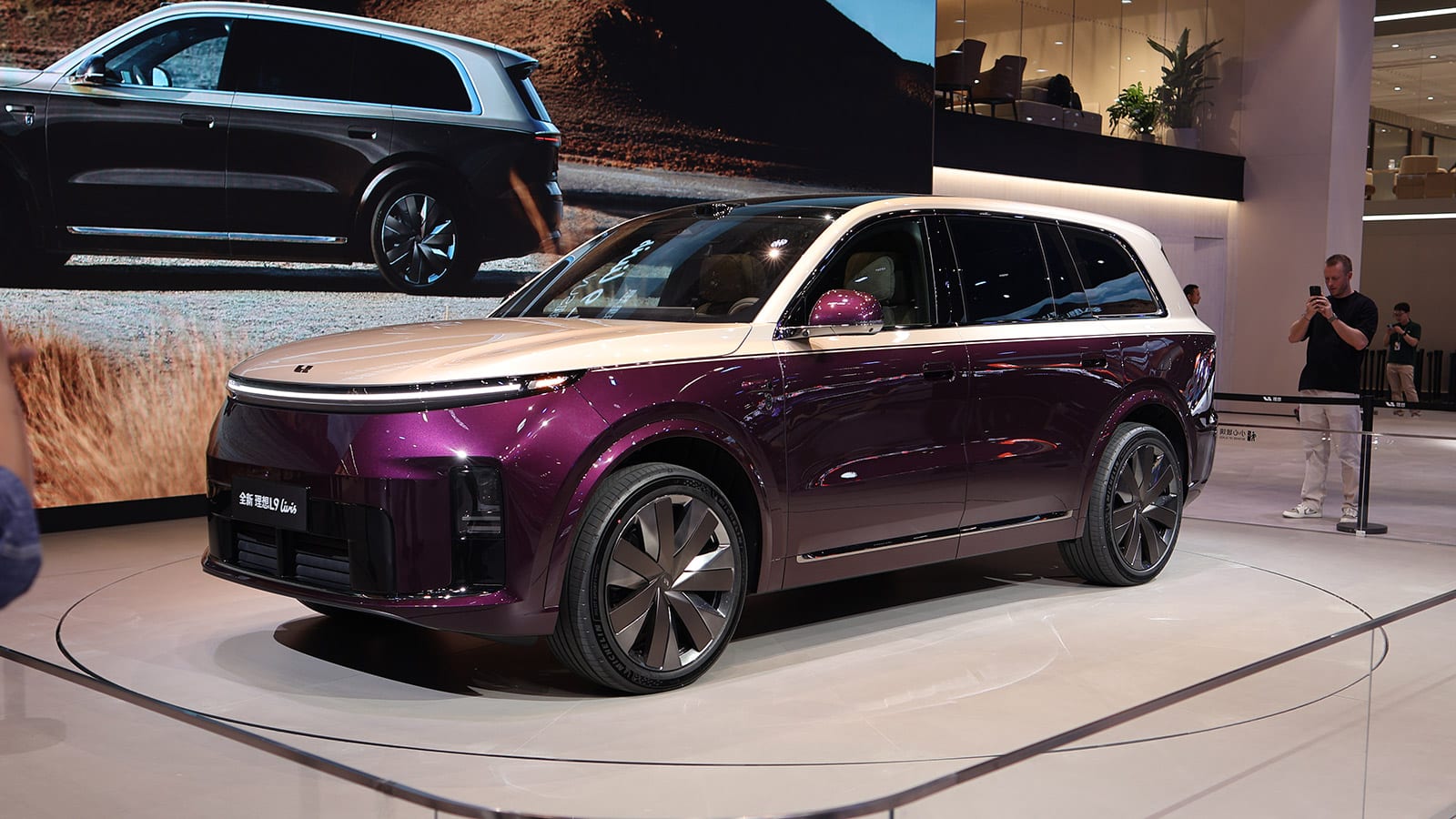
Macau’s regulations classify the Li L8 and L9 as hybrids because they use a 1.5-liter gasoline engine as a generator, which excludes them from zero-emission tax breaks. This leaves Li Auto with no choice but to focus on their fully electric models to stay competitive. And they’ve priced the i6 at 279,900 yuan (about $41,200) after a few local fees. That’s a notable increase from the mainland price of 249,800 yuan (around $36,700). The flagship i8 is even pricier at 370,917 yuan ($54,600), which is a step up from its mainland price of 339,800 yuan ($49,990).
| Metric | Value | Notes |
|---|---|---|
| i6 Price | 279,900 yuan | ~$41,200, includes local fees |
| i8 Price | 370,917 yuan | ~$54,600, higher than mainland |
| Battery Capacity | 87.3 kWh | 5C fast-charging capability |
| Range | 720 km | CLTC range under typical use |
Li Auto didn’t just slap a new paint job on these vehicles; they made real changes. For instance, they worked with Fuyao Glass to use dual-layer laminated glass instead of the standard privacy glass, which meets local light transmittance requirements without compromising on safety and noise insulation. Plus, the cabin tech is now better suited for cross-border trips, with connectivity cards ensuring you stay online during customs checks. This is a thoughtful touch for drivers who frequently zip between Macau and Guangdong.
One intriguing aspect of this expansion is that Li Auto is sticking to left-hand drive configurations, which is a smart move for future cross-border sales. While both regions drive on the left, Macau allows left-hand-drive cars, unlike Hong Kong, which strictly regulates them. This means Li Auto can deliver directly from their existing factories without needing to make significant changes to their manufacturing process.
With this Macau launch, Li Auto is also prepping for a big push into Hong Kong later this year. They’re testing the waters for their Mega RHD model, which is tailored for right-hand-drive markets. If they can nail this rollout, it could set the stage for expansions into other markets in Asia and beyond.
Sales figures tell an interesting story. In May 2026, Li Auto sold 33,350 units domestically, which is down from previous months. This drop highlights the competitive nature of the EV market in China. As they work on solidifying their overseas distribution, these early sales in Macau will provide valuable insights for future endeavors.
So, should you consider a Li Auto SUV, or is it better to wait? If you’re in Macau, these cars offer a fresh alternative to the traditional combustion models that dominate the market. But keep in mind the pricing; it’s significantly higher than the mainland, which could be a turn-off. If you’re eyeing a purchase, make sure to weigh the cost against your charging and service options—especially if you’re planning to drive across the border often.
Updated: 29 June, 1:00 China time.
Adrian Leung
Writer
Adrian, an Electrical and Computer Engineering graduate with a love for cars, brings expertise and enthusiasm to every test at CarNewsChina. He also enjoys audio, photography, and staying active.