
Kazakhstan just became Li Auto’s first production bet outside China. For a company that built its whole identity around Chinese family SUVs, that’s a bigger move than another export announcement.
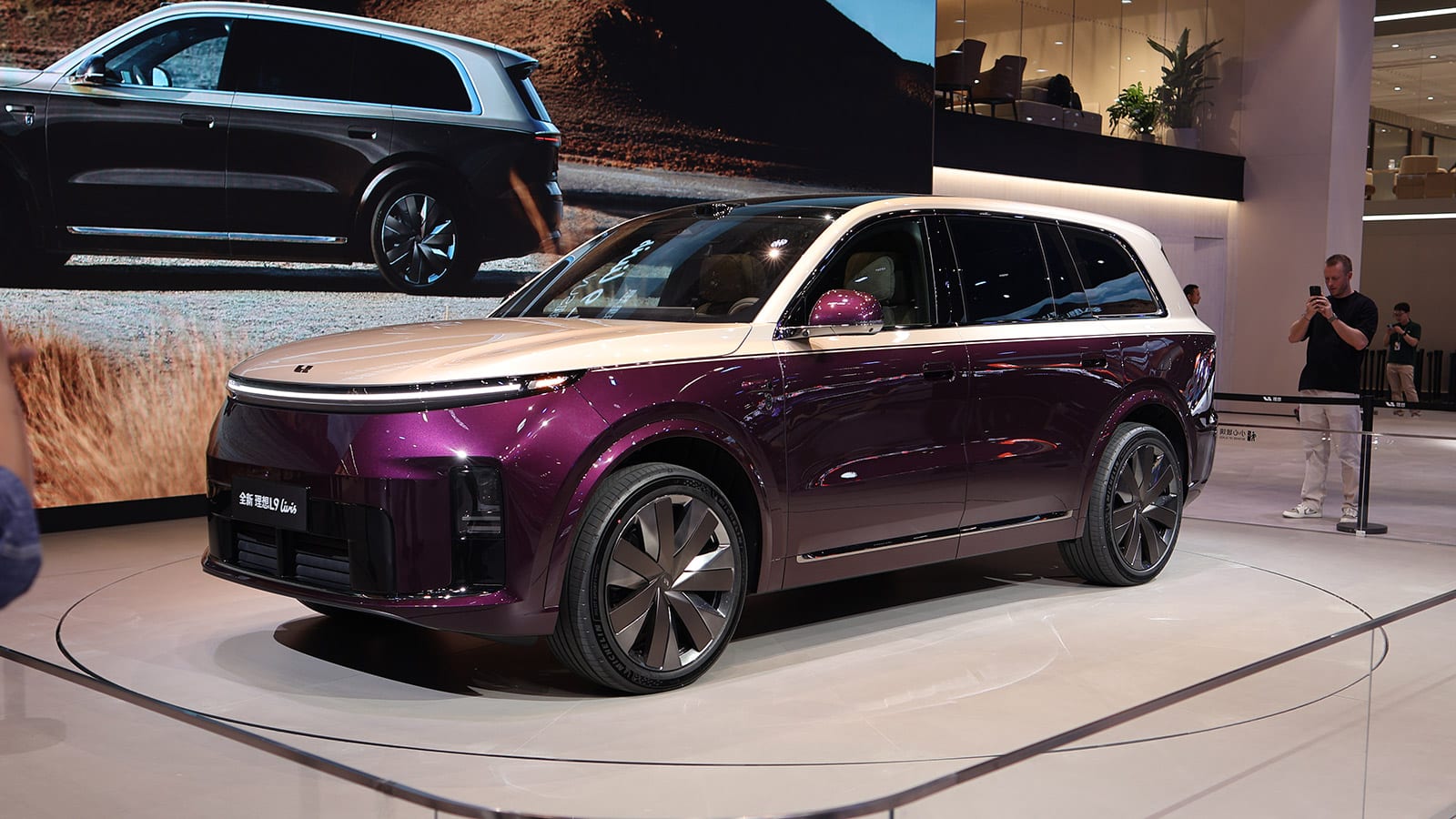
Li Auto (NASDAQ: LI) has put the updated Li L9 on sale in Kazakhstan, and the pricing tells you exactly where the brand thinks it sits. The Ultra version is listed at 43,990,000 Kazakhstani tenge, or about $92,830. The higher-end Livis version is 51,900,000 tenge. That’s serious money, closer to premium German SUV territory than bargain Chinese EV territory.
The more interesting part is the factory. Li Auto has signed a partnership with Kazakh automotive group Allur, and the two companies plan to assemble Li Auto vehicles at Allur’s plant in Kostanay. The agreement was signed during a Kazakhstan-China roundtable meeting in Shanghai, with Kazakh president Kassym-Jomart Tokayev present.
Ma Donghui, Li Auto’s co-founder, president and chief engineer, said Central Asia is a starting point for Li Auto’s globalization, and that working with Allur moves the company away from pure vehicle exports toward local production. In plain English: Li Auto wants shorter delivery times, lower purchase costs, local service, and a base that can feed nearby markets without shipping every car out of China.
Why Kazakhstan matters for the Li L9 overseas push
Kazakhstan is a logical first step. It has money in the top end of the market, harsh winters that test battery management properly, and a buyer base already familiar with Chinese cars. It also gives Li Auto a bridge into Central Asia without immediately jumping into Europe’s regulatory thicket.
The new Li L9 is being treated as Li Auto’s first global model. The company says it has adjusted charging performance and thermal management for Kazakhstan’s climate, road conditions and charging setup. That sounds like a small detail until you’ve driven an EV or EREV in real cold. Software calibration, heat pump behavior and battery preconditioning can make the difference between a relaxed family trip and a very long coffee stop.
Li Auto has also partnered with Russian internet company Yandex and Chinese mapping provider Amap for the Kazakhstan version. The infotainment package supports Yandex Maps, Yandex Music, Yandex Books and Yandex Video, plus built-in Spotify and Apple CarPlay. Good. Chinese brands often underestimate how quickly a fancy cabin feels second-rate when the maps, music and voice services don’t fit the local market.
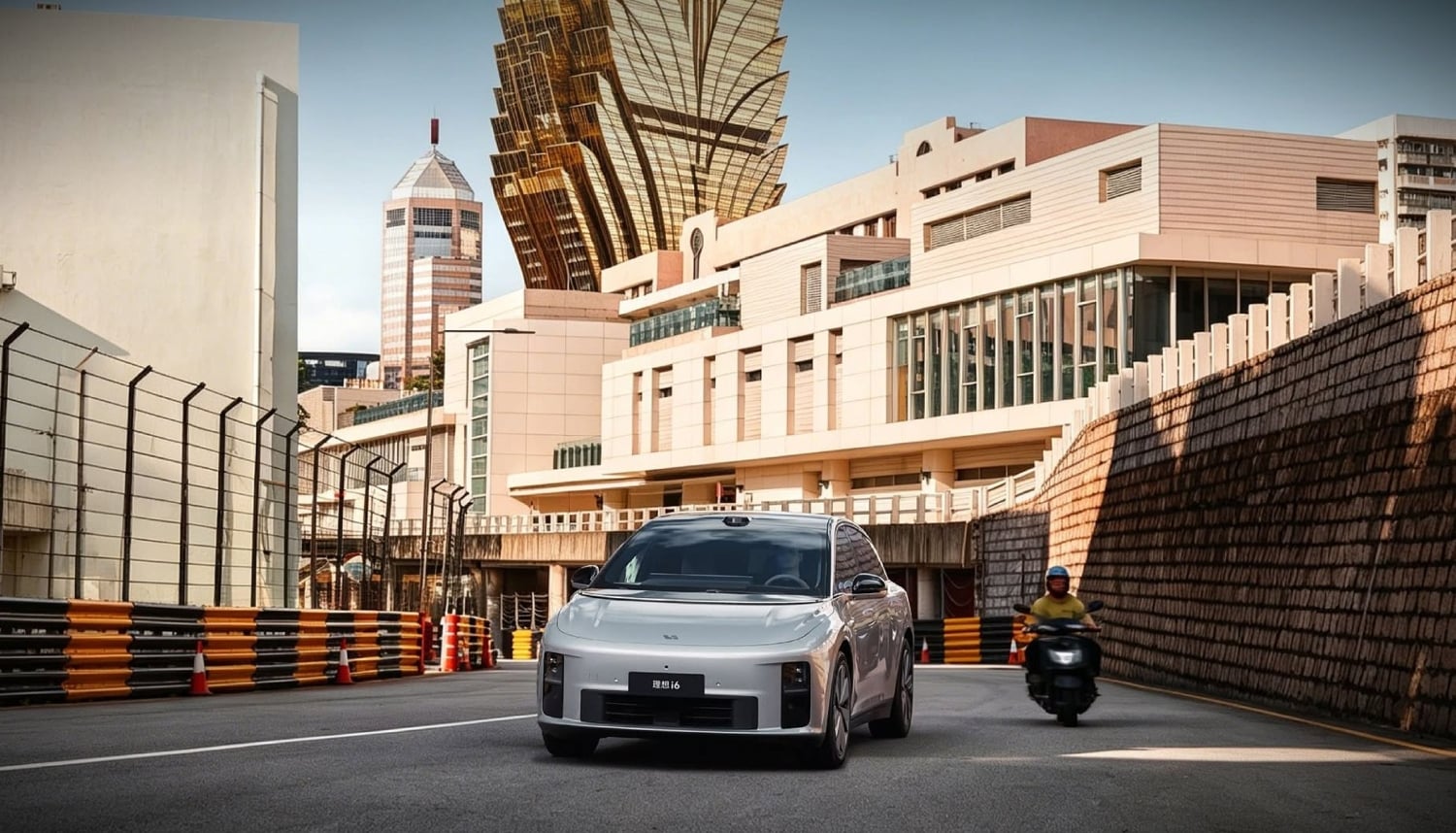
For more on how Li Auto has been shaping its overseas retail play, our earlier piece on Li Auto’s Macau market entry is worth revisiting.
| Metric | Value | Notes |
|---|---|---|
| Kazakhstan Li L9 Ultra price | 43,990,000 tenge ($92,830) | Entry Kazakhstan version |
| Kazakhstan Li L9 Livis price | 51,900,000 tenge | Higher-end version |
| WLTC battery-only range | 350 km | Third-generation Li Auto EREV system |
| Combined range | 1,370 km | Battery plus range extender |
| China starting price | 459,800 yuan ($67,680) | Ultra and Livis sold in China |
| Cumulative Li L9 deliveries | Over 300,000 units | Model launched in June 2022 |
| June deliveries | 6,106 units | Up 24.79% year-on-year, up 137.59% from May |
| 2025 deliveries | 45,214 units | Down 47.31% year-on-year |
Li L9 specs: big range, big cabin, complicated promise
The updated Li L9 uses Li Auto’s in-house third-generation extended-range electric vehicle system. It offers 350 kilometers of WLTC battery-only range and 1,370 kilometers of combined range. For buyers in Kazakhstan, that matters more than a headline 0 to 100 km/h figure would. Long distances, cold weather and patchy fast charging make an EREV easier to live with than a pure battery SUV.
The hardware list is very Li Auto: 800-volt active suspension, steer-by-wire, rear-wheel steering, a 29-inch panoramic display and a Qualcomm Snapdragon 8797 chip for the cabin. The steering and suspension tech also put Li Auto back into a conversation that has already caused sparks in China, including the chassis debate we covered in Nio’s dispute over Li Auto suspension claims.
The overseas version gets a dedicated Li Auto app, charging interfaces compatible with international markets, and a localized infotainment system that can keep receiving OTA software updates. Buyers should still ask a blunt question at the dealership: which charging connectors are fitted, which public chargers have been tested, and what happens when an OTA update fails outside China?
Service network and warranty will decide buyer confidence
Li Auto is working with authorized dealers including Allur and Doscar to build official sales and service coverage in Almaty, Astana and other major cities. Customers buying through those channels get official warranties, certified maintenance and repairs, original spare parts, technical support and continuing OTA software updates.
That dealer detail isn’t boring. It’s the whole game. A $92,830 Chinese flagship SUV can be a clever family car if parts, diagnostics and trained technicians are nearby. If service depends on grey-market channels, resale values can get ugly fast. This is why local assembly in Kostanay matters more than the ribbon-cutting photo.
Li Auto says local production should shorten delivery times, cut purchase costs for local consumers and give it capacity for a wider group of overseas markets. Watch the second claim closely. If local assembly doesn’t show up in transaction prices, buyers will see it as industrial policy, not a better deal.
China sales give Li Auto some breathing room
The Li L9 has passed 300,000 cumulative deliveries. It was launched in June 2022, with deliveries starting in late August that year, so it took 4 years to hit that mark. As of June 2026, Li Auto says the L9 ranked first for cumulative insurance registrations in China’s full-size SUV market.
The updated-generation Li L9 arrived on May 15 with major changes to the flagship EREV. In China, it comes in Ultra and Livis versions, starting at 459,800 yuan, or $67,680. The company said then that an overseas-specific L9 would arrive in the third quarter, first for Central Asia and the Middle East.
Sales needed the refresh. June deliveries reached 6,106 units, up 24.79% year-on-year and 137.59% compared with May, based on compiled delivery data. The darker number is 2025: Li L9 deliveries dropped 47.31% year-on-year to 45,214 units as rivals with larger battery packs crowded into the same family SUV space. You can see the pressure across Li Auto’s range in our Li Auto April deliveries breakdown.
Should Kazakhstan buyers buy the Li L9 or wait?
If you need a huge family SUV now, drive long distances, and don’t want to plan life around fast chargers, the Li L9 makes more sense than many pure EVs in the region. The 350 km WLTC electric range covers daily driving, while the 1,370 km combined range removes most road-trip anxiety. It’s exactly the use case Li Auto built its L-series around.
If you’re price sensitive, wait. Local assembly at Allur’s Kostanay plant may bring better pricing, shorter delivery windows or stronger service coverage once production settles. Early import pricing often carries a premium, and 51,900,000 tenge for a Livis is a lot to risk before resale values are proven.
Li Auto has already entered Uzbekistan, Kazakhstan, Azerbaijan, Egypt and Macao, China. Its first overseas retail center opened in Uzbekistan in October 2025, followed by Kazakhstan, Egypt and Azerbaijan in December. Next on the list are Cambodia, Laos and Myanmar this year, plus the Middle East through dealer agreements in the United Arab Emirates and Saudi Arabia. For context on its L-series positioning, our take on Li Auto’s upgraded L8 shows how the brand keeps chasing family buyers with tech-heavy SUVs.
The company plans to target family users in Central Asia and the Middle East with L-series EREVs, then enter Europe’s battery electric vehicle market in the second half of this year. It also plans a right-hand-drive Li Mega MPV for Asia-Pacific markets including Hong Kong and Singapore by the end of this year.
Exchange rates used by Li Auto: $1 = 6.7939 yuan, and $1 = 473.88 Kazakh tenge.
Update: Extra details on local production in Kazakhstan have been added based on Li Auto’s latest statement.