
Xpeng (NYSE: XPEV) is in hot water again. The head of its robotics division, Mi Liangchuan, has left the company, raising eyebrows about its ambitious plans for mass production by the end of the year. This isn’t just a minor shuffle; it’s the second high-profile exit in a month.
Mi was one of the key players steering Xpeng’s robotics team, a group that’s been touted as central to the company’s future. Along with him, lead product chief Shi Xiaoxin also packed his bags earlier this month. With CEO He Xiaopeng stepping in to fill Mi’s shoes, it’s clear that the stakes are high.
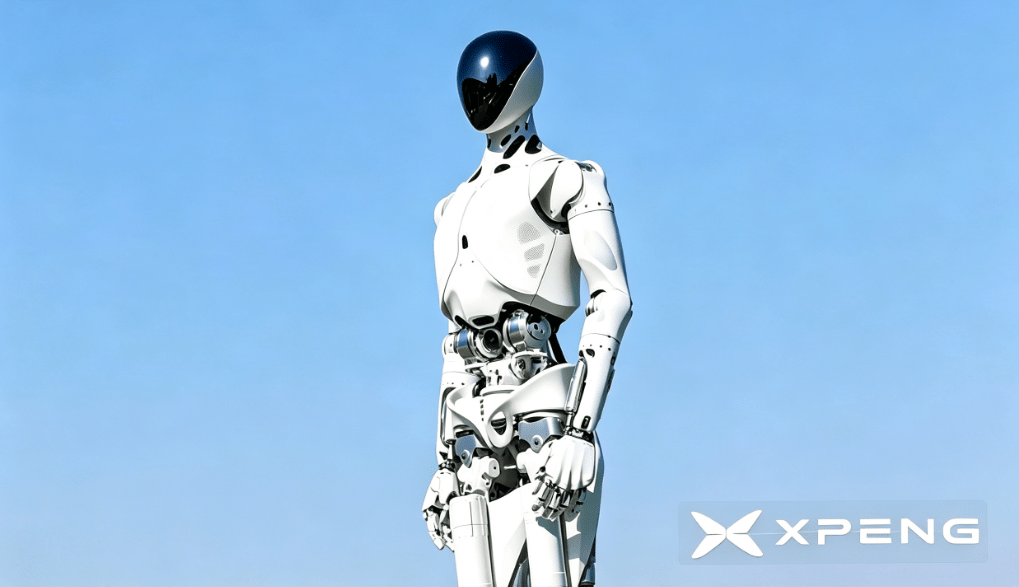
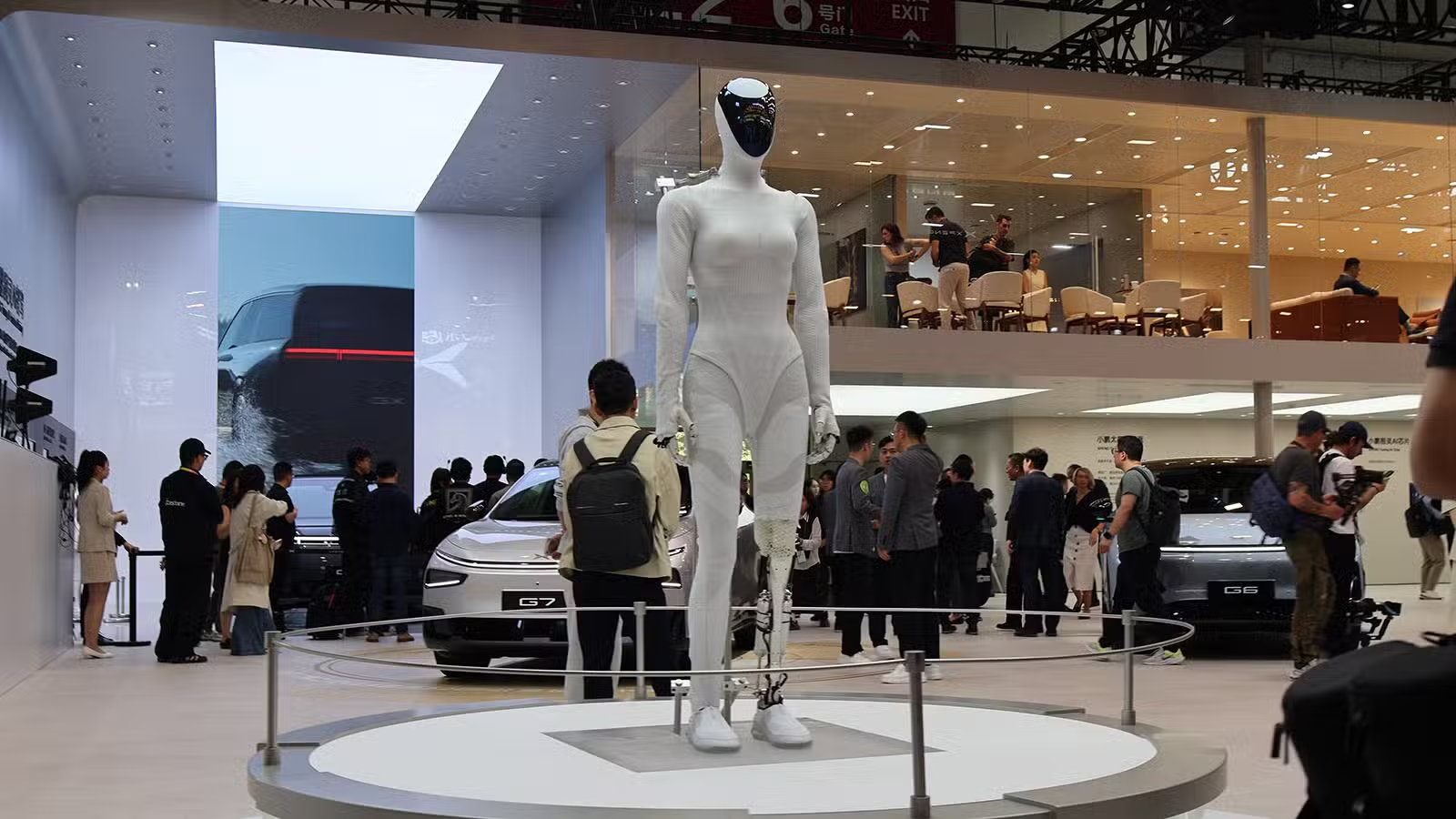
Mi’s background is impressive—nearly 15 years at Nvidia (NASDAQ: NVDA), mainly focused on autonomous driving before he joined Xpeng in 2021. He quickly climbed the ranks, becoming the head of robotics just last September. Under his leadership, Xpeng’s humanoid robot, Iron, made headlines for its surprisingly human-like walking capabilities. At a tech day last November, Iron’s performance caught many off-guard.
But it wasn’t all smooth sailing. Mi admitted that there was a period of despair that lasted six months while his team worked on getting Iron to walk naturally. The breakthrough? A moment in March 2025 when they finally got Iron to walk backward. Mi dubbed that day the “ChatGPT Moment” for Iron, marking a major leap in motion control technology. He attributed this success to advancements in their “spine” technology.
Mi championed the humanoid approach, arguing that our environments and tools have been designed for human use for centuries. Plus, creating a humanoid robot means it can be easily updated through software without incurring the high costs of redesigning hardware for every change.
This leadership turmoil comes just as Xpeng is restructuring its robotics business. In a letter sent to employees back in June, He Xiaopeng announced he would take on the role of “CEO” for this division, framing it as a crucial step in Xpeng’s evolution from a smart car manufacturer to what he calls a “physical AI company”.
Xpeng is also reorganizing its operations, creating nine second-tier departments to integrate critical areas like hardware, AI models, supply chain logistics, precision manufacturing, and marketing. He emphasized that the robotics business is poised for mass production and commercialization, a complex task that requires coordinated efforts across the board.
Looking ahead, Xpeng aims to kick off scaled mass production of its advanced humanoid robots by the fourth quarter of 2026. The groundwork for their dedicated mass-production base in Guangzhou’s Tianhe district has already been laid. This facility is being touted as the first of its kind in the industry.
By early June, the first phase of construction was underway, marking a significant milestone. With competitors like Li Auto (NASDAQ: LI), Seres (HKEX: 9927), Chery (HKEX: 9973), and BYD (HKEX: 1211) also diving into robotics, the pressure is on for Xpeng to deliver.
For buyers keeping an eye on Xpeng, it’s a mixed bag. The tech is impressive, but the leadership instability raises questions. Will they hit their production targets? And how will these changes affect service availability and resale values? As always, if you’re considering an investment in Chinese EVs, stay tuned for updates, because with Xpeng, things are never dull.
| Metric | Value | Notes |
|---|---|---|
| Projected Mass Production Start | Q4 2026 | Initial deliveries expected |
| New Robotics CEO | He Xiaopeng | Takes over following Mi’s departure |
| Construction Phase Completed | Concrete pouring finished | First section of the plant |
For more insights on Xpeng and the evolving market, check out our article on Xpeng’s non-compete probe against former employees, or learn how Xpeng’s partnership with Ant Group will shape AI and EV strategies. Don’t forget to explore how Xpeng is gearing up for a product offensive.