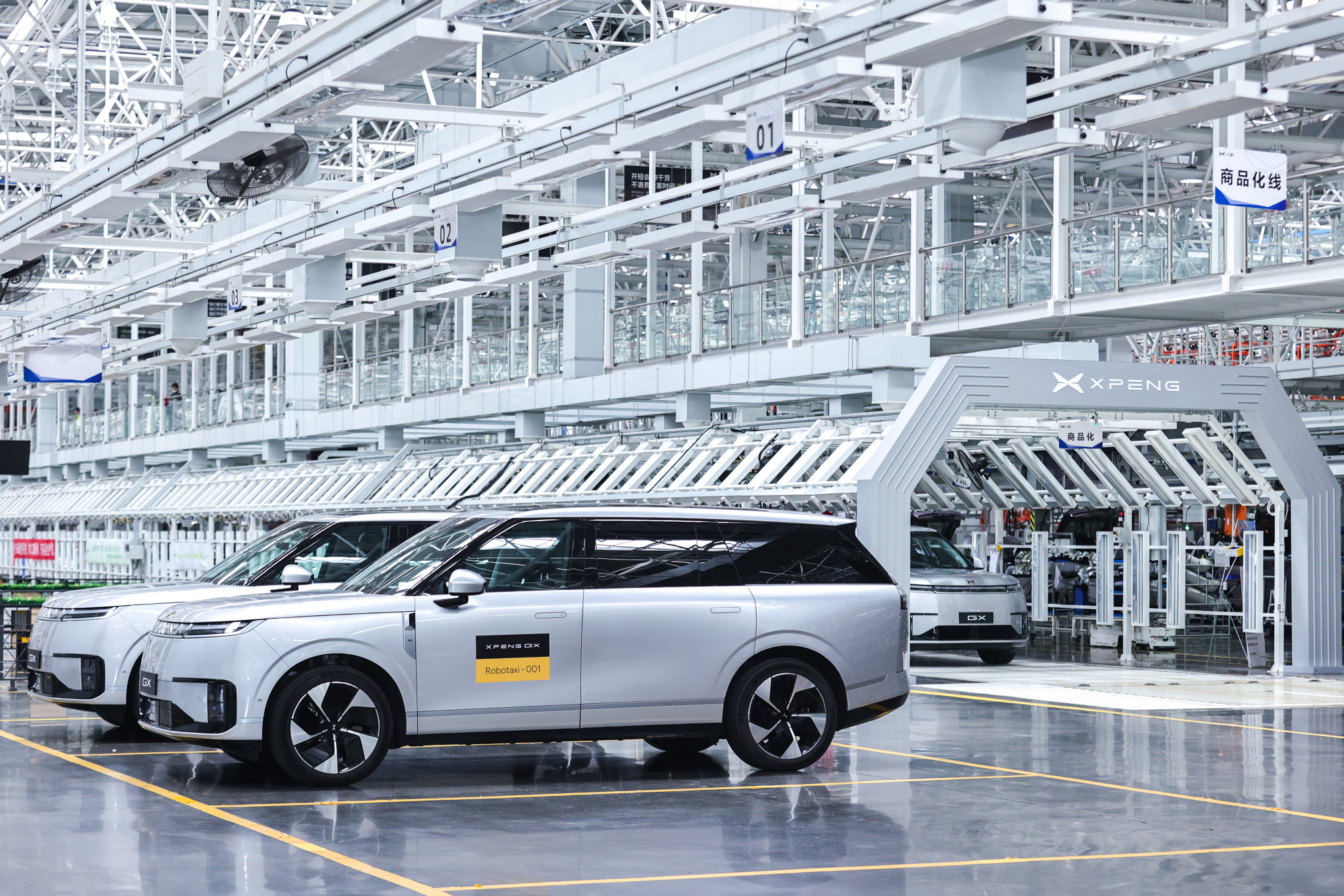

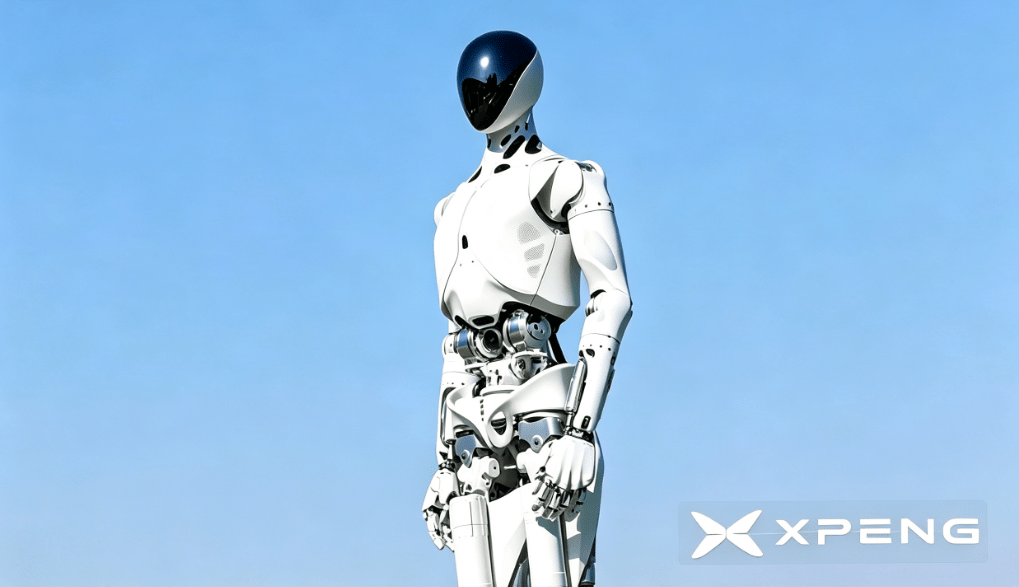
XPeng wants its first humanoid robot in stores by 2027. That sounds like CES vaporware until you notice one detail: IRON has already entered small-batch trial production at XPeng’s Guangzhou factory.
The mass production lines are now in final testing and integration, according to the company. In plain English, XPeng is past the demo-stage swagger and into the dull factory work that decides whether a robot is a product or a stage prop.
XPeng IRON pilot production starts in Guangzhou
XPeng recently held an internal mobilization meeting for robot mass production. The target is clear: humanoid robots enter mass production in 2026, then start appearing across XPeng stores and commercial sites worldwide in 2027. Their first jobs won’t be welding car bodies or folding laundry. Think customer reception, vehicle introductions and service work in controlled environments.
That choice makes sense. A showroom is predictable. The floor is flat, the lighting is known, the routes can be mapped, and the robot doesn’t need to handle a toddler, a wet kitchen floor or a dog bowl at 2 a.m. XPeng can learn faster in its own stores than it can in random apartments.
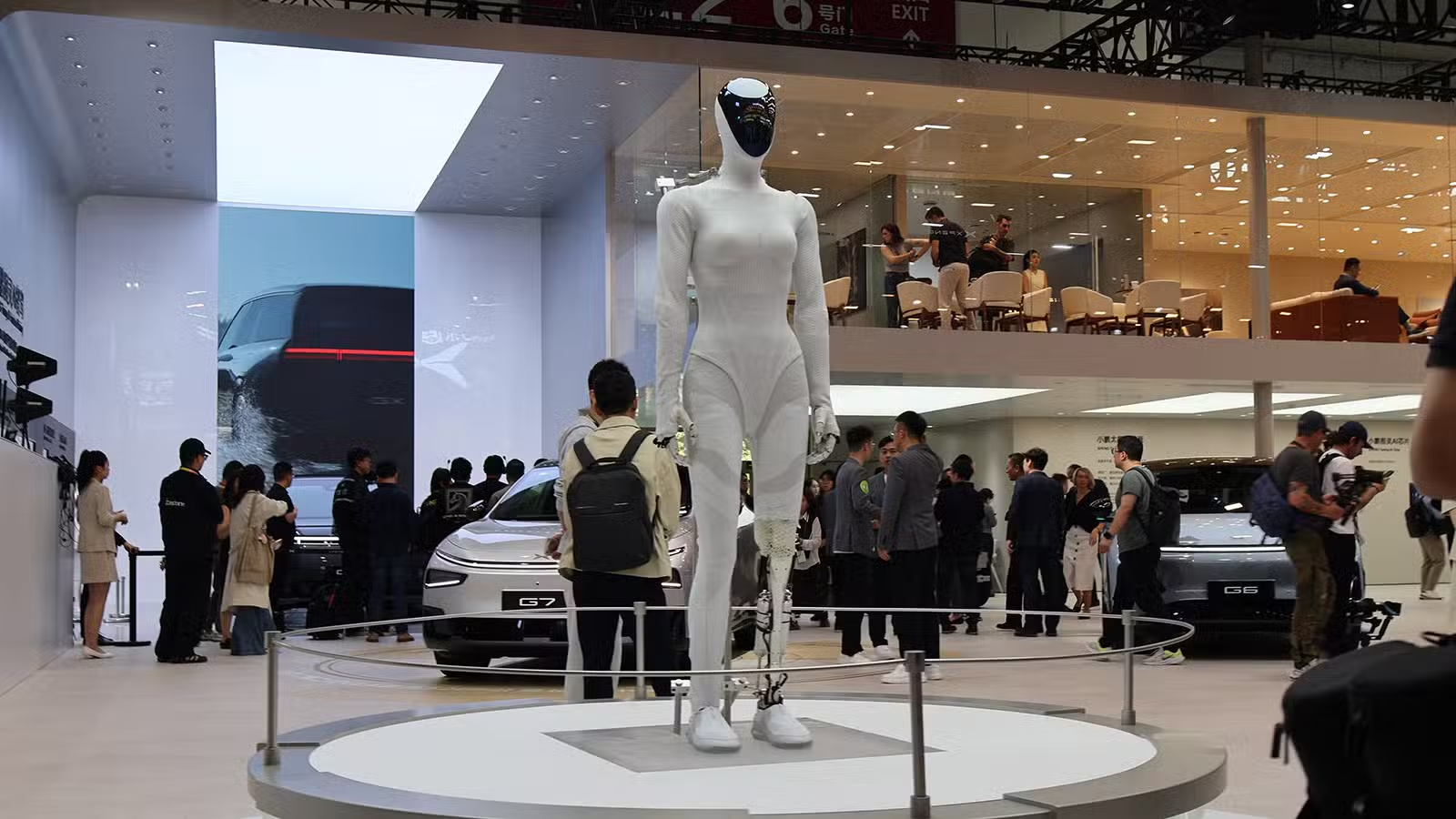
IRON first appeared in public at XPeng’s AI Day event in November 2025. The walking motion was smooth enough that some viewers wondered if there was a person inside the shell. He Xiaopeng, XPeng’s CEO, later opened up the robot’s internal structure on site to prove the motion came from mechanical systems.
It was a funny moment, but also a useful one. Humanoid robots live or die on credibility. One awkward stumble and everyone thinks of old trade-show robots again.
| Metric | Value | Notes |
|---|---|---|
| Pilot production site | Guangzhou factory | Small-batch trial production has started |
| Mass production target | 2026 | Internal target shared at XPeng’s mobilization meeting |
| Store and commercial rollout | 2027 | XPeng stores and commercial sites worldwide |
| Public debut | November 2025 | Shown at XPeng AI Day |
| Robot development history | Eighth year | He Xiaopeng said the robot business has built eight generations of products |
| AI chips | 3 Turing AI chips | Developed by XPeng |
| Compute | 2,250 TOPS | Combined computing power |
Why XPeng thinks carmaking helps humanoid robots
At the MONA L03 launch event, He Xiaopeng said XPeng’s robot business had entered its eighth year of development and had produced eight generations of products. The company started with quadruped robots, then shifted toward humanoids.
He gave three reasons for why XPeng thinks IRON can work. The first is body shape. A humanoid robot can move through spaces designed for people: doorways, counters, display areas, customer lounges. A box on wheels is easier to build, but it can’t sell the human fantasy in the same way.
The second is manufacturing. This is where XPeng has a real advantage over many robotics startups. Cars force discipline: suppliers, safety checks, repeatable assembly, cost control, service procedures. XPeng has been through the hard part of turning hardware into thousands of shipped units. For more background on the company’s production footprint, our earlier piece on XPeng’s Malaysian EV production plan shows how seriously it is treating factory scale outside China.
The third is AI. IRON uses three XPeng-developed Turing AI chips with a combined 2,250 TOPS, and it connects to XPeng’s second-generation VLA large model. TOPS is a rough measure of AI computing throughput. On its own, the number doesn’t prove the robot is smart, but 2,250 TOPS is a lot of onboard headroom for perception, task planning, motion control and human-machine interaction.
IRON is part of XPeng’s wider AI bet
This robot project sits next to XPeng’s work in assisted driving and robotaxis. The same company trying to make a humanoid receptionist is also chasing automated mobility in dense Chinese cities. Our look at XPeng’s Guangzhou robotaxi break-even target gets into why density, data and operating cost matter more than flashy demos.
There has also been turbulence inside the robotics team. XPeng’s ambitions haven’t been a straight line, and personnel changes matter when a company is trying to move a robot from lab floor to store floor. We covered that earlier in XPeng’s robotics division shake-up.
The wider Chinese supply chain helps too. Batteries, chips, sensors, castings, motors, thermal systems, China has deep supplier bases for all of it. Even non-car battery shifts, such as China’s sodium-ion battery mass production push, show why hardware companies in China can iterate quickly once volumes appear.
Should XPeng buyers care about a humanoid robot?
If you’re shopping for an XPeng EV, IRON shouldn’t move your order decision today. A robot in a showroom won’t fix charging access, resale uncertainty, overseas parts supply or dealer coverage. Those still matter far more to buyers outside China.
Inside China, the story is different. XPeng can use its own stores as test sites, gather service data, adjust scripts, improve motion behavior and train the system in a controlled loop. If the robot can reliably greet customers, explain vehicles and hand off to staff without creating awkward delays, it’s useful. If it becomes a photo prop, buyers will spot that in five minutes.
For early adopters, the real signal is that XPeng isn’t treating AI as a dashboard feature only. It’s trying to put the same software and chip work into cars, robotaxis and humanoid robots. Risky? Yes. Expensive? Almost certainly. But if IRON reaches stores in 2027 and does actual service work, XPeng will have something most carmakers still lack: a working physical AI product that customers can meet before they even take a test drive.