
XPeng thinks a Guangzhou robotaxi can pay for itself by the second half of 2027. That’s a big claim, and He Xiaopeng’s explanation is more interesting than the usual “bigger fleet, lower cost” pitch.
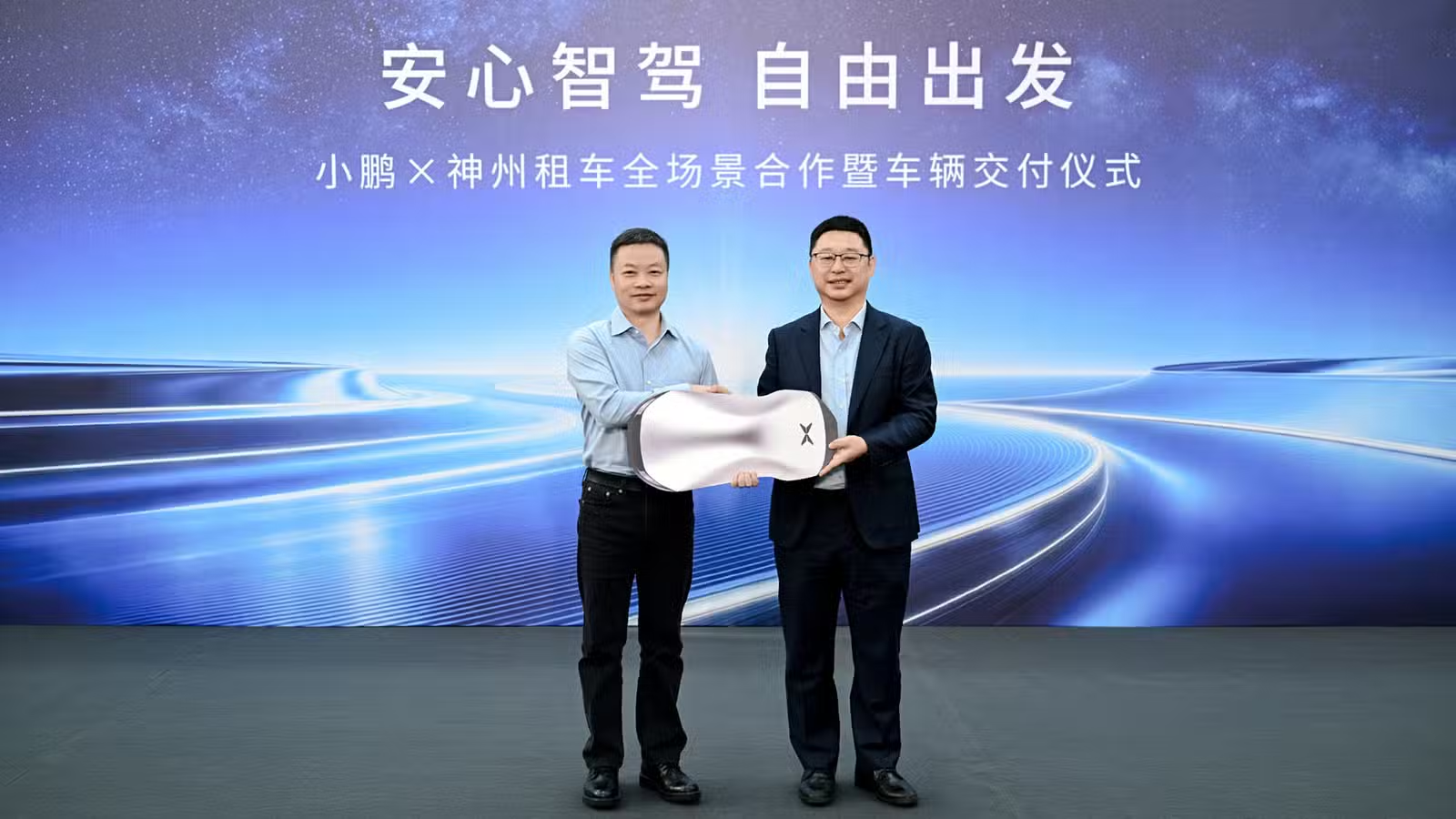
In a recent interview, XPeng’s CEO said the company’s robotaxi business in Guangzhou could reach per-vehicle break-even as early as H2 2027. The deciding factor, he argued, isn’t how many cars XPeng puts on the road in total. It’s how tightly those cars are packed inside one service area.
That sounds dry, but it matters. A robotaxi sitting 12 minutes away from the next passenger is a very expensive demo car. A robotaxi that gets a new ride request two blocks after dropping someone off starts to look like a business. He said once utilization gets high enough in a defined area, even a few hundred vehicles in a smaller city could reach profitability.
XPeng robotaxi plan: density before fleet size
This is the Guangzhou logic. Don’t spray cars across a huge city and hope the map fills in later. Start with a tighter operating zone, raise vehicle usage, then let the numbers do some of the work. Anyone who has followed China’s ride-hailing wars will recognize the pattern. Idle time kills margins faster than hardware cost.
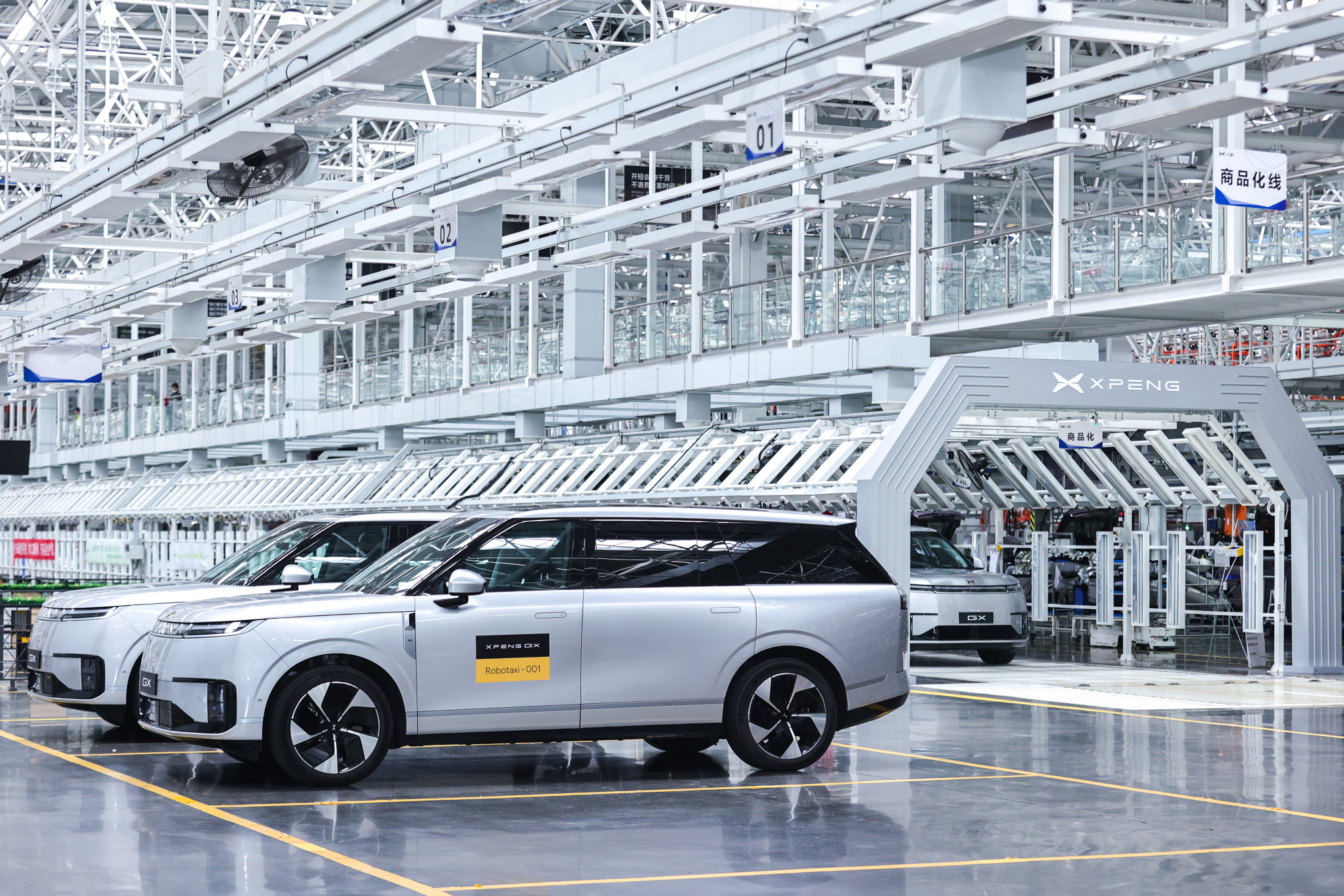
XPeng has already mapped out its next product step. The company plans to launch a new vehicle next year built specifically for robotaxi use, then expand the service into overseas markets over time. He said XPeng is talking with dozens of possible partners, and more than half of them are outside China. He also expects overseas markets to make up the majority of XPeng’s future robotaxi business.
That last part is worth watching. China has the supply chain, the software talent, and dense urban test beds. Overseas markets have higher ride-hailing prices in many cities, but they also bring tougher local rules, insurance questions, service networks, and political friction around Chinese autonomous tech.
| Metric | Value | Notes |
|---|---|---|
| Guangzhou robotaxi break-even target | Second half of 2027 | Per-vehicle break-even, according to He Xiaopeng |
| Small-city profitable fleet size | A few hundred vehicles | Only if utilization is high inside the service area |
| Purpose-built robotaxi launch | Next year | New vehicle designed for robotaxi use |
| Partner talks | Dozens | More than half are based outside China |
| Robotaxi entry announced | November 2025 | XPeng said it wanted China’s first fully in-house robotaxi platform |
| Internal ride test | Earlier this month | Covered ride-hailing, autonomous pickup, and trip completion |
Why XPeng doesn’t want to copy Waymo
XPeng’s model is very different from Waymo’s. Waymo runs its own robotaxi fleet. XPeng says it won’t handle daily fleet operations. Instead, it wants to provide vehicles, autonomous driving systems, and AI technology to local partners, while those partners run the cars on the ground.
That’s a lighter model on paper. Fewer depots to manage. Fewer drivers, cleaners, chargers, parking contracts, and city-by-city headaches on XPeng’s own books. It also means XPeng gives up some control over the customer experience, which can be dangerous when the product is literally driving people around without a human behind the wheel.
For XPeng, the appeal is obvious. The company already sells smart EVs in a brutally competitive Chinese market where margins can vanish in a single price war. If it can sell the robotaxi stack to partners, it gets another revenue line without owning every kilometer of every ride.
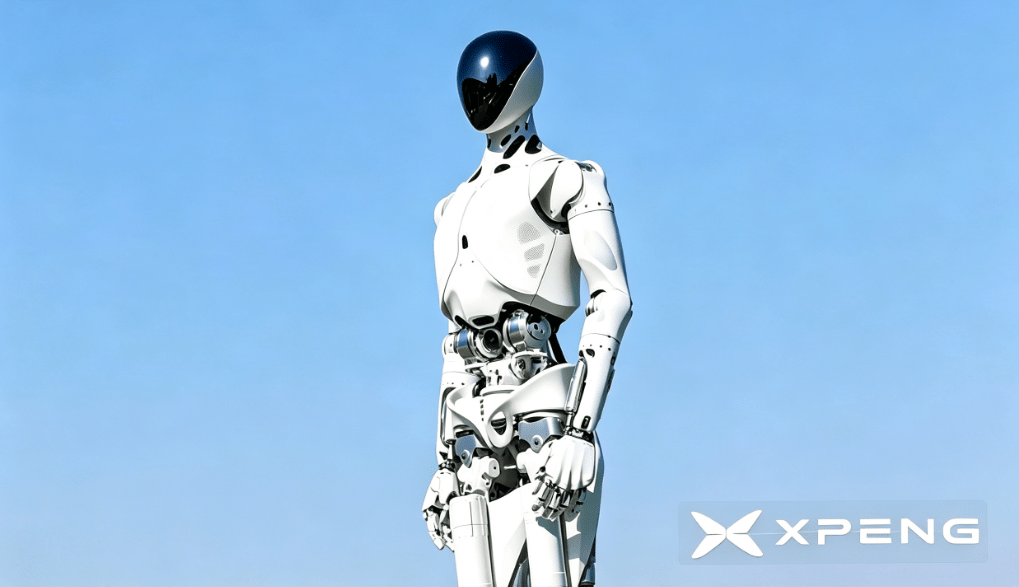
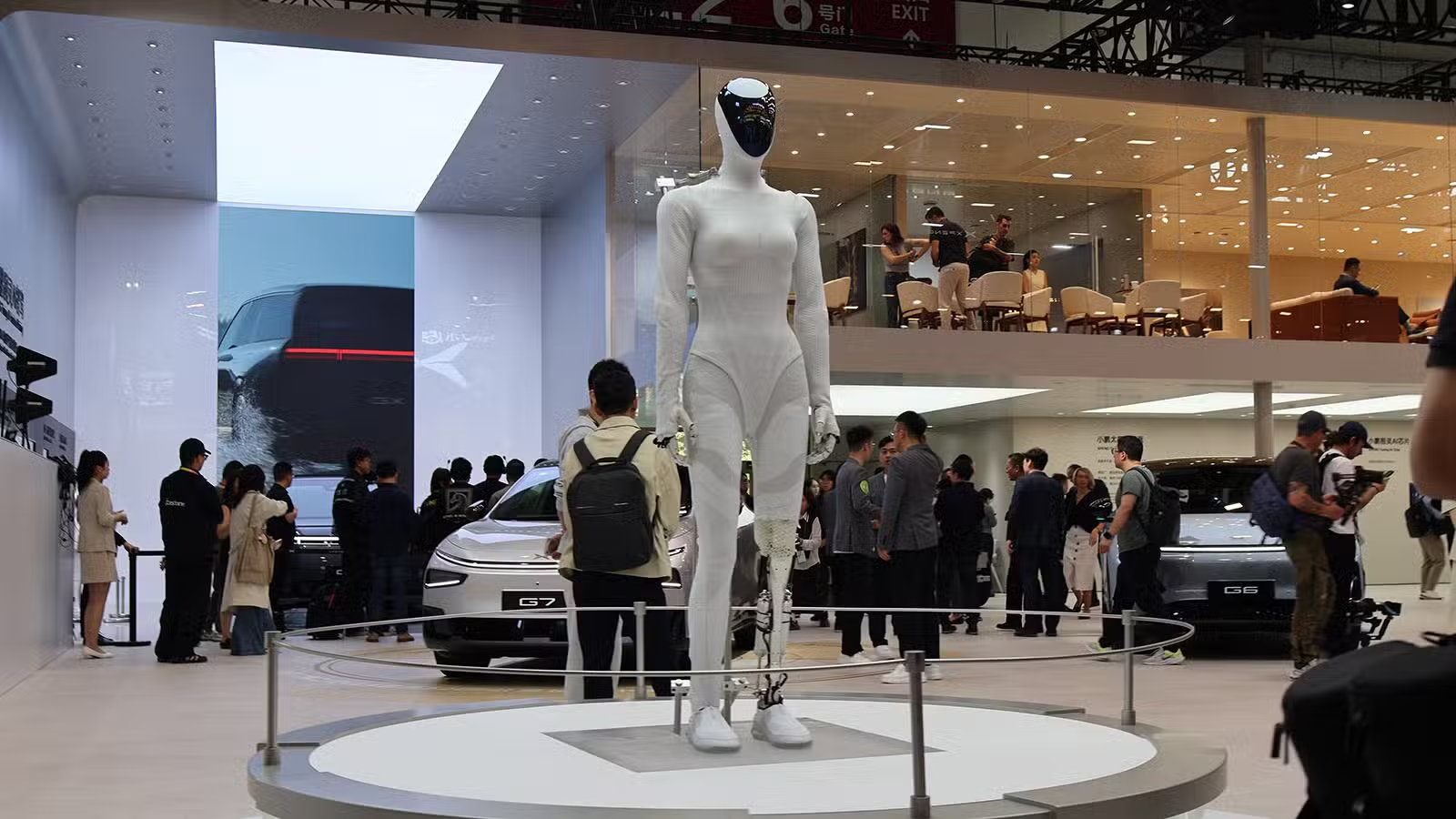
This also fits He’s wider Physical AI pitch. He said automobiles and robotics will merge more over the next decade, adding that “cars will increasingly become robots on four wheels.” XPeng no longer wants to be judged only by vehicle deliveries. It wants smart vehicles, robotaxis, and humanoid robots to carry the next stage of growth. That ambition also explains why readers have been watching XPeng’s robotics division shake-up so closely.
China robotaxi competition is getting crowded again
XPeng first announced its entry into robotaxis in November 2025, with the goal of developing China’s first fully in-house robotaxi platform. Earlier this month, He said the company had completed its first internal robotaxi ride experience. The test covered the full process: ride-hailing, autonomous pickup, and trip completion.
That doesn’t mean XPeng is ready to flood Guangzhou with driverless cars tomorrow. Internal ride tests are still a long way from a public service that can handle rain, construction zones, impatient scooters, angry passengers, and regulators with clipboards. But it does mean XPeng has moved past PowerPoint.
The timing helps. China has recently resumed robotaxi permit approvals, which should get commercialization moving again after a slower patch. XPeng won’t have the road to itself. Waymo, Tesla, Baidu’s Apollo Go, WeRide, and Pony.ai are all pushing their own robotaxi businesses. WeRide, in particular, is already looking beyond China through deals such as WeRide and Uber’s Spain robotaxi service.
The Chinese players have one advantage Western readers sometimes miss: they’re building on top of a ferociously cost-disciplined EV supply chain. Sensors, compute hardware, batteries, and vehicle assembly can be priced more aggressively in China than in most other markets. BYD has shown what vertical control can do in batteries. XPeng doesn’t have BYD’s battery grip, but it does have deep software work, its own assisted-driving base, and a customer pool already used to smart-car features.
Should buyers care about XPeng robotaxis?
If you’re shopping for an XPeng EV, don’t buy one today because of a 2027 robotaxi promise. Buy it because the car in front of you works: range, charging, cabin software, service access, and price. Robotaxi plans can lift a brand’s tech image, but they won’t fix weak aftersales support in an export market.
For buyers outside China, the bigger question is service availability. A robotaxi platform needs local maintenance partners, calibration procedures, charging access, parts inventory, and trained technicians. Even private XPeng owners should watch that closely, because resale values abroad depend heavily on whether the brand can support cars five or eight years later.
There’s also the charging angle. Robotaxis punish batteries harder than private cars because they spend more hours working each day. High utilization is great for revenue, but it means more charging sessions, more thermal stress, and more downtime if the network isn’t ready. Real-world range matters more than the rated number when a fleet manager is trying to keep cars earning through the evening rush.
My read: XPeng’s plan is sensible, but not proven. The partner model could help it move faster with less capital than Waymo-style fleet ownership. It could also turn messy if local operators deliver uneven service or regulators demand more direct accountability. The 2027 target is the line to watch. If XPeng can make a few hundred cars pay for themselves in Guangzhou, the robotaxi story gets real very quickly.