
Did you know that BYD just secured one of the largest energy storage contracts in the Middle East? They’ve signed an impressive 11.275 GWh deal with Masdar, a major player in the UAE’s energy market. This partnership aims to create a full energy storage solution for the world’s first gigawatt-scale round-the-clock renewable energy project, right in Abu Dhabi.
This isn’t just another project; it’s a significant leap for renewable energy. By combining solar power with advanced energy storage, this facility will provide clean electricity 24/7. Imagine a power source that doesn’t rely on the sun shining or the wind blowing—this project makes that possible. Once operational, it’s expected to deliver gigawatt-scale baseload power at competitive rates. That’s a game changer for energy consumption, especially in a region known for its heavy reliance on fossil fuels.
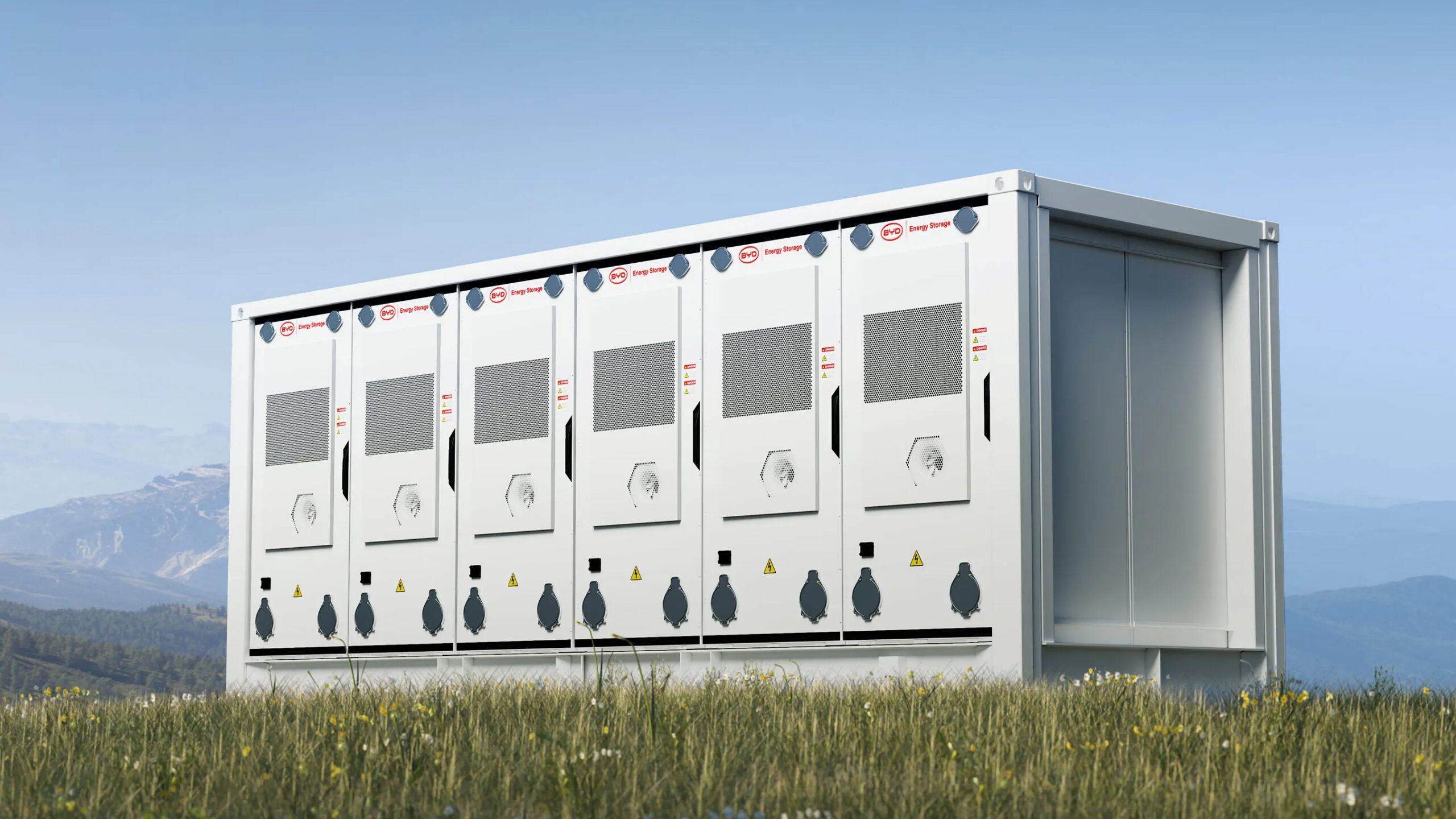
BYD isn’t new to the energy storage scene in the Middle East. Earlier this year, they made headlines with the Bisha project in Saudi Arabia, which at the time was the world’s largest single-site energy storage facility connected to the grid, boasting a capacity of 2.6 GWh. BYD provided 488 units of their MC Cube energy storage systems for this project. Now, they’re doubling down with this UAE deal, marking a strong presence across the region.
| Metric | Value | Notes |
|---|---|---|
| Project Capacity | 11.275 GWh | For UAE’s RTC renewable energy project |
| Bisha Project Capacity | 2.6 GWh | Largest single-site energy storage at launch |
| MC Cube ESS Units for Bisha | 488 units | BYD supplied these for the project |
| Total MC Cube Units for Saudi Project | 2,364 units | Part of a 12.5 GWh agreement |
| Haohan Battery Capacity | 2,710 Ah | Significantly higher than conventional batteries |
BYD’s commitment to in-house technology development is a big part of their success. Their Haohan energy storage system features a 2,710 Ah energy storage blade battery, which has increased cell capacity by over 300% compared to traditional solutions. Plus, the complexity of the battery management system has dropped by 70% to 80%. This means they can deliver more power while keeping things simple and efficient.
What’s more, their system’s smallest configuration starts at 14.5 MWh and can fit into a standard 20-foot container. That’s huge for reducing land requirements and construction costs. And let’s not forget the GC Master EMS energy management platform that comes with it. This system can manage over 15 GWh of storage capacity at a single site, making it ideal for data analysis and ensuring safety.
BYD isn’t just focusing on the Middle East. They’re expanding their reach into Europe and Asia-Pacific. In Poland, they’re teaming up with Greenvolt Power for a 600 MW/2.4 GWh energy storage project. Construction is set to kick off in late 2026, and it’s expected to be one of the largest energy storage facilities in the country. This follows their successful deployment of 1.6 GWh in previous projects in Poland.
Meanwhile, in Japan, BYD has launched the Haohan energy storage system, marking their entry into the grid-scale energy storage market there. This expansion shows that BYD is serious about becoming a global leader in energy storage solutions.
The bottom line? If you’re considering energy storage solutions, BYD’s advancements and their commitment to innovation make them a brand to watch. Their technology not only promises efficiency but also real-world applications that could save costs in the long run. If you’re in the market for energy systems or just curious about the future of renewable energy, keep an eye on BYD.
For more on BYD’s innovations, check out our article on BYD’s vehicle orders and flash charging initiatives. Also, don’t miss our insights on CATL’s sodium-ion battery innovations and the mass production of sodium-ion batteries.