
BYD’s Ambitious Chip Plans
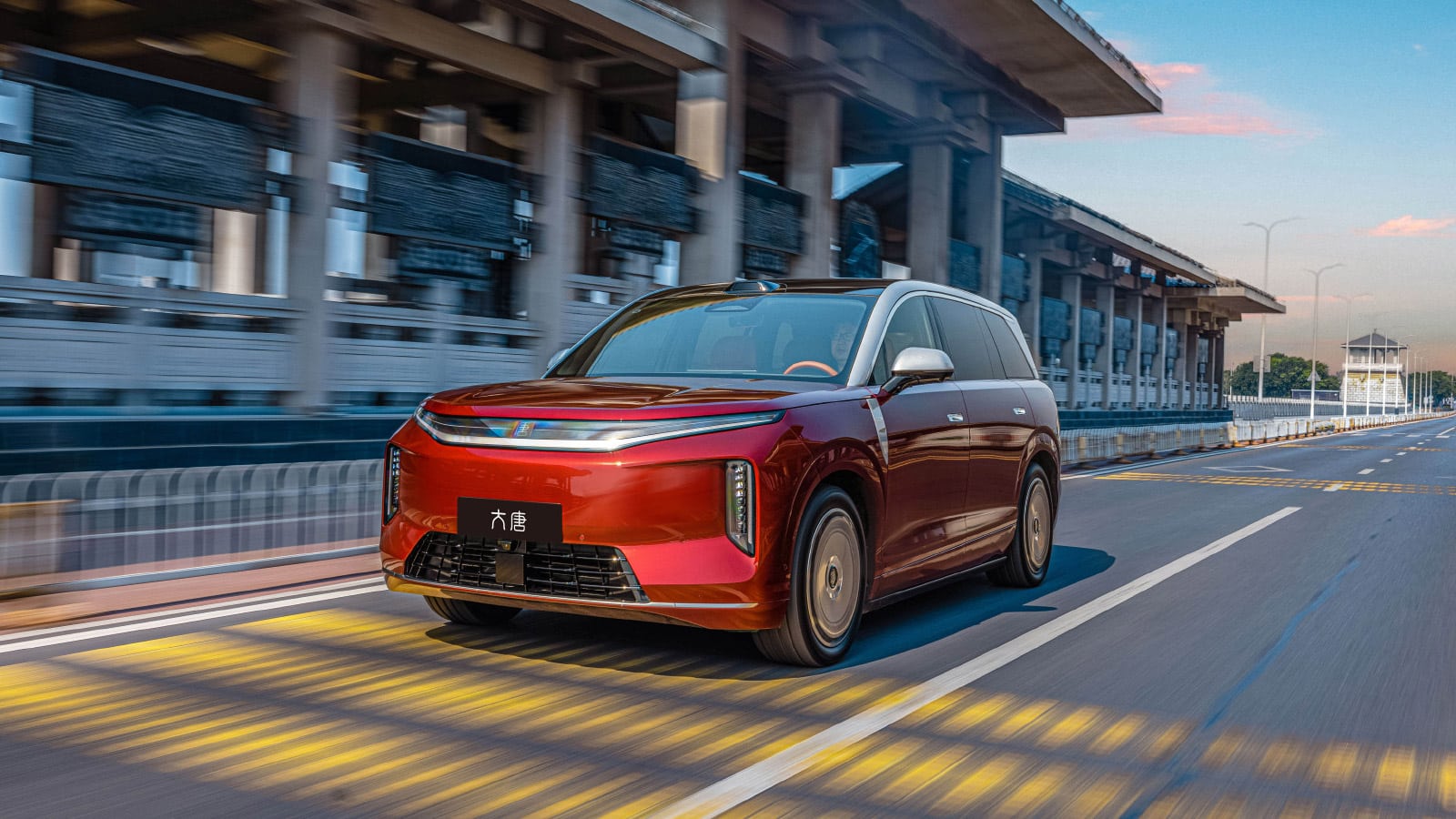
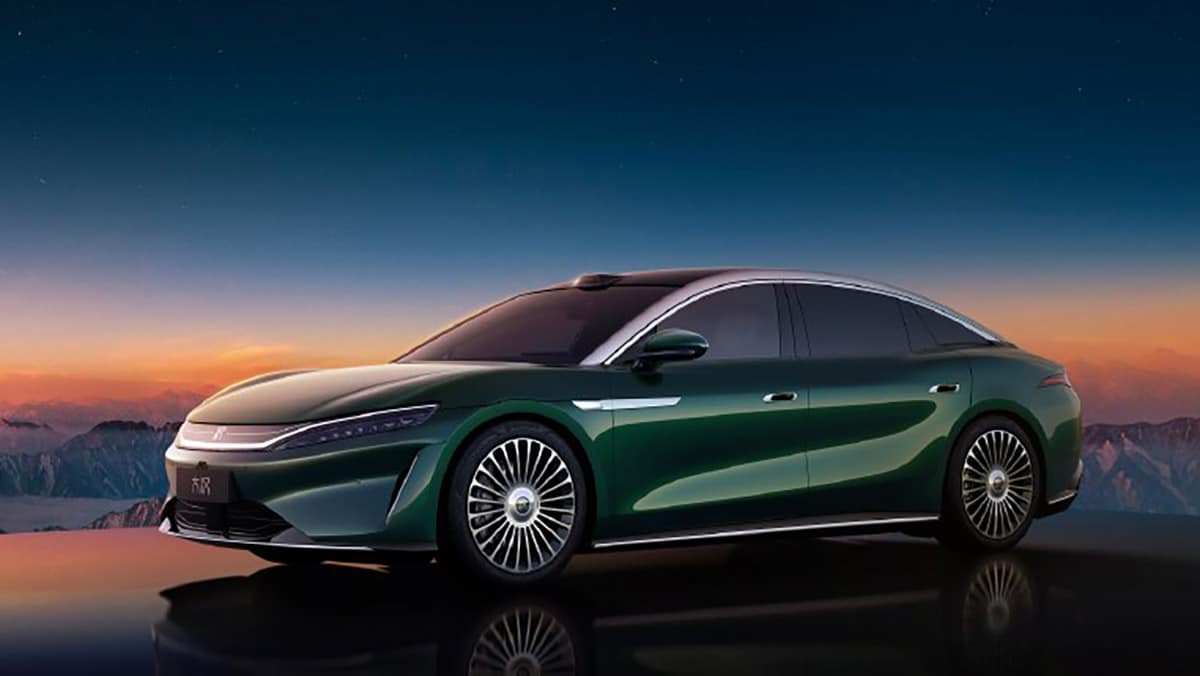
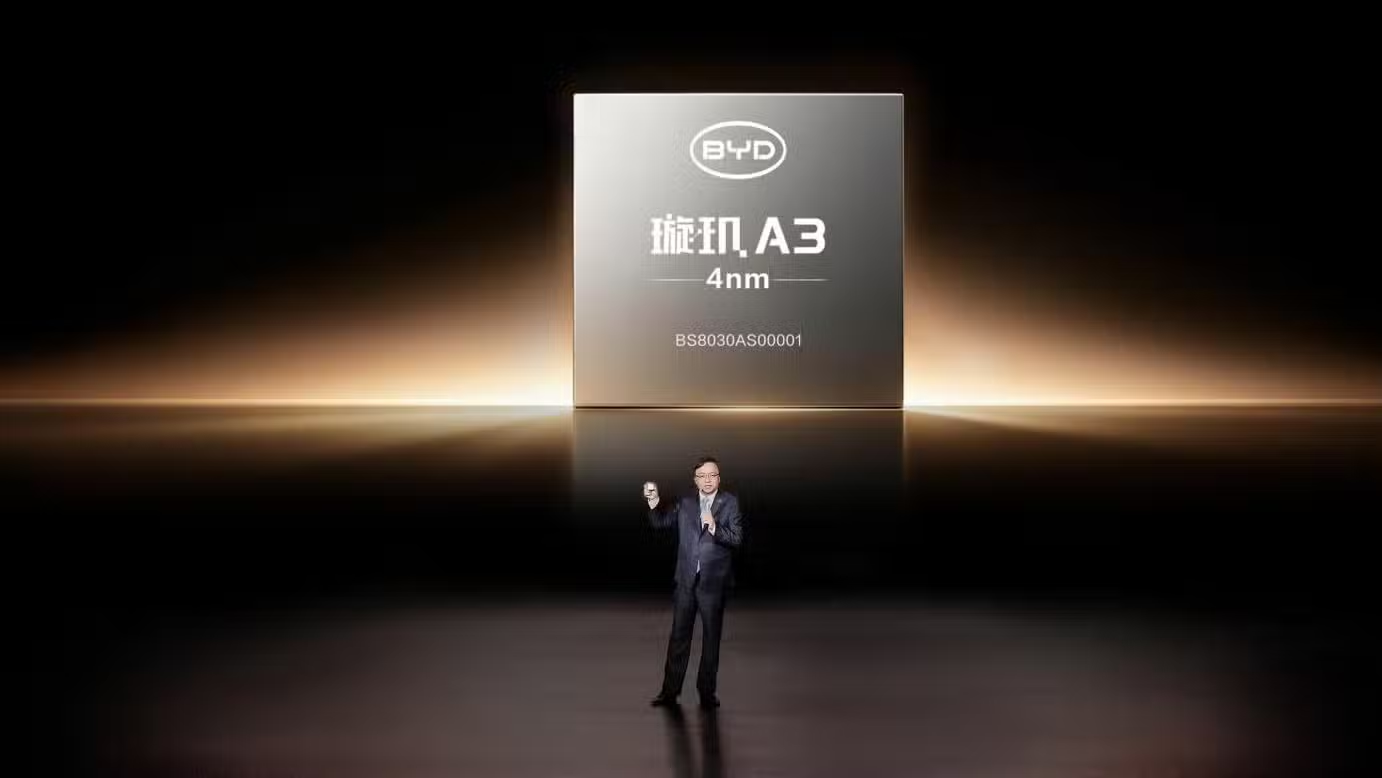
Did you know that BYD is about to take a bold leap in the EV market with its new Denza model, set to hit the streets in 2027? They’re not just sticking to traditional methods; they’re rolling out the Xuanji A3 smart driving chip, which they’ve developed in-house. This chip, unveiled on May 28, is a significant player in BYD’s strategy, being the first smart driving chip built on a 4nm process in China. It’s about time we see a homegrown solution that can compete with the likes of Tesla and other global players.
What Makes the Xuanji A3 Stand Out?
Here’s where it gets interesting. The Xuanji A3 boasts over 700 TOPS of computing power per chip. For context, that’s more than double what a Tesla Model 3 Performance can put out. If you stack three of these chips together, you’re looking at a whopping 2,100 TOPS, which supports both L3 and L4 levels of autonomous driving. That’s not just a number; it means real potential for advanced driver assistance systems that actually work.
| Metric | Value | Notes |
|---|---|---|
| Computing Power (per chip) | 700 TOPS | Double the power of Tesla Model 3 Performance |
| Total Computing Power (3 chips) | 2,100 TOPS | Supports L3 and L4 autonomous driving |
| Power Consumption | 20% less than competitors | More efficient per unit of computing power |
| R&D Team Size | 7,000+ | Strong focus on semiconductor development |
| Cumulative R&D Investment | 100 billion yuan ($14.71 billion) | A major commitment to chip development |
Why This Matters for Consumers
Now, what does this mean for you, the consumer? If you’re considering a new electric vehicle, BYD’s upcoming models are worth keeping an eye on. The Xuanji A3 chip not only enhances performance but also addresses power efficiency. In a world where range anxiety is real, having a vehicle that can do more with less power is a game changer.
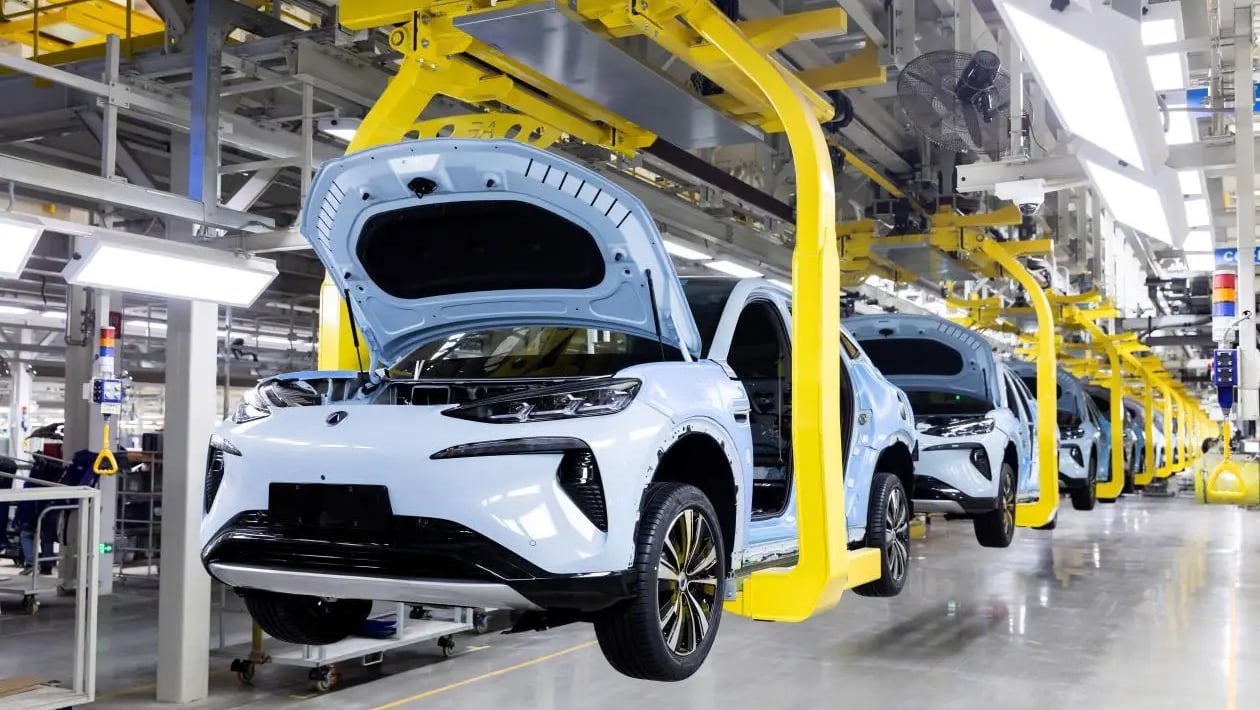
Plus, BYD’s vertical integration strategy helps keep costs lower in the long run. They’ve been investing heavily in their semiconductor division for years, which means they’re not just relying on third-party suppliers. This gives them more control over their production and potentially lowers costs for you.
The Competition
But BYD isn’t alone in this race. Companies like NIO and Xpeng are also developing their own chips. Each of these companies is racing to create a better autonomous driving experience, so the competition is fierce. If you’re looking for cutting-edge tech in your next car, it’s a good idea to compare these brands and see whose offerings align best with your needs.
What’s Next?
As BYD moves forward, they’re also adjusting their internal structure to support this new tech. The company’s chip team is evolving, integrating with their new technology institute to streamline development and innovation. This flexibility could lead to faster updates and improvements, keeping BYD competitive.
So, should you wait for the Denza model with the Xuanji A3? If you’re in the market for an EV and want the latest tech, it’s worth holding out a bit longer. But if you need a car now, BYD’s existing offerings are already solid and getting better.
Final Thoughts
BYD’s push into in-house chips is more than just a trend; it’s a strategic move that could redefine the smart driving landscape in China. For buyers, this means more choices and potentially better technology in the vehicles hitting the roads. Keep an eye on how BYD and its competitors evolve in this exciting space.