
Avatr just priced its bigger 07L within striking distance of Xiaomi’s YU7. That’s brave, because Chinese family SUV buyers in the 250,000 yuan bracket have become ruthless shoppers.
Pre-sales for the Avatr 07L opened on Friday with two battery electric versions. The Max+ BEV starts at 249,900 yuan, about $36,900 at the stated exchange rate, while the Ultra three-motor BEV is priced at 279,900 yuan. The official launch is set for August 8, and the existing Avatr 07 will stay on sale after a trim reshuffle.
If you’ve followed Avatr for a while, the recipe is familiar: Changan builds the car, CATL supplies the battery muscle, and Huawei brings the cockpit and driver-assistance tech. That trio gives Avatr more credibility than many small EV brands, although credibility doesn’t automatically fill order books.
Avatr 07L size and family SUV packaging
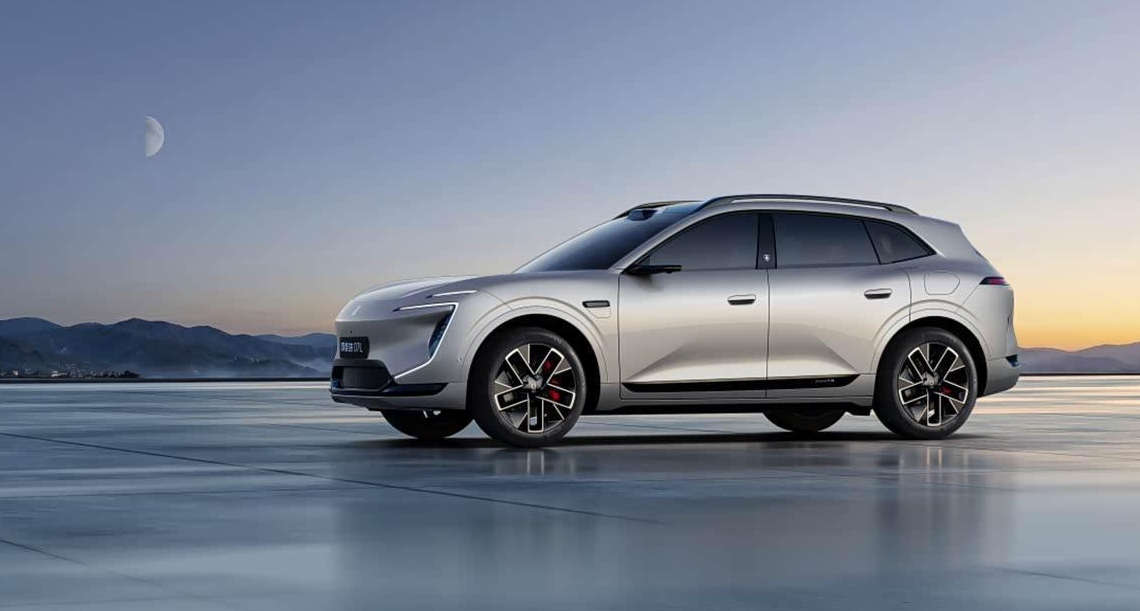
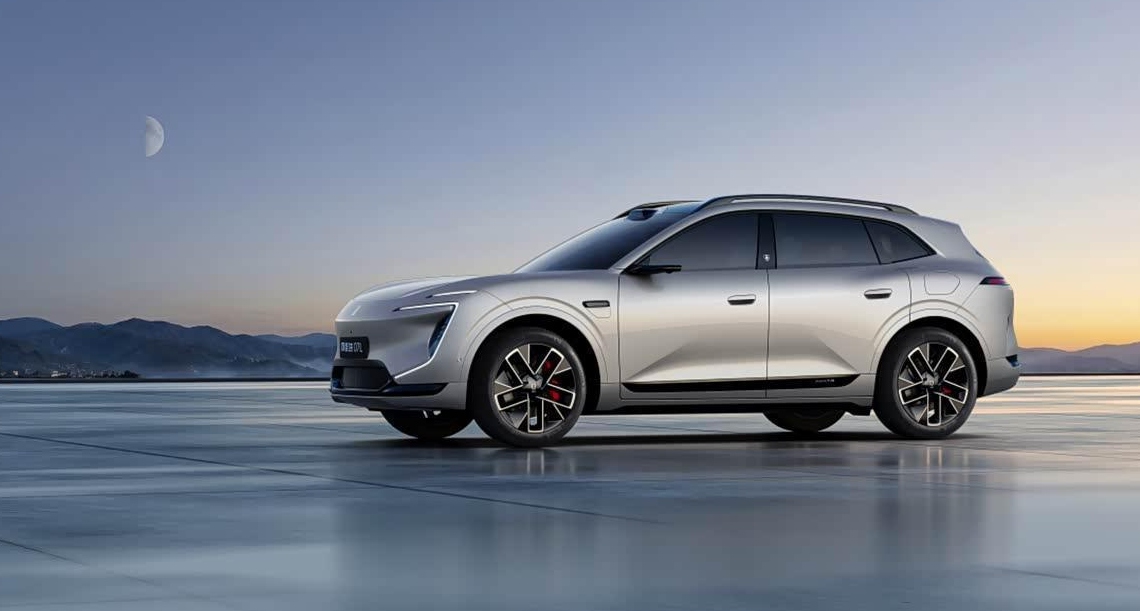
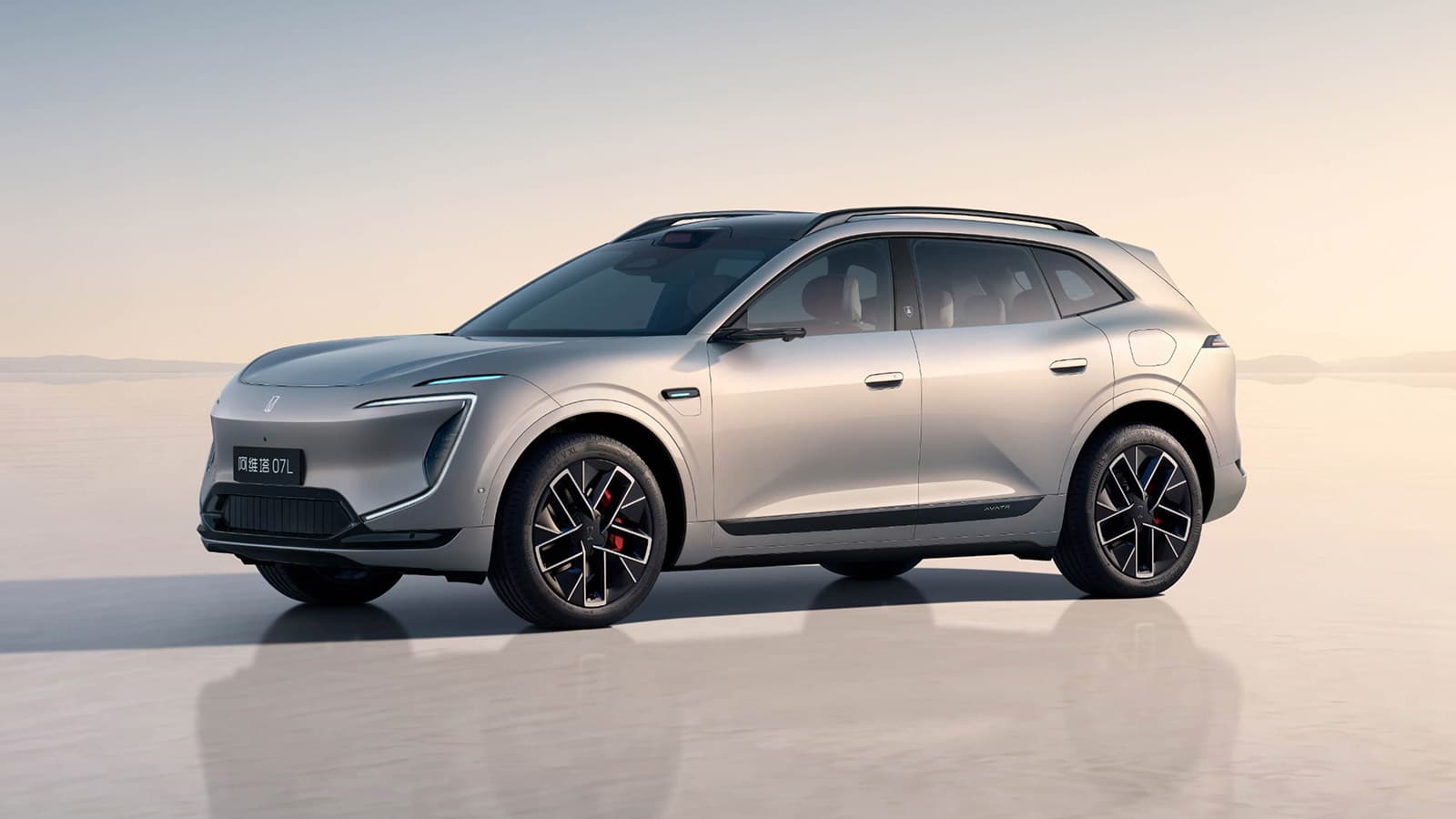
The 07L is being pitched as a large five-seat SUV for family use. It measures 4,910 mm long, 1,980 mm wide and 1,650 mm tall, with a 2,990 mm wheelbase. Against the Avatr 07, it’s 85 mm longer, and the wheelbase grows by 50 mm.
That extra 50 mm matters more than the press photos will ever show. In Chinese family SUV shopping, rear-seat space can decide the deal in five minutes. Parents sit in the back, check knee room, look at the boot, then ask about the screen and assisted driving. Avatr clearly knows the routine.
The exterior keeps the 07 family look and adds roof rails, semi-concealed door handles and a full-width taillight. If you saw the earlier stretched Avatr 07L test car, the production direction won’t surprise you.
Huawei Qiankun ADS 5 is the real sales pitch
Smart driving is where Avatr wants the 07L to feel more expensive than its price. The SUV gets Huawei Qiankun ADS 5, 896-channel LiDAR, and six assisted-driving indicator lights placed around the front, sides and rear.
Avatr says the LiDAR can identify a 14 cm high object at 120 meters. In plain terms, that’s aimed at low obstacles that camera-only systems can miss until late. The car will also be among the first to support RCA roaming cruise assistance, which lets drivers activate NCA assisted driving without setting a navigation route first.
Inside, the 07L uses the latest HarmonySpace system, with a 15.6-inch central display and a 35.4-inch panoramic Halo screen. Huawei’s software remains one of Avatr’s strongest cards, especially for buyers already living with Huawei phones and home devices. Xiaomi knows that game too, which is why the comparison with the Avatr 07L family SUV package and Xiaomi YU7 will be unavoidable.
| Metric | Value | Notes |
|---|---|---|
| Max+ BEV pre-sale price | 249,900 yuan | About $36,900 |
| Ultra BEV pre-sale price | 279,900 yuan | Three-motor version |
| Dimensions | 4,910 x 1,980 x 1,650 mm | Length, width, height |
| Wheelbase | 2,990 mm | 50 mm longer than Avatr 07 |
| Battery | 89.33 kWh CATL Shenxing 5C | Both versions |
| Max+ output and range | 305 kW, 725 km CLTC | 409 hp, rear motor |
| Ultra acceleration and range | 3.7 sec, 650 km CLTC | 0 to 100 km/h, three motors |
CATL Shenxing 5C battery and real-world range
The Max+ BEV uses a rear-mounted motor rated at 305 kW, or 409 hp. That’s close to old-school V8 SUV power, and it’s enough for a 0 to 100 km/h time of 5.9 seconds. The CLTC range is 725 km.
The Ultra version goes harder. Its distributed all-wheel-drive system uses three motors and cuts the 0 to 100 km/h time to 3.7 seconds, with a CLTC range of 650 km. For a family SUV, that’s quick enough to make the kids laugh and the grandparents complain.
Both versions use CATL’s 89.33 kWh Shenxing 5C fast-charging battery. A 5C rating means the pack can, in theory, accept charging power equal to five times its capacity per hour. Real charging depends on temperature, charger output and the battery curve, so don’t treat 5C as a guaranteed stop-watch number. Still, CATL’s supply gives Avatr a real hardware story, not just cabin screens and slogans.
Should you buy the Avatr 07L or wait?
The 07L lands in China’s nasty 250,000 to 300,000 yuan electric SUV fight, where Xiaomi YU7 will be the name everyone brings up. Avatr is betting on wheelbase, Huawei ADS 5 and CATL battery tech. Xiaomi will counter with brand heat, phone integration and a very loyal tech crowd.
Avatr’s sales explain the pressure. It sold 20,160 vehicles in the first 5 months of this year, about 4,032 units a month. That leaves it well behind China’s leading EV startups. The company is also pushing for a Hong Kong listing and resubmitted its application to the Hong Kong stock exchange at the end of June, after the prospectus filed in November 2025 lapsed in May at the end of its 6-month validity period.
For buyers in China, the 07L looks worth test-driving if you want a spacious five-seat SUV with Huawei driver assistance and don’t need seven seats. I’d wait for final launch pricing and early owner feedback before placing a serious deposit, especially if Xiaomi YU7 supply improves around the same time.
For overseas buyers, the answer is simpler: wait. Avatr is making moves outside China, including Avatr’s entry into Greece with AUTOHELLAS, but service coverage, parts supply, charging support and resale values still need time to prove themselves. Great specs are easy to publish. A reliable ownership network takes longer.
($1 = 6.7733 yuan)