
Five gigawatt-hours is too large to write off as a pilot. CATL and Alfen N.V. signed a memorandum of understanding on July 16 to deploy 5GWh of TENER Sodium Energy Storage Systems in the Netherlands and other Western European countries starting in 2027. For sodium-ion batteries, this is the point where the talk starts meeting grid operators, weather, permits, and accountants.
CATL TENER sodium-ion storage heads for Western Europe
The TENER Sodium Energy Storage System is CATL’s field-validated sodium-ion energy storage system for utility-scale work. CATL launched it globally in Munich, Germany, in June 2026, which was no accident. Europe is hungry for long-duration storage, and it has enough winter pain to expose weak battery chemistry fast.
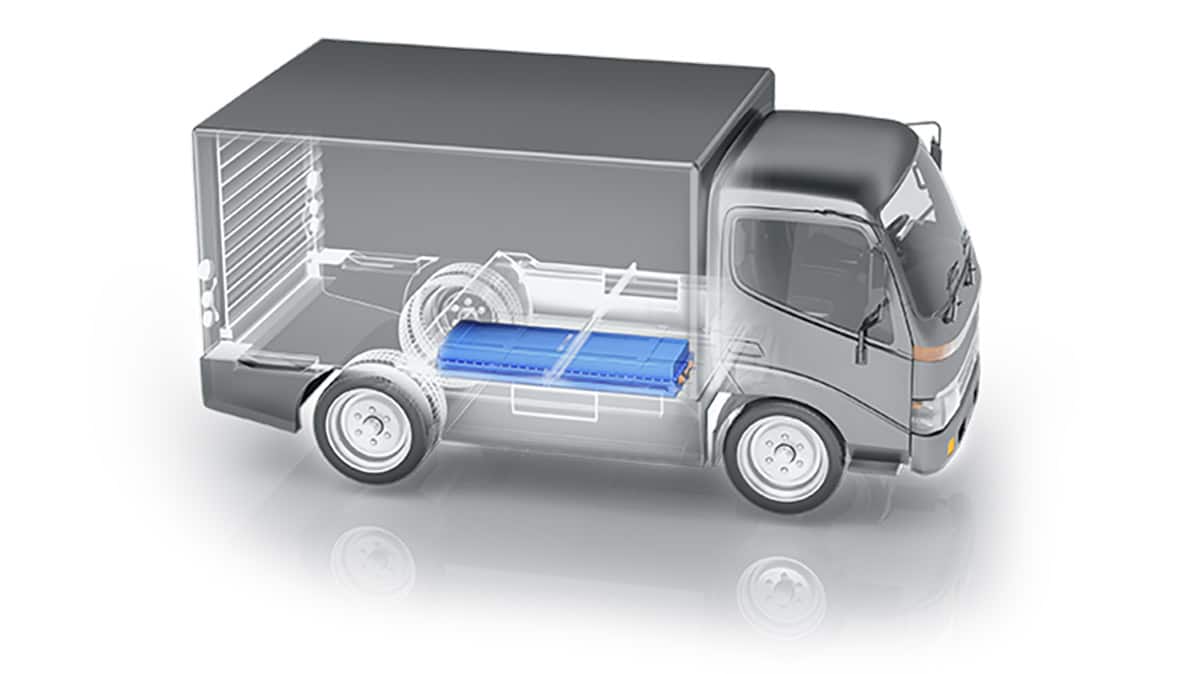
Each TENER system has more than 30MWh of capacity and uses a modular layout. Storage duration runs from one to eight hours, so this isn’t a small EV charger buffer sitting behind a supermarket. It’s grid hardware, built for solar and wind smoothing, peak shaving, and backup duty when the network gets stressed.
| Metric | Value | Notes |
|---|---|---|
| CATL and Alfen agreement date | July 16 | Memorandum of understanding signed |
| Planned TENER Sodium deployment | 5GWh | Netherlands and other Western European countries |
| Start of deployment | 2027 | Commercial rollout target |
| Capacity per system | More than 30MWh | Utility-scale storage unit |
| Storage duration | 1 to 8 hours | Covers short and medium-duration grid use |
| Design life | Up to 25 years | CATL claim versus conventional lithium storage |
| Cycle life | 15K cycles at 25°C | One full charge-discharge cycle per use cycle |
| Cold-weather retention | Above 92% at -20°C | The European winter figure to watch |
| Alfen energy storage projects connected | 132 | Projects across Europe |
Why sodium-ion batteries make sense for grid storage
Sodium-ion isn’t trying to beat the best lithium cells on energy density. That matters in a car, where every kilogram hurts range. For a stationary battery container beside a substation, the trade looks different: cost, supply security, cycle life, safety, and cold-weather behavior matter more than squeezing every watt-hour into a small pack.
CATL says TENER can reach 15K charge-discharge cycles at 25°C and keep more than 92% capacity at -20°C. That second number matters in Europe. Anyone who has watched EV range fall on a freezing morning knows chemistry doesn’t care about marketing copy. If CATL’s sodium-ion system holds up in Dutch and wider Western European winters, grid buyers will pay attention.
We’ve covered CATL’s sodium push before, including CATL sodium-ion battery energy storage plans and China’s sodium-ion battery mass production race. The pattern is clear: Chinese battery firms aren’t treating sodium as a lab side project anymore.
Alfen gives CATL a real European grid channel
Alfen, headquartered in the Netherlands, was founded in 1937 and supplies smart-grid equipment, energy storage systems, and EV charging hardware. This is a useful partner for CATL because Alfen already knows the boring but painful parts of European deployment: grid codes, local project approvals, service routines, and customer expectations.
The two companies started working together on lithium battery storage in 2023, then widened the cooperation in 2024 to support Alfen’s growing project pipeline across Europe. Alfen has already connected 132 energy storage projects across the continent and launched its first multi-site energy storage project in Europe in 2024.
For Alfen, TENER brings longer service life, lower lifetime cost, and compatibility with LFP storage systems. That last bit is more interesting than it sounds. A mixed battery setup lets developers choose chemistry based on duty cycle and price, while cutting exposure to lithium price swings. BYD is chasing the same grid-storage prize in other markets, as seen in BYD’s energy storage project in the UAE.
Should buyers wait for sodium-ion storage?
If you’re buying an EV, this deal won’t change your next showroom visit. Sodium-ion packs may arrive in more vehicles, including commercial models, but TENER is aimed at utilities and storage developers, not family crossovers. For drivers, the indirect benefit is cleaner grid charging and, eventually, less pressure on lithium supply.
If you’re a fleet operator, charge-point company, or renewable project developer in Europe, this is worth tracking closely. The 5GWh plan will test whether CATL’s sodium-ion storage can meet European grid standards, survive local winters, and prove its cost case outside China. Service support also matters. Chinese battery hardware can look brilliant on a spec sheet, but European buyers will care about uptime, spare modules, warranty handling, and bankability.
My read: don’t call sodium-ion the lithium killer. That’s lazy. Call it a serious second chemistry for jobs where lithium is expensive or overqualified. If CATL and Alfen execute this 2027 rollout cleanly, sodium-ion storage in Europe stops being a future slide deck and becomes another tool grid planners can actually order.