
China just put a date on the end of cheap policy treatment for lithium-ion batteries: September 1, 2026. For an EV industry that has lived on razor-thin margins and brutal price cuts, a 2% battery tax may sound small. It isn’t nothing.
The Ministry of Finance, the General Administration of Customs and the State Taxation Administration said Friday that several battery types will return to the consumption tax list. Lithium-ion batteries, lithium primary batteries, mercury-free primary batteries, nickel-metal hydride batteries and vanadium redox flow batteries will face a 2% consumption tax starting September 1, 2026.
One year later, on September 1, 2027, that rate rises to 4%. That’s the same level China applied to lead-acid batteries and other products back in 2015, before Beijing carved out exemptions for cleaner battery types.
China lithium-ion battery tax returns after 11 years
China began charging a 4% consumption tax on batteries in February 2015, but lithium-ion batteries, nickel-metal hydride batteries, solar cells and fuel cells were spared at the time. The reason was simple enough: Beijing wanted to push energy-saving and cleaner technologies while the EV market was still young.
That phase is over. Lithium-ion batteries are now the default choice for EV power batteries, and the numbers show how mature the sector has become. In the first six months of this year, China installed 335.6 GWh of power batteries in vehicles, up 12.0% year on year, according to China Automotive Battery Innovation Alliance data.
For buyers, don’t expect a sudden sticker-price shock on September 2, 2026. Battery makers and car companies have time to absorb, negotiate or pass along the cost. But in China, where brands already fight over a few thousand yuan on family EVs, even a small tax can matter. BYD has more room to maneuver because it makes its own Blade batteries. Smaller EV makers buying cells from CATL, CALB or others may feel the squeeze faster.
| Metric | Value | Notes |
|---|---|---|
| Lithium-ion battery tax start | September 1, 2026 | 2% consumption tax |
| Battery tax rate increase | September 1, 2027 | Rate rises to 4% |
| China power battery installations | 335.6 GWh | First six months of this year, up 12.0% |
| Sodium-ion, solid-state and fuel cell exemption | September 1, 2026 to December 31, 2028 | Also covers perovskite, tandem and gallium arsenide PV cells |
| PV cell tax start | April 1, 2027 | 2%, rising to 4% on April 1, 2028 |
| China NEV sales in 2025 | 16.49 million units | More than 50% of domestic new car sales |
| China NEV retail sales, first half of this year | 4.71 million units | 54% of 8.72 million total passenger car sales |
Sodium-ion and solid-state batteries get the better deal
The policy is kinder to the technologies China wants to pull forward. Sodium-ion batteries, solid-state batteries and fuel cells will be exempt from the consumption tax from September 1, 2026 through December 31, 2028. The same exemption applies to perovskite cells, tandem cells and gallium arsenide cells among PV cells.
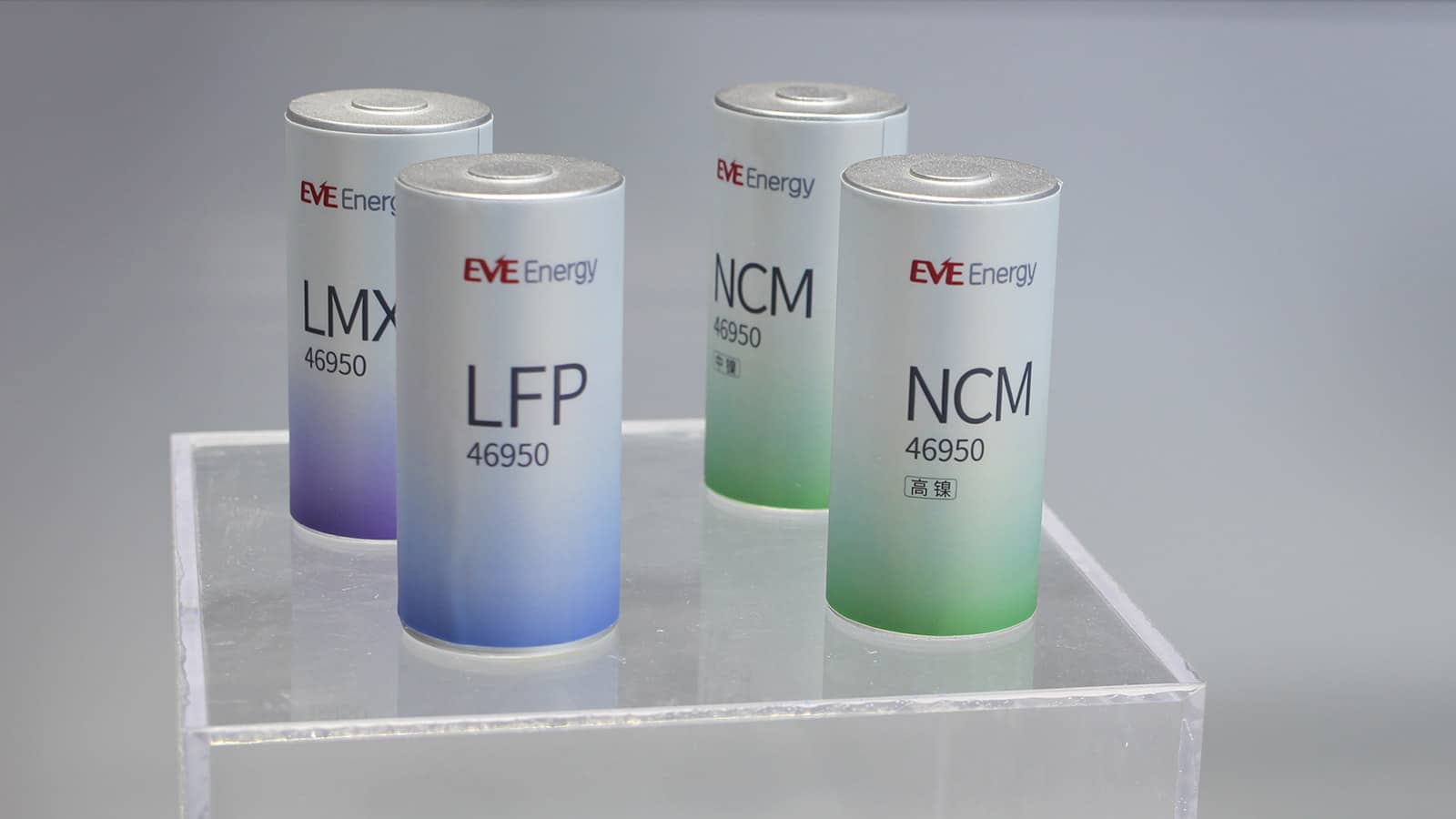
That matters because sodium-ion and solid-state batteries were not on the 2015 exemption list. They had been subject to the 4% tax. Now they get a temporary cost break while lithium-ion moves the other way. If you follow China’s sodium-ion battery mass production push, the timing makes sense. Sodium-ion won’t replace lithium iron phosphate in mainstream EVs overnight, but it has a real shot in low-cost cars, cold-weather use and stationary storage.
Solid-state is the more glamorous track, and also the one buyers should treat with caution. CATL and BYD are among the manufacturers planning small-batch vehicle installation around 2027. Small batch is the phrase to watch. It usually means pilot fleets, premium models or tightly controlled deployments before anything close to mass-market supply. The recent solid-state battery test in a cross-sea eVTOL flight shows why the tech attracts attention, but a flying test bed is not the same as putting millions of packs into family SUVs.
What the battery tax means for Chinese EV prices
This is another sign that Beijing is slowly removing the training wheels from the NEV sector. Earlier in July, China said vehicle and vessel tax breaks for plug-in hybrid vehicles, battery-electric commercial vehicles and some other vehicle types will be removed from 2027.
The market can handle tougher treatment now. China Passenger Car Association data says China’s NEV sales reached 16.49 million units in 2025, more than half of domestic new car sales. In the first half of this year, NEV retail sales hit 4.71 million units, making up 54% of the 8.72 million total passenger car sales.
For Chinese brands selling abroad, the tax itself is only one part of the story. Export buyers still care about charging compatibility, service coverage, software support and resale values. A slightly higher battery cost at the factory won’t matter much if a brand lacks parts stock in Europe or Australia. It will matter if the tax lands at the same time as price pressure, tariffs, shipping costs and dealer margins.
Should you buy now or wait? If you’re shopping for a current lithium-ion EV, especially an LFP model from BYD, Geely, Chery or SAIC, this policy alone isn’t a reason to hold off. The better reason to wait would be a model change, a bigger battery option or a price cut after a rival launch. If you’re waiting for sodium-ion or solid-state, be realistic. Sodium-ion could reach budget cars sooner, helped by projects like CATL’s planned 40 GWh sodium-ion battery expansion. Solid-state in normal showrooms will take longer.
China is steering the battery supply chain with tax policy
Battery products claiming a tax cut or exemption must meet the matching national standards, and taxpayers need compliance test reports before filing for the tax break for the first time. That gives regulators a filter. It also stops companies from slapping a fashionable battery label on ordinary hardware and asking for lighter tax treatment.
The message is blunt: lithium-ion is no longer the protected newcomer. It’s the incumbent. China built the world’s largest EV battery supply chain around it, and now the state wants the next wave to move faster without giving yesterday’s winners a permanent subsidy.
For buyers, the practical advice is boring but right. Buy the EV that fits your charging habits, warranty needs and local service network. Don’t pay extra today for a battery chemistry that exists mostly in investor decks and pilot programs. The tax code is pointing toward sodium-ion and solid-state, but your driveway still needs a car that works every morning.