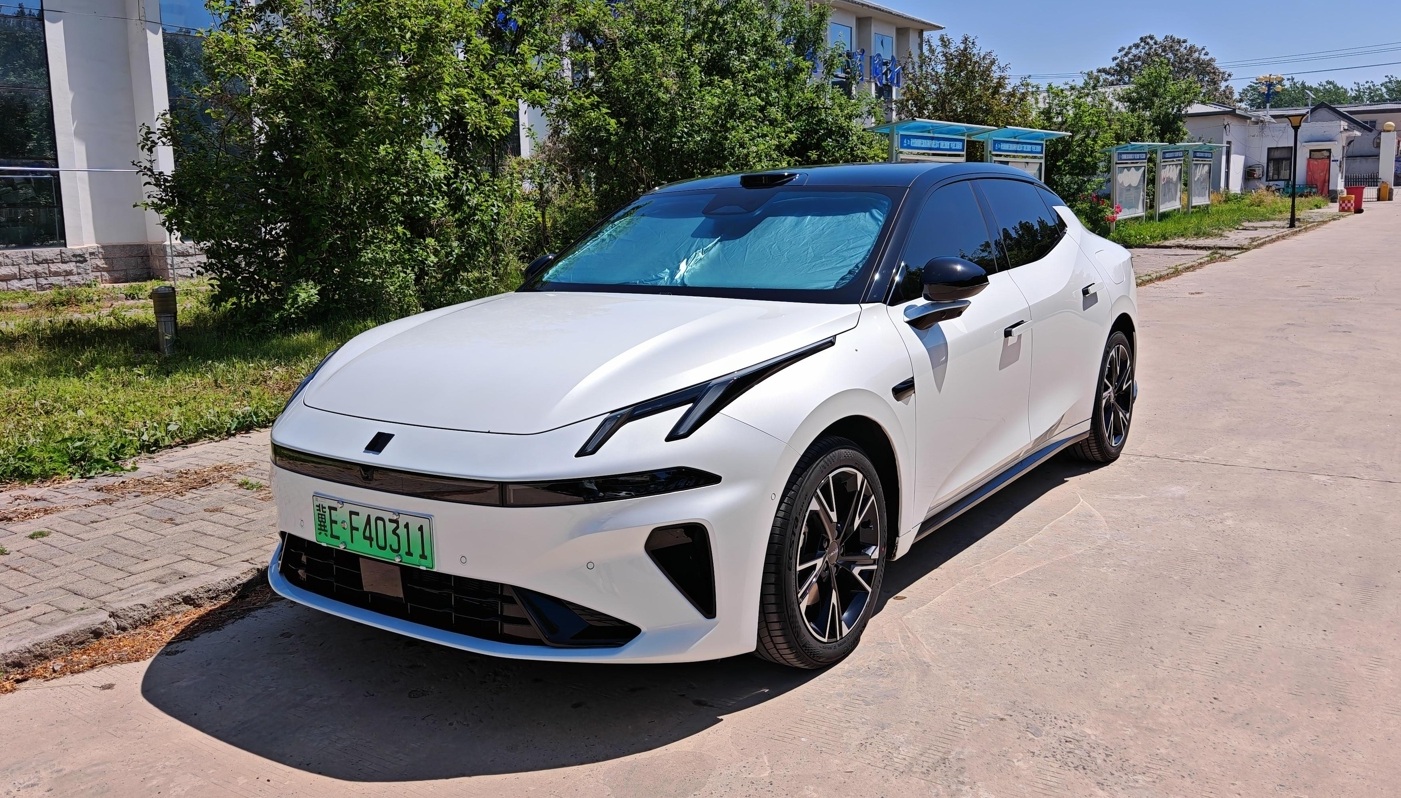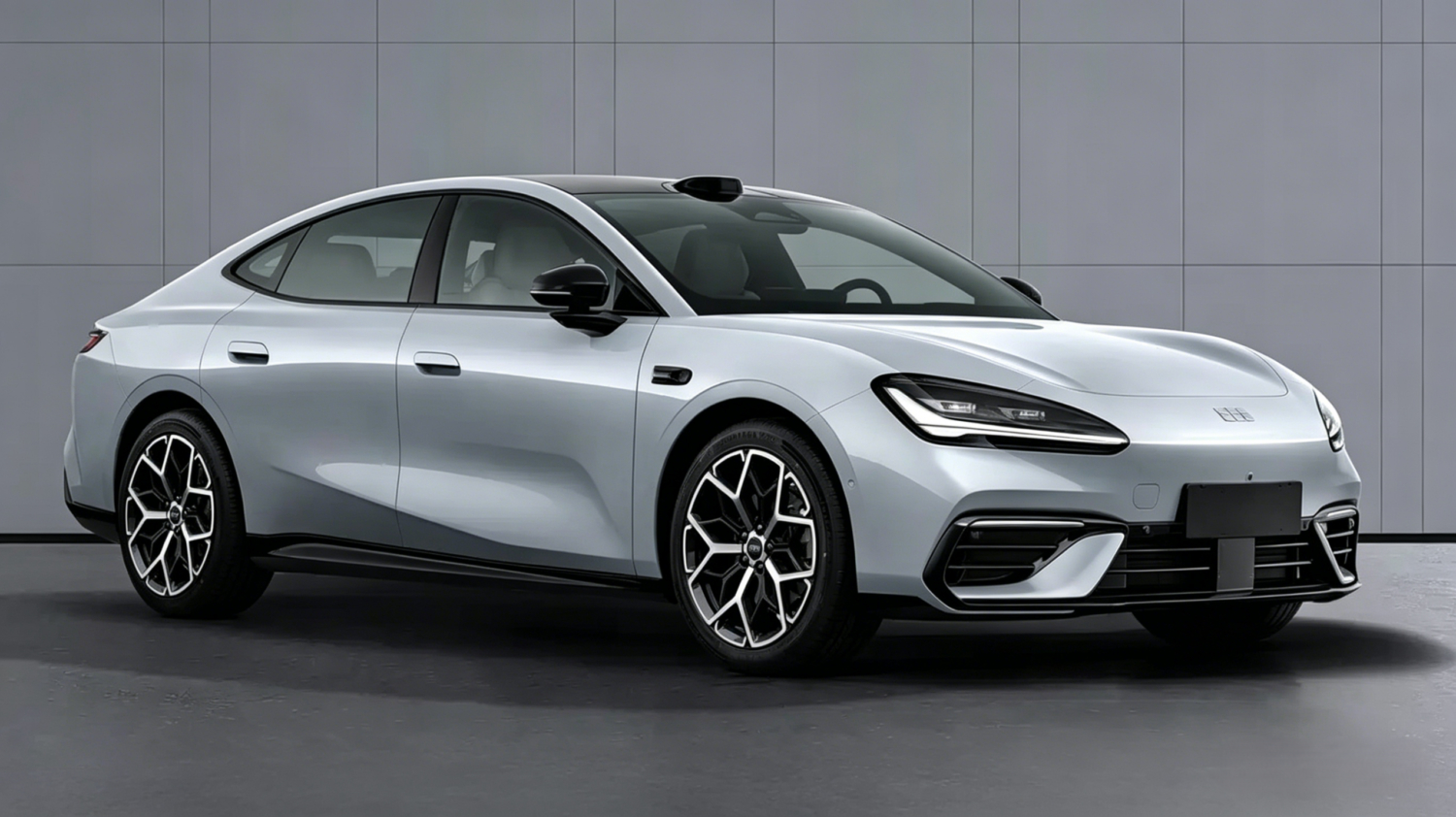


At the 2026 Beijing Auto Show, Geely Auto showcased the latest breakthroughs in its AI 2.0 and Safety 2.0 technology systems, headlined by the world premiere of China’s first natively developed Robotaxi prototype, officially named the Eva Cab. Alongside this milestone, Geely also presented the Xingyue L i-HEV and Xingrui i-HEV models.
The debut of the Eva Cab marks a significant leap for Geely in the field of L4 autonomous driving. At its core, the vehicle is powered by the Step3.5 large-scale model with 196 billion parameters and the H9 high-end computing platform delivering 1400 TOPS of performance. With an inference speed of 350 TPS, the system makes decisions three times faster than a human driver. It can handle 99% of daily travel scenarios, including complex tasks like navigating manual toll booths and “hallucinating” paths on unlined rural roads. This is made possible by the WAM (World Action Model), which upgrades the traditional “perception-decision” loop into a closed-loop system capable of macro-planning and micro-deduction, allowing the car to “think” and “judge” like an experienced driver.
In terms of hardware, the Eva Cab is equipped with 43 perception units, including LiDAR and high-definition cameras, creating a triple-layered 360-degree perception network. This setup captures the surrounding environment with zero blind spots, accurately identifying pedestrians, vehicles, and obstacles to effectively mitigate risks. A key performance metric is its 95% success rate in multi-point U-turns in complex scenarios, demonstrating its human-like driving capabilities.
Design-wise, the prototype completely reimagines the cabin by removing the steering wheel and traditional controls. The entire interior is dedicated to passenger comfort and interaction, achieving maximum system integration where hardware and software work in deep synergy. Furthermore, the vehicle incorporates Geely’s AI digital chassis technology, boasting a response time of just 4 milliseconds—25 times faster than human limits. This ensures “active hazard avoidance” to keep passengers safe. The production version, deeply customized for Cao Cao Mobility, is slated for mass production and commercial operation in 2027.
Your daily pit stop for Chinese EV news, tech, and trends.