
Get ready for a game-changer in the world of electric vehicles. The Seres Saidou Crossover isn’t just another EV; it’s a bold statement from China’s automotive scene, powered by one of the biggest names in tech. That’s right, Seres has teamed up with ByteDance—yes, the folks behind TikTok—to create a car that’s as much about smart tech as it is about driving. This isn’t just a new model; it’s a glimpse into the future of mobility for a generation that thrives on connectivity.
For anyone keeping tabs on the EV market, this is a launch you can’t ignore. Let’s dive in.
What is the Seres Saidou Crossover?
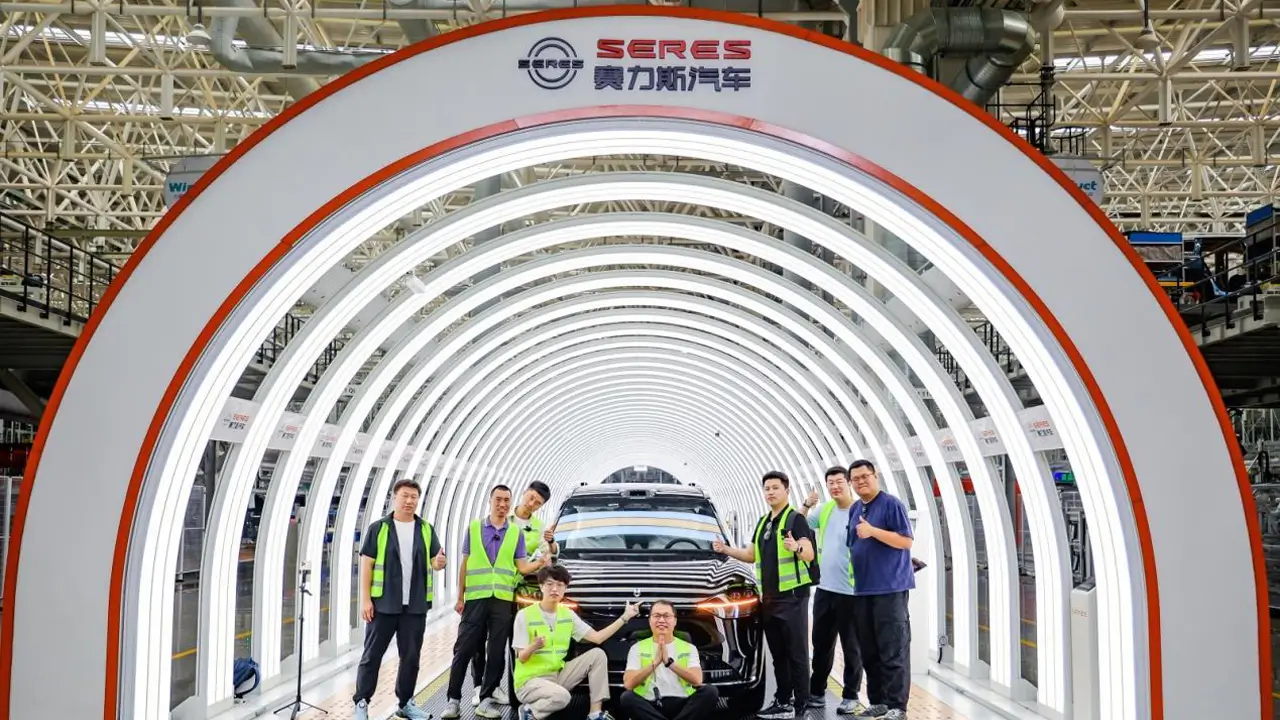
The Saidou is a new sub-brand from Seres Group, the Chongqing-based automaker known for its collaboration with Huawei on the AITO series. With Saidou, Seres is shifting gears, targeting a younger audience—specifically Gen Z and millennials. These buyers crave digital connectivity and personalization, and the name “Saidou” (赛道) means “racetrack” in Chinese, hinting at the sporty vibe they’re aiming for.
Instead of positioning itself as a luxury SUV, the Saidou aims to be the smartphone on wheels. Think compact-to-midsize crossover, competing in a tight market full of budget-conscious tech enthusiasts.
ByteDance’s Game Plan
What sets the Saidou apart is its partnership with ByteDance. When news broke that ByteDance was stepping into the automotive realm, it raised eyebrows. The company isn’t building cars; it’s injecting its AI expertise into the cabin experience. The approach here is clear: make the in-car experience as smart and engaging as the apps people already use.
This partnership is a departure from the Seres-Huawei model, which focused on luxury and advanced driver assistance. Here, the goal is to create a lifestyle-driven vehicle, emphasizing content and AI-driven personalization.
Seres gets a powerful AI platform, while ByteDance gains a physical presence to showcase its tech beyond smartphones. This isn’t an afterthought; it’s an AI-first strategy.
Key Metrics
| Metric | Value | Notes |
|---|---|---|
| Expected Price | ¥120,000–150,000 | Approx. $16,500–$20,700 USD |
| Estimated Range (BEV) | 500–600 km | On CLTC cycle |
| Powertrain Options | BEV & EREV | Electric and extended-range configurations |
The interior tech is where it gets exciting. Powered by Volcengine—ByteDance’s cloud and AI platform—the cockpit is designed for intelligent interaction, allowing for voice, gesture, and contextual inputs to work together. This system learns from your habits, tracking your music choices and preferred navigation routes to streamline your experience over time.
What’s more, the Saidou will seamlessly integrate with ByteDance’s ecosystem, including Douyin and Toutiao, making it a natural fit for users already immersed in those platforms.
Powertrain Flexibility
Seres is smart to offer both BEV and EREV configurations. This approach caters to a diverse range of buyers, especially in a country where charging infrastructure varies widely. The BEV model suits urban drivers with reliable charging access, while the EREV version alleviates range anxiety with a small petrol generator for extended trips.
Both versions will feature the same AI-powered cockpit, ensuring that buyers don’t have to compromise on technology, regardless of their powertrain choice.
A Design That Speaks to Youth
Although full specs weren’t released at the time of writing, the design hints at a modern, sporty aesthetic that appeals to younger buyers. Expect clean lines and an exterior that fits perfectly in an urban setting, signaling performance even at a standstill.
Inside, the cockpit is set to resemble a premium tech product. Large screens, minimal controls, and ambient lighting will create an inviting space. The AI isn’t an afterthought; it’s central to the experience.
In a world where social media reigns, the Saidou is built for sharing. Its design and tech features are made to look good on camera, catering to the content-driven lifestyle of its target demographic.
Competitive Pricing
With an expected launch price between ¥120,000 and ¥150,000, the Saidou finds itself in a sweet spot. It’s above the entry-level EVs, which often compromise on quality, but below the premium models from brands like NIO. This pricing strategy targets young professionals looking for a first car or an upgrade.
The unique software identity gives the Saidou an edge over competitors. No other car in this price range offers a ByteDance-powered cockpit, which could make a significant difference for buyers already entrenched in ByteDance’s digital ecosystem.
Pros and Cons to Consider
Let’s break down what works and what doesn’t:
Pros:
- Unique AI cockpit powered by ByteDance, offering deep content integration.
- Flexible powertrain options cater to a wide range of buyers.
- Competitive pricing that offers genuine value.
Cons:
- No established track record for the Saidou brand.
- Incomplete technical specifications raise questions about performance and range.
- Intense competition from established players in the market.
The buzz around the Saidou is palpable, especially among younger audiences who are already fans of ByteDance. Social media is alive with discussions about how the integration with Douyin and Toutiao will play out in real life.
On a broader scale, the Saidou signals that China’s AI companies are serious about leveraging automotive platforms for user engagement. But several questions remain: How well will the AI perform in real-world conditions? How will the system adapt for users in less connected areas? And can ByteDance maintain a meaningful role post-launch?
As for international sales, it’s still unclear. While Seres has ambitions abroad, the focus remains on the Chinese market for now.
In short, the Seres Saidou Crossover is shaping up to be a significant player in the smart EV market. It’s not about being the fastest or the most luxurious; it’s about being the most connected vehicle out there. The vision is ambitious, the partnership is strong, and the timing is right as AI continues to redefine what we expect from our cars.
Keep an eye on this one—this is just the beginning.
For more insights on the evolving Chinese EV market, check out articles on the Smart #2 Electric Vehicle and the latest on Seres’ new EV brand.